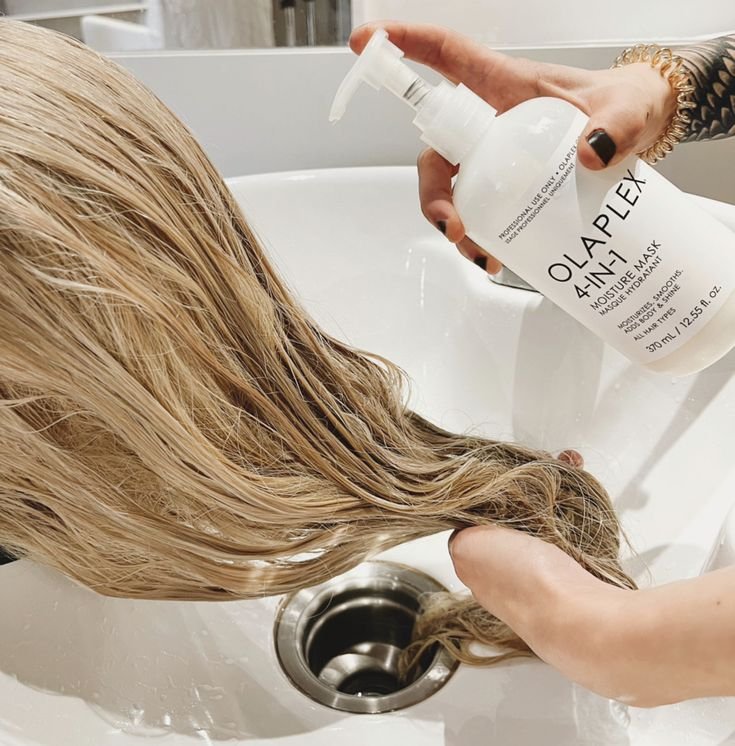
Olaplex treatment NYC salon has become one of the most searched solutions for repairing damaged hair, especially in cities where styling, coloring, and heat exposure are part of everyday beauty routines. But with so many bond-building treatments now available, how do you know which option is truly right for your hair?
In this guide, we’ll break down the differences between Olaplex and other bond-building treatments, how they work, and which one delivers the best results depending on your hair type and goals.
Bond-building treatments are advanced hair care solutions designed to repair broken disulfide bonds within the hair structure. These bonds are essential for maintaining hair strength, elasticity, and overall health. When hair is exposed to bleaching, coloring, heat styling, or environmental stress, these bonds break down—leading to dryness, frizz, and breakage.
Unlike traditional conditioners that only coat the hair, bond-builders work internally to restore structure. This makes them especially popular in professional salons and among clients looking for long-term repair rather than temporary softness.
Olaplex is one of the pioneers in bond-building technology. Its patented formula works by reconnecting broken disulfide bonds caused by chemical, thermal, and mechanical damage.
What sets Olaplex apart is its ability to be used both during and after chemical services. For example, when added to bleach or color, it helps minimize damage during the process itself. As a standalone treatment, it continues to strengthen and rebuild the hair over time.
Clients searching for Olaplex treatment NYC salon services often choose it because of its proven track record, especially for heavily processed or color-treated hair.
How Do Other Bond-Building Treatments Compare?
While Olaplex is well-known, many modern salons now offer alternative bond-building systems. These include treatments that combine protein, moisture, and bond repair in one service.
- Technology: Not all bond-builders use the same chemistry. Some rely on protein reinforcement, while others mimic Olaplex’s bond-linking approach.
- Customization: Newer treatments often allow stylists to tailor formulas based on hair type, damage level, and desired results.
- Finish: Some alternatives focus more on shine and softness, while Olaplex prioritizes structural repair.
Technology: Not all bond-builders use the same chemistry. Some rely on protein reinforcement, while others mimic Olaplex’s bond-linking approach.
Customization: Newer treatments often allow stylists to tailor formulas based on hair type, damage level, and desired results.
Finish: Some alternatives focus more on shine and softness, while Olaplex prioritizes structural repair.
The choice often comes down to your specific hair needs rather than brand popularity.
Which Treatment Is Best for Your Hair Type?
If your hair has been heavily lightened or chemically treated, Olaplex is often the safest and most reliable choice. Its deep bond-repair system helps restore strength from within.
If your main concern is dryness rather than structural damage, a hybrid bond-building treatment that includes moisture and smoothing agents may be more suitable.
Some bond-builders can feel heavy on fine hair. In this case, lightweight formulas or customized salon treatments are ideal to avoid weighing the hair down.
Curly hair benefits from both bond repair and hydration. A combination treatment that strengthens while maintaining moisture balance often delivers the best results.
While at-home products are convenient, they cannot fully replace professional-grade treatments. In-salon services use higher concentrations and are applied with expert precision.
At a premium salon like The Salon Project by Joel Warren, treatments are not one-size-fits-all. Instead, stylists evaluate your hair condition, history, and goals before recommending the most effective solution—whether it’s Olaplex or an alternative bond-building system.
This personalized approach ensures better, longer-lasting results compared to DIY treatments.
Choosing between Olaplex and other bond-builders isn’t always straightforward. Many clients assume Olaplex is always the best option, but that’s not necessarily true.
- The level of internal damage
- Hair porosity and elasticity
- Previous chemical treatments
- Desired styling outcome
At The Salon Project by Joel Warren, the focus is on delivering tailored solutions rather than following trends. This is especially important in a competitive beauty environment where hair health must be preserved while achieving modern styles.
- Your hair is severely damaged or over-processed
- You frequently bleach or lighten your hair
- You want long-term structural repair
- You need protection during chemical services
Your hair is severely damaged or over-processed
You frequently bleach or lighten your hair
You need protection during chemical services
Many clients searching for Olaplex treatment NYC salon services fall into these categories and benefit from its intensive repair capabilities.
Alternative bond-building treatments may be better if:
- Your hair needs both moisture and repair
- You want a softer, shinier finish immediately
- Your damage level is moderate rather than severe
- You prefer a more customized treatment experience
Your hair needs both moisture and repair
You want a softer, shinier finish immediately
Your damage level is moderate rather than severe
You prefer a more customized treatment experience
Modern salons often combine multiple technologies to achieve optimal results, rather than relying on a single system.
Both Olaplex and other bond-building treatments offer powerful solutions for damaged hair, but the right choice depends on your individual needs. Olaplex remains a gold standard for deep repair, while newer treatments provide flexibility and customization.
The key is not just the product—but the expertise behind it. A professional consultation at a trusted salon like The Salon Project by Joel Warren ensures that your hair receives exactly what it needs to look and feel its best.
Whether you choose Olaplex or another advanced treatment, investing in bond repair is one of the smartest decisions you can make for long-term hair health.