

Cutting and Blending Hair Extensions: The Ultimate Guide to Seamless
Cutting and blending hair extensions is a crucial step in achieving a flawless finish. Cutting and blending hair extensions in the right way can transform even the best extensions from simply “added hair” to a seamless enhancement that looks and moves like your own. In this comprehensive guide, you will learn how to create a natural blend, essential techniques, and why choosing expert stylists—especially at The Salon Project by Joel Warren—can elevate your look to perfection.

Understanding the Importance of Proper Cutting and Blending
The beauty of hair extensions does not lie only in their quality but in how well they are shaped, textured, and blended. Cutting and blending ensures the added hair meshes with your natural length, density, and movement. Without this step, extensions may appear bulky, uneven, or noticeably separate from your own hair.
Choosing the Right Extensions Before Cutting
Before any cutting can begin, selecting the right type of extensions is essential. Whether you prefer tape-ins, keratin bonds, sew-ins, or clip-ins, each method requires a different approach when shaping. Matching texture, color, and density sets the foundation for a flawless blend. Thin natural hair may need feathered layering, while thicker hair benefits from weight removal and structured shaping.
The Art of Creating Seamless Layers
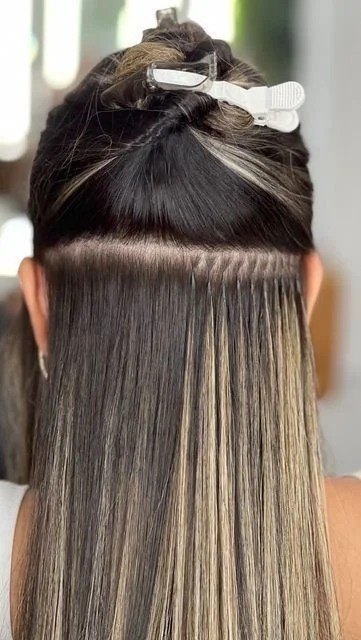
Professional stylists typically start blending by creating layers that mimic natural hair movement. Extensions should not sit as one uniform length; instead, layers help transition from short to long strands effortlessly. Point-cutting, slide-cutting, and dry-cutting are among the most effective techniques used to soften extension ends and remove bulk.
Blending Techniques for Natural Movement
To blend extensions with natural hair, stylists focus on:
Texturizing: Softens lines and creates fluid movement.
Thinning in strategic areas: Prevents heaviness near the bottom.
Connecting the natural hair: Ensures no sharp distinction between real hair and extensions.
Face-framing cuts: Essential for a cohesive look around the front.
These methods ensure the final result feels organic and balanced.
Precision Matters: Why Experience Is Key
While some may attempt DIY blending, professional expertise remains unmatched. A skilled stylist understands how various extension methods behave when cut and how different textures respond to shaping. Incorrect cutting can damage extensions or create unwanted lines, reducing their lifespan and appearance.
Why The Salon Project by Joel Warren Sets the Standard
One of the best places to achieve perfect cutting and blending is The Salon Project by Joel Warren, known for its mastery in customization and modern hair techniques. Stylists at this salon specialize not only in installing extensions but in sculpting them to match each client’s natural hair identity.
Their approach focuses on precision dry-cutting, personalized layering, and seamless transitions. Whether your goal is added volume, length, or a complete transformation, the expertise at The Salon Project ensures the extensions feel like a natural extension of yourself.
Cutting Extensions for Different Hair Textures
Different hair types require unique approaches:
Fine Hair
Fine hair needs delicate blending with minimal weight at the ends. Soft layers help avoid sharp lines and promote natural flow.
Medium Hair
Medium hair allows for more flexibility in layering. Stylists often incorporate a mix of slide-cutting and texturizing for a fuller look.
Thick Hair
Thicker hair demands more internal thinning to prevent extensions from appearing too bulky. Blending is essential around the mid-shaft to create smooth transitions.
Perfecting Face-Framing and Perimeter Blending
The area around the face is the most noticeable and requires precise cutting. Face-framing pieces should match the direction and curvature of natural hair. The perimeter—the bottom edge of your hair—must also blend flawlessly to avoid a heavy or “blocky” finish.
Blending for Different Extension Lengths
The longer the extensions, the more important the layering. Extremely long extensions often require significant shaping at various levels to avoid a “stringy” or disconnected appearance. Shorter extensions blend more easily but still need shaping to enhance uniformity.
Maintaining the Blend Over Time
As natural hair grows, the blend may shift. Regular trims help maintain the shape and ensure the extensions continue to look natural. Stylists recommend returning every 6–8 weeks for maintenance, especially for semi-permanent methods. Washing and styling with care also contribute to keeping the blend soft and healthy.
Styling Tips for Enhanced Blending
Heat tools can help merge your natural hair with extensions:
Curling: Curls conceal lines and add dimension.
Soft waves: Ideal for disguising any difference in texture.
Smooth straightening: Achieves a sleek look when extensions match the natural hair texture perfectly.
Using lightweight products minimizes heaviness while maintaining smoothness and shine.
When to Replace or Refresh Extensions
Even the best extensions eventually show signs of wear. If they begin to tangle, lose shape, or separate from your natural hair, it may be time for replacement or repositioning. Maintaining the blend with periodic trimming prolongs the lifespan and enhances overall appearance.
Transform Your Look With Expert Blending
The final and most important step in any extension service is the blend. Without it, even premium extensions will look artificial. But with the right cut—tailored to your hair's texture, density, and style—the result is a seamless, luxurious finish.
The Salon Project by Joel Warren delivers exceptional artistry in extension cutting and blending, making it a top destination for anyone seeking a natural, breathtaking transformation. When handled by true professionals, your extensions will not only enhance your beauty but elevate your entire style.
