

Is Balayage Out of Style in 2025? Trends
Is balayage out of style in 2025? This question has become increasingly common among women seeking a modern yet timeless hair color technique. Is balayage out of style in 2025, or has it simply evolved to reflect new beauty standards, lifestyles, and fashion influences?
Balayage has long been associated with effortless beauty, natural dimension, and low-maintenance elegance. As trends shift rapidly in the beauty industry, it is natural to wonder whether this iconic coloring technique still holds its place in salons around the world. The answer is more nuanced than a simple yes or no, and it reveals how balayage continues to adapt rather than disappear.
Understanding What Balayage Really Is
Balayage is not merely a trend; it is a technique. Originating in France, the word “balayage” means “to sweep,” which perfectly describes the freehand method used by colorists to paint highlights onto the hair. Unlike traditional foiling, balayage creates soft transitions, natural lightness, and a sun-kissed effect that grows out gracefully.
Because balayage is a technique rather than a fixed style, it allows endless customization. This adaptability is the primary reason it has remained relevant for so many years and continues to thrive in 2025.
Why Some People Think Balayage Is Fading
The perception that balayage might be out of style stems from the rise of new hair color trends. Techniques such as color melting, lived-in blondes, luxury brunettes, and high-contrast highlights have gained attention on social media. However, many of these looks are actually modern interpretations or extensions of balayage itself.
In 2025, clients are more educated and selective. They seek personalization rather than copying a single viral look. As a result, the classic, high-contrast balayage of the past has softened, making room for subtler, more refined versions that align with current tastes.
How Balayage Has Evolved in 2025
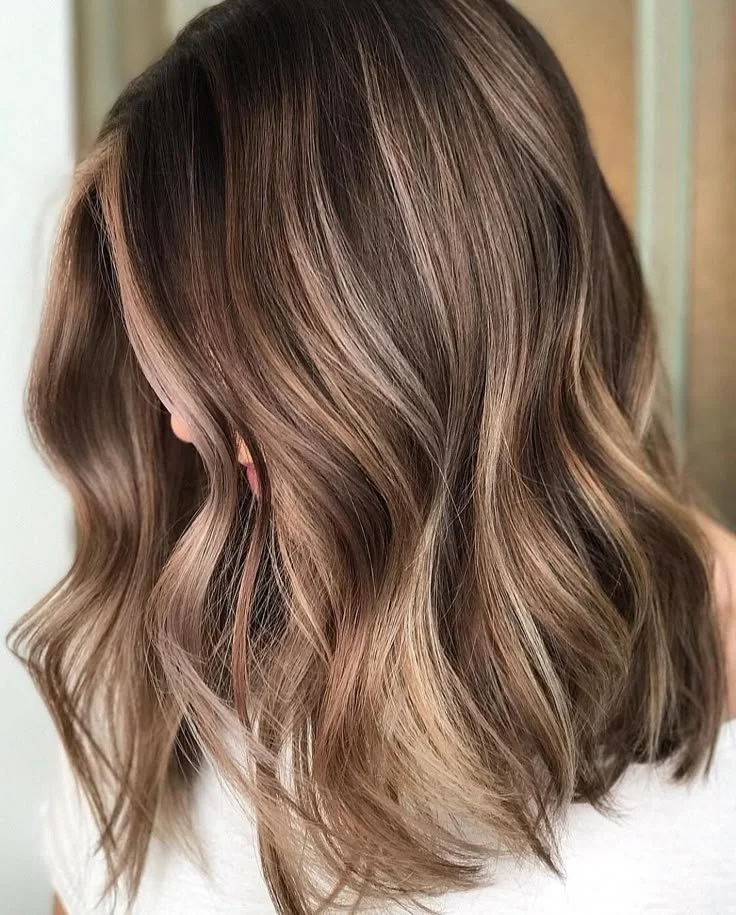
Rather than disappearing, balayage has matured. In 2025, the focus is on precision, hair health, and seamless blending. Colorists are combining balayage with advanced toning techniques, glosses, and bond-building treatments to achieve luminous results without compromising hair integrity.
Modern balayage emphasizes:
Softer transitions with no harsh lines
Customized placement based on face shape and lifestyle
Rich, dimensional tones rather than extreme lightness
This evolution ensures that balayage feels contemporary, elegant, and suitable for a wide range of ages and personal styles.
The Influence of Low-Maintenance Beauty
One of the strongest reasons balayage remains relevant in 2025 is the growing demand for low-maintenance beauty. Women today balance busy careers, family life, and personal commitments. Balayage offers a polished look that does not require constant salon visits.
Because it grows out naturally without obvious regrowth lines, balayage aligns perfectly with the modern preference for effortless sophistication. This practical advantage keeps it in high demand, especially among professionals and travelers.
Celebrity and Fashion Industry Impact
In 2025, celebrities and fashion icons continue to favor natural-looking hair with depth and movement. Red carpet looks now prioritize healthy shine, subtle contrast, and wearable color. Balayage, when executed correctly, delivers all of these qualities.
Fashion trends have also shifted toward understated luxury. Just as clothing emphasizes clean lines and high-quality fabrics, hair color reflects refinement rather than excess. Balayage fits seamlessly into this aesthetic, reinforcing its ongoing relevance.
Balayage at The Salon Project by Joel Warren
At The Salon Project by Joel Warren, balayage is treated as an art form rather than a routine service. The salon’s philosophy centers on customization, education, and long-term hair health. Instead of applying a one-size-fits-all approach, expert colorists design balayage placements that enhance each client’s features and natural hair movement.
In 2025, The Salon Project by Joel Warren continues to redefine balayage by integrating cutting-edge color science with a deep understanding of modern style. Clients receive results that feel current, luxurious, and uniquely their own, proving that balayage is far from outdated when performed at the highest level.
Is Balayage Still Right for Everyone?
While balayage remains popular, it is not the only option available. Some clients prefer bold, high-contrast looks or uniform color from root to tip. Others may choose micro-highlights or single-process shades for a more dramatic transformation.
However, balayage remains one of the most versatile techniques available. It works beautifully on straight, wavy, and curly hair, and it can be adapted for blondes, brunettes, redheads, and even fashion colors. This flexibility ensures its continued appeal across diverse preferences.
The Role of Personalization in 2025 Hair Trends
Personalization defines beauty trends in 2025. Clients no longer ask for a specific technique; they ask for results that suit their lifestyle, skin tone, and identity. Balayage supports this shift by allowing colorists to tailor each application.
When combined with professional consultation, balayage becomes a tool for self-expression rather than a passing trend. This personalized approach is one of the main reasons leading salons continue to recommend it.
Final Verdict: Is Balayage Out of Style in 2025?
Balayage is not out of style in 2025. Instead, it has transformed to meet the demands of a more refined, informed, and quality-driven audience. The exaggerated balayage looks of the past may have softened, but the technique itself remains foundational in modern hair coloring.
In the hands of skilled professionals, such as those at The Salon Project by Joel Warren, balayage continues to represent elegance, versatility, and timeless beauty. Rather than fading away, it has secured its place as a classic technique that evolves with each generation.
For anyone seeking natural dimension, effortless maintenance, and contemporary sophistication, balayage in 2025 is not just relevant—it is more refined than ever.
