

Ultimate Guide to Low Porosity Hair Care: Tips and Techniques for Healthy Hair
Low porosity hair care requires understanding your hair's unique structure and needs. If you have low porosity hair, it means your hair cuticles are tightly packed, making it difficult for moisture and oils to penetrate. Proper low porosity hair care routines can transform your hair, leaving it soft, manageable, and full of life. In this guide, we will explore essential tips, techniques, and professional advice to help you master low porosity hair care, with insights from The Salon Project by Joel Warren.

Understanding Low Porosity Hair
Low porosity hair is characterized by tightly closed cuticles, which can repel water and hair products. While this type of hair often looks healthy and shiny naturally, it can be prone to product buildup and dryness because moisture struggles to enter the hair shaft. Identifying your hair’s porosity is the first step in building a proper low porosity hair care routine.
Some signs of low porosity hair include hair that takes a long time to dry, resists absorbing oils or conditioners, and often feels stiff or waxy. Recognizing these traits helps you choose the right products and treatments that work with your hair rather than against it.
Key Principles of Low Porosity Hair Care
Proper low porosity hair care focuses on moisture retention, gentle cleansing, and effective product absorption. Since water penetration is difficult, heat can be used strategically to help open the cuticles. Warm water and steamed treatments can enhance your hair’s ability to absorb hydrating products.
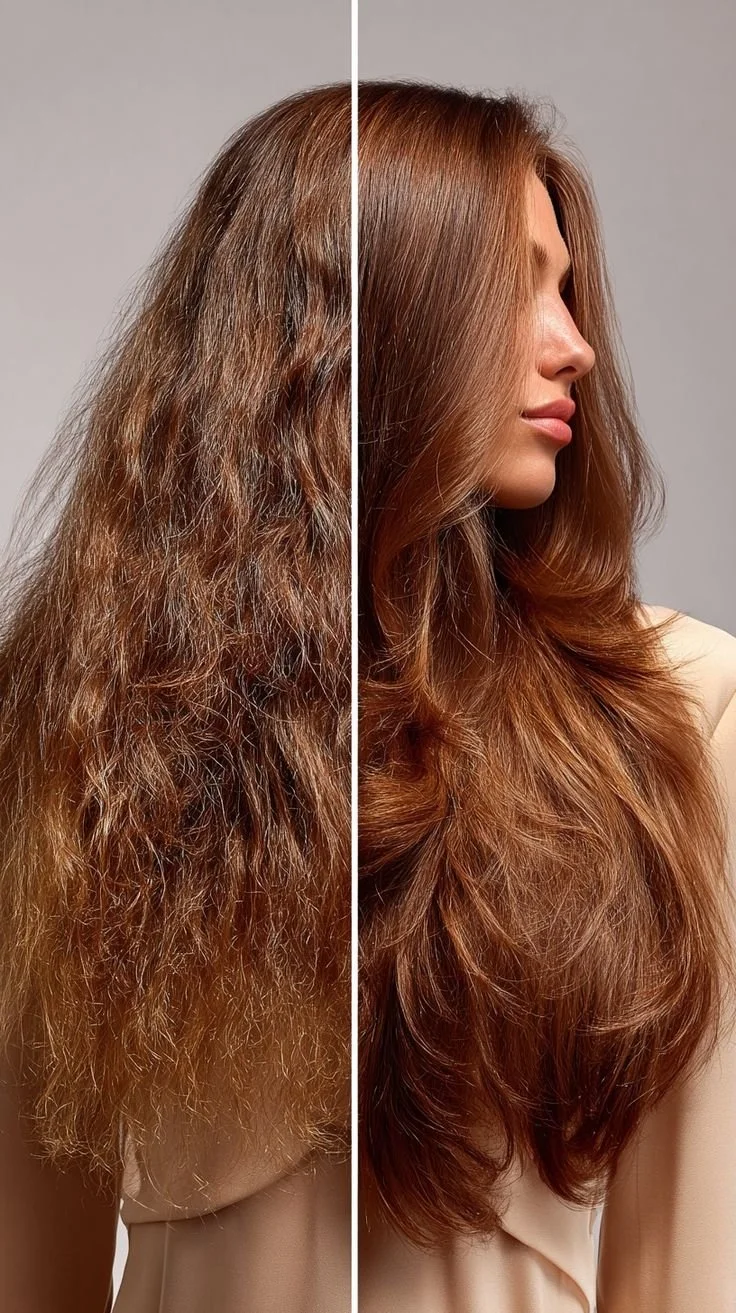
Lightweight, water-based products are ideal, as heavy oils and butters tend to sit on the hair surface rather than moisturizing it. Leave-in conditioners, protein treatments in moderation, and humectants like glycerin are highly effective for maintaining softness and elasticity in low porosity hair.
Moisturizing Techniques for Low Porosity Hair
Hydration is critical in low porosity hair care. One effective method is the “warm water rinse” technique, which involves rinsing hair with slightly warm water before applying conditioner. This gently opens the cuticles and allows better absorption of moisture.
Deep conditioning is another essential practice. For best results, use a deep conditioner once a week and apply heat through a warm towel wrap or a steamer. This method ensures that your hair receives the hydration it needs without product buildup.
Avoiding Product Build-Up
Low porosity hair is prone to buildup due to its resistant cuticles. Clarifying shampoos, used once every two weeks, help remove residue without stripping natural oils. Avoid heavy creams and butters unless they are specifically formulated for low porosity hair. Instead, choose lightweight oils such as argan, jojoba, or grapeseed oil to seal in moisture without overwhelming your strands.
Styling Tips for Low Porosity Hair
When styling low porosity hair, minimal heat is best. Heat styling can sometimes temporarily lift cuticles, making styling easier, but excessive heat can lead to damage. Protective styles, such as braids, twists, or buns, help maintain moisture and reduce breakage.
Daily maintenance is crucial. Spritzing with water mixed with a light leave-in conditioner or aloe vera juice can keep hair hydrated throughout the day. Always ensure hair is fully detangled before applying products to prevent unnecessary breakage.
Professional Treatments at The Salon Project by Joel Warren
For those seeking professional care, The Salon Project by Joel Warren offers treatments tailored to low porosity hair. Stylists at the salon understand the delicate balance of hydration, protein, and oil absorption required for low porosity hair. Treatments such as hydrating deep conditioners, steam therapy, and light protein treatments are designed to enhance natural shine and manageability.
Additionally, The Salon Project by Joel Warren provides consultations for selecting the best products for at-home care, ensuring your routine supports healthy hair growth and optimal hydration.
Common Mistakes in Low Porosity Hair Care
Many make the mistake of using heavy oils or over-proteinizing their hair. Both can lead to dullness and stiffness. Overuse of silicones in products can also trap residue, making it harder for moisture to penetrate. Understanding your hair’s porosity and observing how it reacts to different products is essential for avoiding these pitfalls.
Building a Routine for Low Porosity Hair
A structured routine is key in low porosity hair care. Begin with gentle cleansing once or twice a week, followed by a moisturizing deep conditioner with heat application. After rinsing, apply a lightweight leave-in conditioner and seal with a small amount of light oil. Protective styling can follow, depending on your daily schedule and lifestyle.
Weekly or bi-weekly treatments at a professional salon like The Salon Project by Joel Warren can greatly enhance your results, providing expert guidance and professional products that are difficult to replicate at home.
Conclusion
Caring for low porosity hair requires patience, knowledge, and a strategic approach. With the right techniques—such as gentle cleansing, heat-assisted deep conditioning, and light product application—you can maintain healthy, hydrated, and manageable hair. Professional support from salons like The Salon Project by Joel Warren ensures your hair receives expert care and tailored treatments, elevating your low porosity hair care routine to new levels of effectiveness.
By understanding your hair’s unique needs and combining professional and at-home practices, low porosity hair can thrive with shine, softness, and resilience. Implement these tips and create a routine that enhances your natural beauty while protecting your strands for long-term health.
