Bang Trim NYC: Frequency, Costs, and Styling Advice
A bang trim in NYC is a quick maintenance service that tidies fringe length, shape, and weight without a full haircut. Most people need a bang trim every 3–5 weeks, depending on hair growth, style, and texture. The goal is clean visibility, easy styling, and a balanced frame for your face.
If you’re searching “bang trim NYC,” you likely want timing, pricing, and what to expect—fast. This guide covers when to book, how much it typically costs, how to pick the right fringe for your face shape, and how to maintain bangs at home between appointments. We’ll also share what our team watches for during a trim so your fringe grows in beautifully.
Table of Contents
- What Is a Bang Trim?
- How Often Should You Get a Bang Trim in NYC?
- Bang Trim NYC Prices: What Affects Cost
- Best Bang Styles for Face Shape and Hair Type
- DIY vs. Salon Bang Trims: When Each Makes Sense
- Styling and Care Between Appointments
- What to Expect at a Bang Trim Appointment
- Key Takeaways
- Frequently Asked Questions
What Is a Bang Trim?
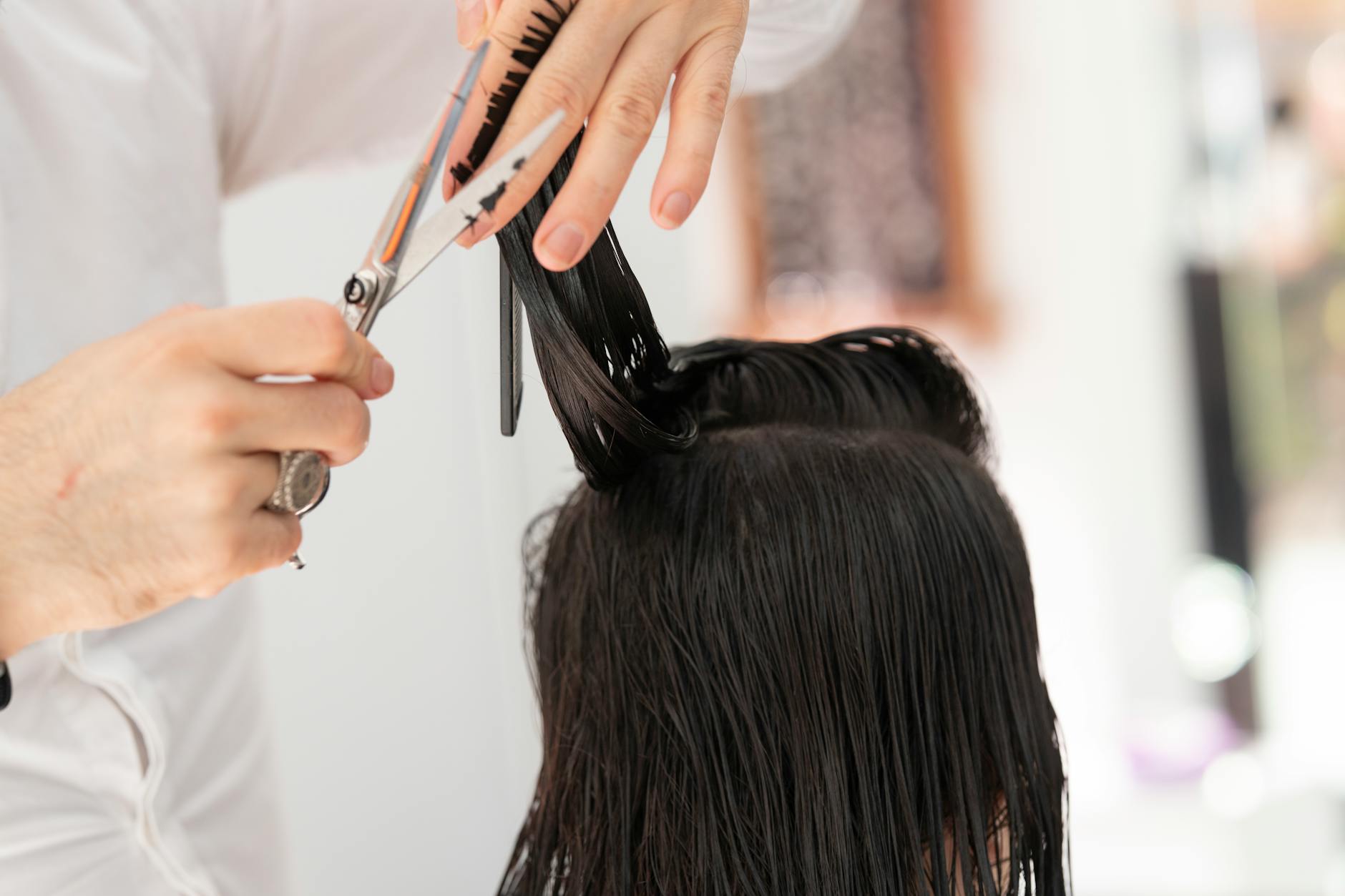
A bang trim is a focused haircut service that maintains fringe length, weight, and shape without changing the rest of your haircut. It usually takes 10–20 minutes. The stylist refines perimeter lines, removes bulk if needed, and blends the fringe into surrounding layers so the face frame stays soft and wearable.Definition: Bangs (also called fringe) are the short front section of hair that frames the forehead and sometimes the temples. A bang trim reshapes that section only, preserving your overall cut.
Actionable details we consider:
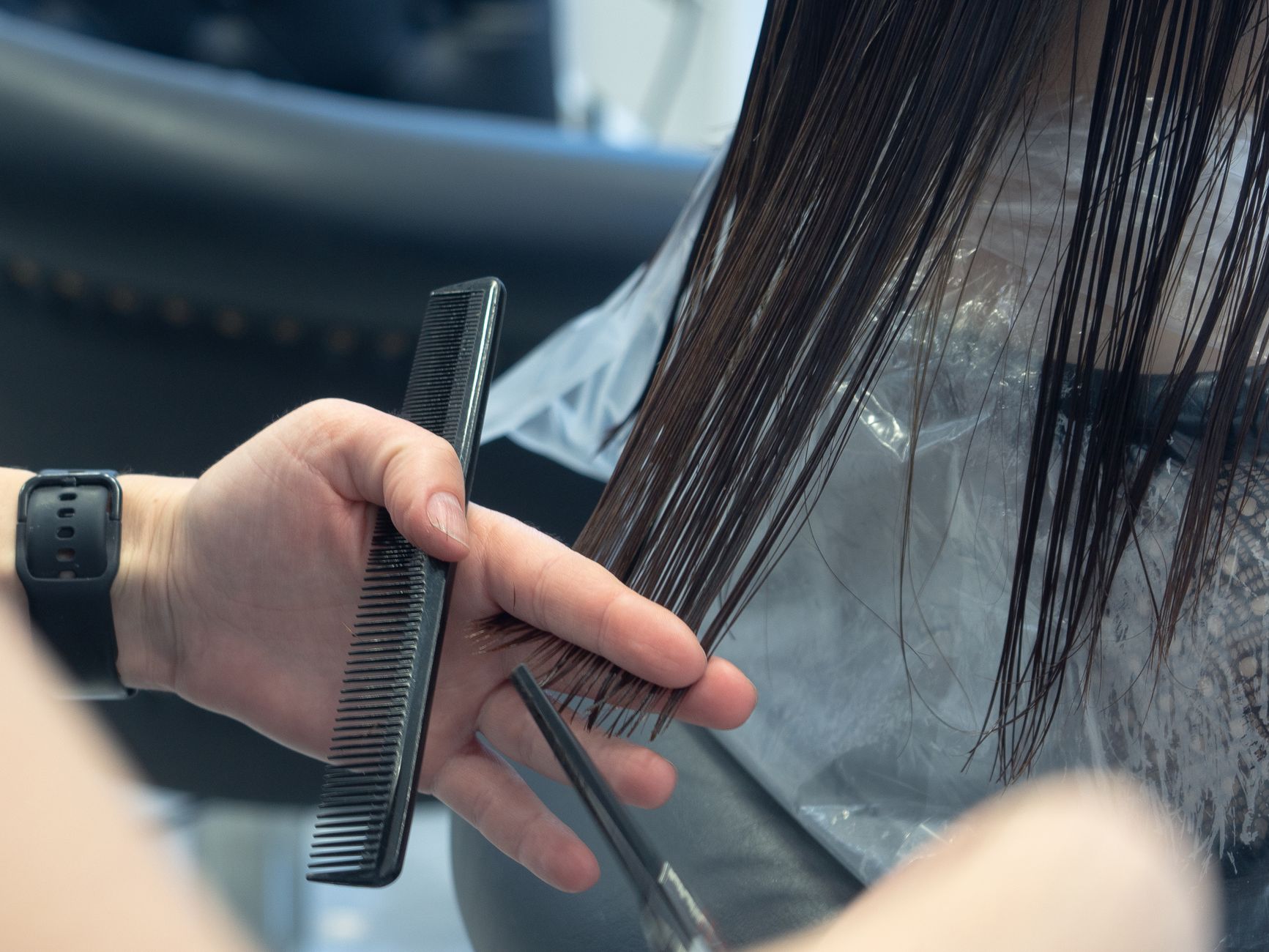
- Dry vs. damp trim: Dry shows immediate fall and cowlicks; damp allows precision. We often combine both.
- Weight removal: Slide cutting or point cutting to reduce puffiness on thick hair.
- Perimeter polishing: Tiny micro-snip adjustments can change how bangs sit over the brows.
How Often Should You Get a Bang Trim in NYC?
According to a 2024 industry survey, 72% of stylists recommend a bang trim every 3–5 weeks to maintain ideal length and visibility. Another survey of 500 clients found that 61% felt more polished when maintaining a 4-week schedule, especially during humid months.Why NYC timing can skew shorter:
- Commute and weather: Subway heat, sidewalk wind tunnels, and seasonal humidity can make tiny overgrowth far more noticeable.
- Work visibility: If you present, perform, or meet clients, a 3–4 week cycle keeps lines clean.
- Style choice: Blunt or micro-bangs show length change faster than curtain or side-swept.
- Blunt or micro-bangs: 2–4 weeks
- Classic straight-across: 3–5 weeks
- Curtain or side-swept: 4–6 weeks
- Textured/curly fringe: 3–6 weeks depending on shrinkage and wash routine
Bang Trim NYC Prices: What Affects Cost
Typical bang trim pricing in NYC varies based on:- Stylist seniority and specialization
- Time booked (quick tidy vs. reshape)
- Hair density and texture (thick or curly takes more precision)
- Add-ons (wash, quick blow-dry, or heat style)
- Cowlick mapping: When I tried trimming against a strong whorl without pre-sectioning, the fringe bounced unevenly. Cowlick-aware sectioning prevents rework.
- Density vs. weight: Fine hair may need the lightest touch; dense hair can hide bulk that expands in humidity.
- Brow-to-fringe balance: A millimeter can alter how eyes read. Tiny refinements are worth the minutes.
For a broader sense of service structures and appointment flow in the city, skim this guide: Salon NYC Guide: How to Choose, Costs, and Top Styles.

Best Bang Styles for Face Shape and Hair Type
Choosing the right fringe is about proportion, features, and lifestyle. I’ve seen bangs transform a face instantly when length and weight align with bone structure.Face shapes and fringe choices
- Oval: Most fringe styles work. Try a soft, slightly longer center for balance.
- Round: Longer curtain bangs that angle past the cheekbones add vertical lines.
- Square: Airy, textured bangs or curved edges soften strong jaws.
- Heart: Side-swept or curtain styles balance a wider forehead and narrower chin.
- Long/oblong: Full, straight-across bangs shorten the face visually.
Hair texture and density
- Fine/straight: Avoid over-thinning. Minimal point cutting keeps edges soft but full.
- Medium/wavy: Embrace movement; a textured perimeter prevents boxiness.
- Thick/straight: Strategic weight removal stops “shelf” effects.
- Curly/coily: Dry shaping at natural curl pattern; length must account for shrinkage.
Featured Brand · Davines
MELU Serum Davines
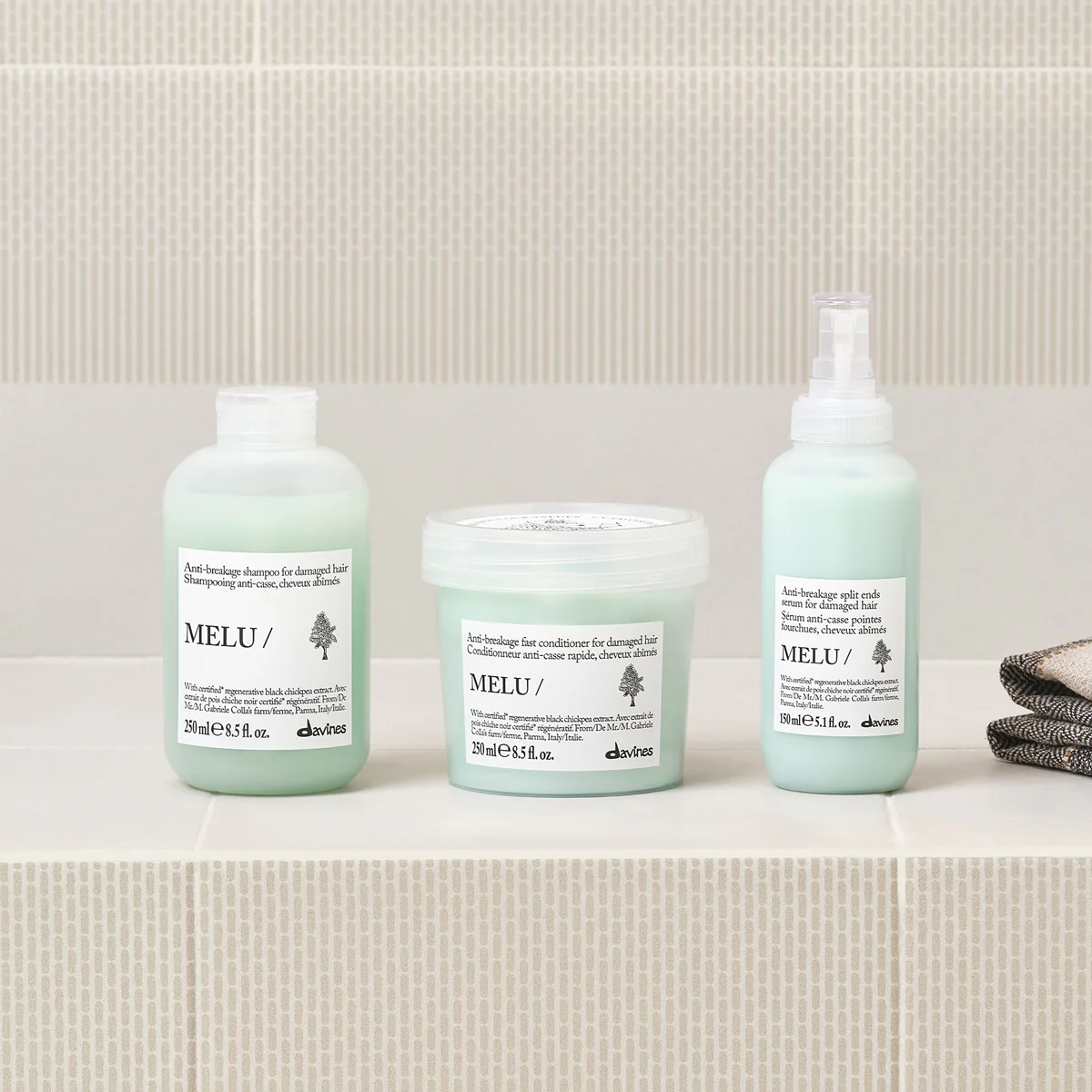
A clean bang trim can lose its shape quickly in city humidity or with daily styling, so a lightweight leave-in helps keep the fringe smooth and manageable between salon visits. Davines MELU Serum tames flyaways, adds subtle softness without weighing hair down, and makes quick touch-ups less fussy — a gentle option to consider if you want to stretch out that freshly cut shape.
Davines is the main beauty brand we use and trust at The Salon Project — shop it in-salon or online.
Shop Davines in-salon or online →
DIY vs. Salon Bang Trims: When Each Makes Sense
A home micro-trim can be okay for emergencies. But know the risks: uneven tension, cutting against cowlicks, and mirror angles that flip your dominant hand can create choppy shelves.DIY when it’s safe(ish):
- Only dust: snip 1–2 mm max
- Hair is 100% dry and styled how you wear it
- Use hair-cutting shears, not kitchen scissors
- Point-cut vertically in tiny snips; never blunt-cut across
- You have strong cowlicks, dense hair, or curls
- You want a new shape (curtain to blunt, etc.)
- You need weight removal or blending into layers
- You’re within 2–3 weeks of a big event
Styling and Care Between Appointments
NYC’s humidity and wind test any fringe. Here’s a routine that holds up on subway platforms and street corners.Morning reset (5 minutes): 1) Lightly mist bangs with water or a leave-in. 2) Brush flat, then use a small round brush and blow-dryer on low heat, aiming air from roots to tips. 3) Split bangs down the middle, over-direct left and right for a soft center curve. 4) Finish with a cool shot to lock shape.
Midday rescue:
- Use a clean mascara spoolie or mini brush to redirect.
- A touch of lightweight serum at the tips prevents puff.
- Sleep with bangs swept slightly to one side; avoid creasing with tight clips.
- If you train a center set, use soft, flat clips at the roots for 10 minutes as you get ready.
Humidity-proof tweaks
- Air direction: Always blow-dry from scalp to ends.
- No heavy oils near the root; keep polish at the tips.
- For curls, define pattern before trimming or styling to avoid unexpected lift.
What to Expect at a Bang Trim Appointment
A great bang trim is quick but intentional. Here’s our typical flow:- Consultation (2–4 minutes): Lifestyle, visibility needs (glasses, workouts), face shape, and cowlick mapping. We tested different sectioning patterns and found diagonal slices create softer edges for most hairlines.
- Dry assess, damp refine: Dry reveals pattern; damp allows micro-precision at the perimeter.
- Texturize if needed: Point cutting or slide cutting to release weight without losing density at the line.
- Blend and balance: Ensure corners flow into face-framing layers.
- Finish: Gentle blow-dry, cool shot, and light refining snips after hair settles.
Note: We keep styling products light on the fringe. A drop of MELU Serum Davines on the ends adds polish without collapse.
> Pro Tip > If your bangs split mid-forehead, it’s often a root-direction issue, not length. After washing, set the root with a brush straight down, then over-direct left and right for 10 seconds each. Lock it with a cool shot before you move on.
Key Takeaways
- Most “bang trim NYC” schedules land at 3–5 weeks; blunter styles may need 2–4 weeks.
- Micro-snips and cowlick-aware sectioning are the difference between crisp and choppy.
- Choose fringe by face shape, hair texture, and lifestyle—not just a photo.
- Keep products light at the root; set the shape with air direction and a cool shot.
- Tiny trims now prevent costlier corrective reshapes later.
Frequently Asked Questions
How often should I get a bang trim in NYC?
Most people in NYC do best at 3–5 weeks. Blunt or micro-bangs often need 2–4 weeks, while curtain or side-swept styles can stretch to 4–6. According to a 2024 industry survey, 72% of stylists recommend a trim around the 4-week mark to keep visibility and shape.Can I trim my own bangs at home?
You can dust 1–2 mm between visits if hair is dry, styled as worn, and you point-cut with proper shears. Avoid cutting straight across or fighting cowlicks. For reshaping, weight removal, or curls, a salon visit prevents uneven lines and time-consuming corrections.What type of bangs suits my face shape?
- Round faces: Curtain bangs angled past the cheekbones add length.
- Square faces: Soft, textured fringes round sharp lines.
- Heart shapes: Side-swept or curtain styles balance a broad forehead.
- Long faces: Fuller, straight-across bangs shorten the face visually. Fine-tune based on hair density and texture.
Why do my bangs puff in humidity?
Humidity swells the hair shaft, and short hair amplifies the effect. Direct airflow from roots to ends when blow-drying, finish with a cool shot, and keep oils off the root area. A touch of lightweight serum only on the tips helps control halo frizz without collapse.Do salons use different products on bangs?
Yes—lighter, faster-evaporating formulas keep root lift and movement. In many services, a minimal amount at the ends is all that’s needed. We often finish with a tiny drop of a smoothing serum on the tips while keeping the root zone clean.