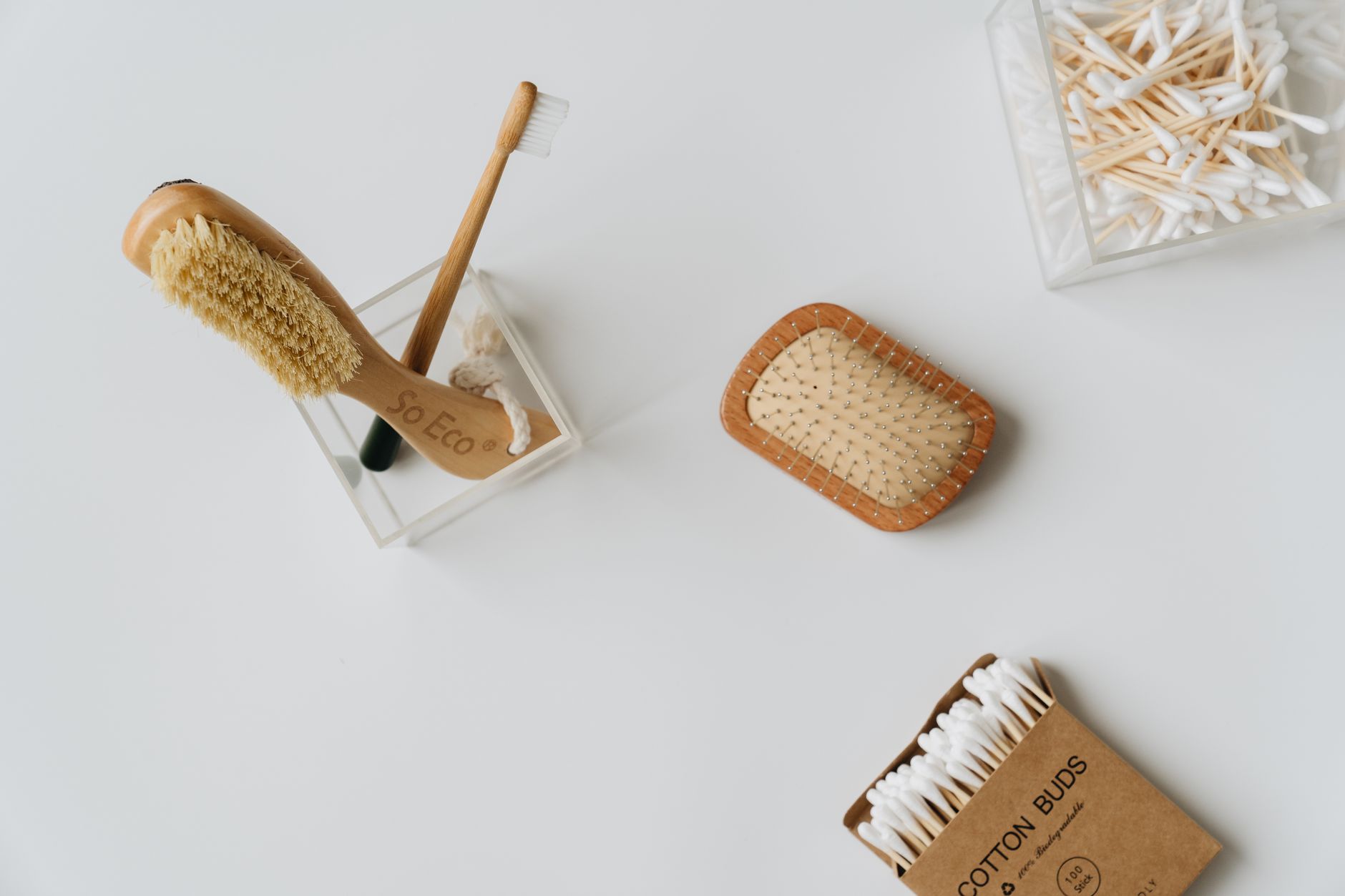
The Rise of Beauty and Sustainability: A Green Revolution
Transitioning the beauty industry towards sustainable practices has become a focal point for many brands and consumers alike, driven by both environmental and health benefits.
As we dive into the era of eco-consciousness, understanding how beauty and sustainability intertwine can empower you to make informed choices that benefit both personal well-being and our planet.
Table of Contents
- Understanding Sustainable Beauty: Key Concepts and Definitions
- Why Sustainability Matters: Environmental and Personal Health Benefits
- How to Choose Sustainable Beauty Products: Tips and Tricks
- Sustainable Practices for Salons and Beauty Professionals
- The Role of Brands: Innovations and Leaders in Sustainable Beauty
- DIY Sustainable Beauty: Simple Recipes and Hacks
- Key Takeaways
- Frequently Asked Questions
Understanding Sustainable Beauty: Key Concepts and Definitions
Sustainable beauty involves practices and product choices that prioritize eco-friendliness and responsible sourcing. This approach encompasses everything from selecting packaging materials to the ingredients used in formulations. For instance, research by Deloitte reveals that consumers are increasingly interested in sustainable sourcing and recycling.

Why Sustainability Matters: Environmental and Personal Health Benefits
Sustainable beauty practices are more than just a trend; they're essential for the planet's health. The Green Beauty Foundation emphasizes the reduction of waste and the use of renewable resources to lessen environmental impact. Additionally, eco-friendly products often contain fewer harmful chemicals, benefiting skin health.
How to Choose Sustainable Beauty Products: Tips and Tricks
For example, Davines, a brand available at The Salon Project, delivers eco-friendly options like their MELU Shampoo and Solu Shampoo, known for sustainable ingredients and packaging.
Featured Brand · Davines
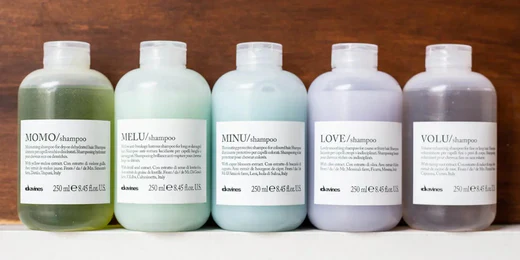
MELU Shampoo Davines
Davines MELU Shampoo embodies the essence of sustainable beauty with its focus on natural ingredients and eco-friendly practices. By nourishing your hair while being mindful of the environment, it serves as a gentle reminder that caring for ourselves can go hand in hand with caring for the planet. Integrating such thoughtful products into your routine can enhance your personal well-being while contributing to a more sustainable future.
Davines is the main beauty brand we use and trust at The Salon Project — shop it in-salon or online.
Shop Davines in-salon or online →
Sustainable Practices for Salons and Beauty Professionals
Salons can significantly reduce their environmental footprint by adopting sustainable practices such as:
- Switching to Eco-Friendly Products: Incorporate lines like Davines, which focus on sustainable beauty.
- Energy Efficiency: Utilize energy-efficient appliances and lighting.
- Waste Management: Implement robust recycling programs and reduce water waste where possible.
The Role of Brands: Innovations and Leaders in Sustainable Beauty
Brands leading the change in sustainable beauty are revolutionizing the industry. A study by SGK highlights how brand innovation is driving sustainable practices. Companies are investing in biotechnology to create sustainable ingredients and reducing water usage in product formulations.
DIY Sustainable Beauty: Simple Recipes and Hacks
Creating your own beauty products is easier than you think and requires just a few ingredients:
- Coconut Oil and Honey Mask: Blend equal parts for a moisturizing face mask.
- Coffee Grounds Scrub: Mix with olive oil for an exfoliating body scrub.
> Pro Tip: In our experience, switching to organic ingredients simplifies DIY beauty, making it healthier and more sustainable.
Key Takeaways
- Sustainable beauty benefits both personal health and the environment.
- Consumers can make eco-friendly choices by examining product ingredients and brand ethics.
- Innovations by leading brands are setting new sustainability standards in the industry.
Frequently Asked Questions
What is sustainable beauty?
Sustainable beauty involves using products and practices that are environmentally friendly, ethically sourced, and produced with minimal waste.
How can I ensure a product is sustainable?
Look for eco-friendly packaging, sustainably sourced ingredients, and brands committed to ethical practices.
Why are sustainable beauty practices important?
They reduce environmental impact, decrease exposure to harmful chemicals, and promote long-term health benefits.
Are there affordable sustainable beauty options?
Yes, many brands now offer cost-effective sustainable options, and DIY solutions can further reduce costs.
How do salons implement sustainable practices?
Salons adopt sustainable practices by using eco-friendly products, minimizing waste, and increasing energy efficiency.

Conclusion
Understanding the intersection of beauty and sustainability empowers you to make choices that benefit both your personal health and the environment. As the industry evolves, so do your opportunities to contribute to a greener future. Sustainable beauty isn't just a trend—it's a significant, positive shift towards global well-being.