Dominican Hair Salon Near Me: Expert Guide and Checklist
A “dominican hair salon near me” search usually means you want a sleek, soft, high-shine blowout fast—and you want to know if it’s right for your hair. This guide explains what a Dominican blowout is, who it suits, costs, timing, heat safety, and how to keep results lasting.
If you’re considering a Dominican hair salon near me, you’re in the right place. We’ll break down the signature methods—rollersets and brush-worked blowouts—so you know exactly what to expect. You’ll learn how to choose a great stylist, protect your hair from heat, and maintain silk-smooth results between visits. In our experience, a little prep and the right aftercare stretch results by days.
Table of Contents
- What Is a Dominican Hair Salon?
- Pros and Cons of a Dominican Blowout
- How to Choose a Dominican Hair Salon Near Me
- What to Expect During Your Visit
- Care and Maintenance After the Blowout
- Cost, Time, and How Often to Go
- Heat Safety and Hair Health
- Alternatives if You Skip Heat
What Is a Dominican Hair Salon?
A Dominican hair salon is a salon that specializes in roller sets and brush-based blowouts designed to smooth hair of many textures with speed and high shine. The signature service—often called a Dominican blowout—uses a rollerset to pre-stretch hair, then a round-brush blowout to refine and polish.- Key steps typically include: clarifying cleanse, moisturizing conditioner, roller set under a hooded dryer, then round-brush blow-dry to seal and smooth.
- Good for: waves, curls, and coils seeking movement and gloss without a chemical straightener.
- Not the same as a keratin or relaxer: a Dominican blowout is heat-styling only, so it washes out.

Pros and Cons of a Dominican Blowout
Every technique has trade-offs. Here’s a balanced view so you can decide if it fits your goals.Pros
- Sleek, movement-filled finish without chemicals
- Can last 5–10 days with careful maintenance
- Works across many textures when pre-stretched with rollers
- Often faster than flat-ironing small sections
- Direct heat is still heat—repeated high temps can cause dryness
- Humidity can shorten longevity on very textured hair
- Too-frequent blowouts may loosen curl pattern temporarily
How to Choose a Dominican Hair Salon Near Me
When you search “dominican hair salon near me,” focus on consistency, cleanliness, and heat awareness—not just photos.A quick checklist
Related reads if you’re comparing options in the city: Upscale Hair Salon Near Me: 9 Signs You Found It Fast and Manhattan's Upper East Side Hair Salon: 9 Expert Tips to Choose.
What to Expect During Your Visit
Here’s a typical flow so nothing surprises you:- Consultation: Hair history, medications, scalp check, and porosity test. We found this predicts frizz control more than any single product.
- Cleanse: Start with a clarifying shampoo on product-heavy hair; follow with a moisturizing conditioner.
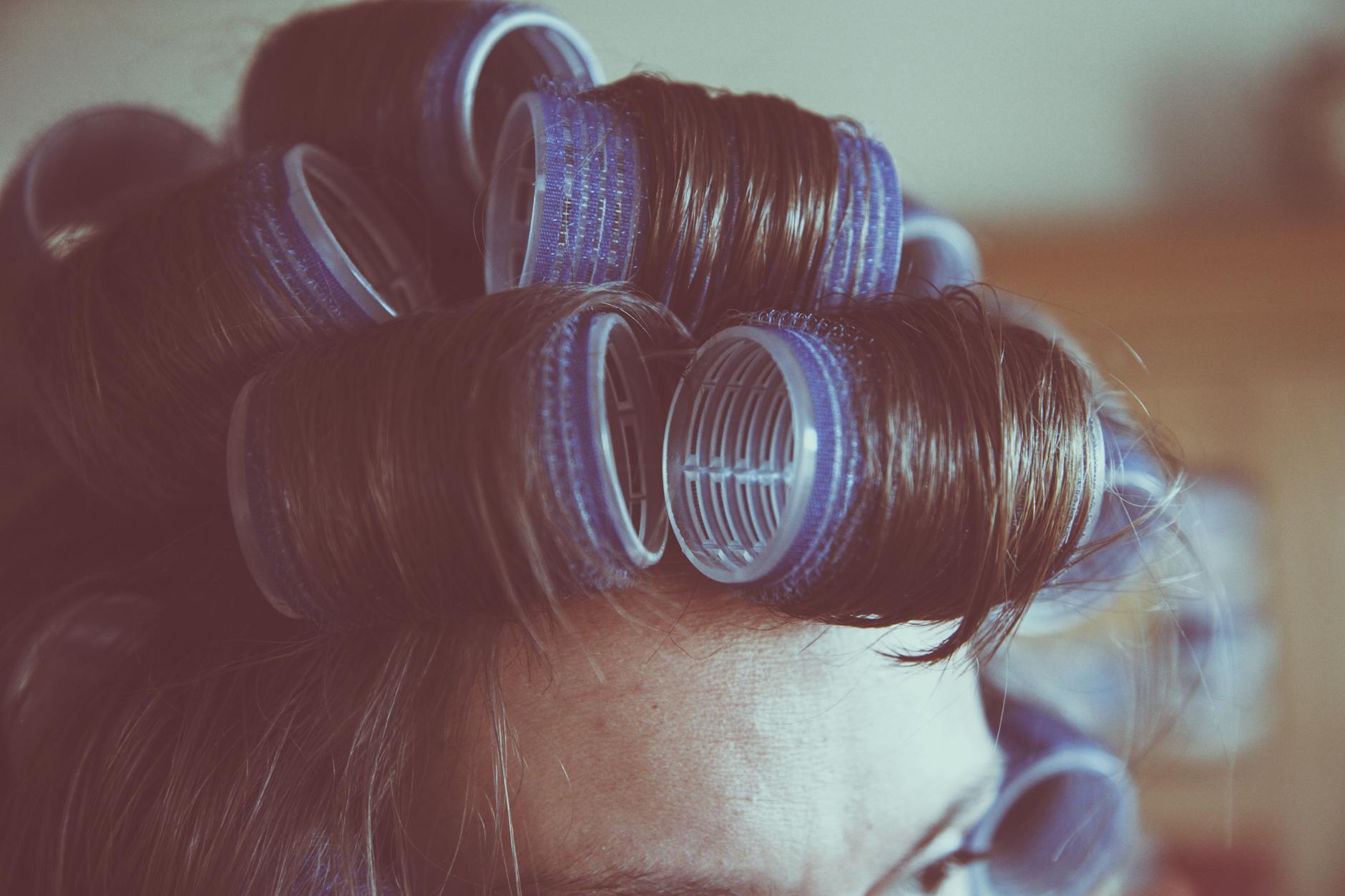
- Roller set: Hair is sectioned and wrapped on rollers to stretch curls evenly without tugging.
- Hooded drying: Fully dry in rollers; this sets the shape and reduces the direct-heat time later.
- Brush blowout: Using a round brush and nozzle-directed airflow, the stylist smooths roots and mid-lengths; ends are polished last.
- Optional finishing: A light serum or flexible-hold spray for shine and movement.
Featured Brand · Davines
MINU Mask Davines
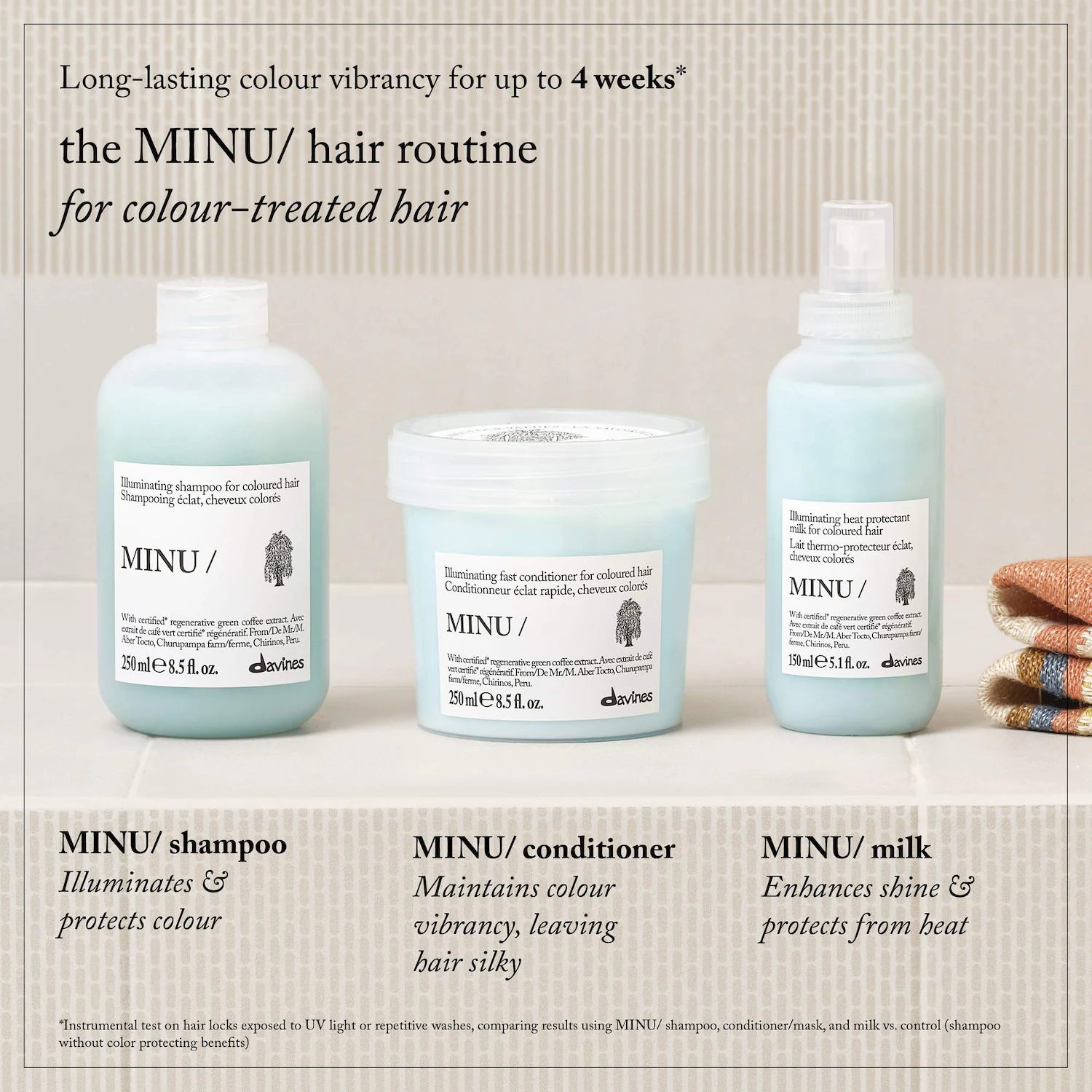
After a visit to a Dominican hair salon—whether you leave with fresh color or a sleek silk press—Davines MINU Mask helps keep that glossy, vibrant finish between appointments. A nourishing rinse-out treatment that smooths the cuticle and preserves tone, it’s a subtle, low-effort way to extend the just-left-the-chair look.
Davines is the main beauty brand we use and trust at The Salon Project — shop it in-salon or online.
Shop Davines in-salon or online →
Care and Maintenance After the Blowout
Your aftercare determines how long the finish lasts. Treat it like silk fabric—gentle and humidity-aware.Night routine
- Silk or satin: Wrap hair or use a loose “doobie” wrap, then cover with a silk scarf or bonnet.
- Pillowcase backup: Use silk/satin to reduce friction if wraps slip.
- Keep it dry: Use a shower cap and avoid heavy steam.
- Brush smart: Use a boar-bristle or mixed-bristle brush; detangle starting at ends.
- Humidity shield: On muggy days, try a light anti-humidity mist at arm’s length.
- If your roots puff, do a partial reset: re-smooth only the hairline and crown with minimal heat.
- Plan a full cleanse by day 7–10, or sooner after workouts.
- Heat protection is non-negotiable: In our experience, a silicone-light serum before any refresh reduces breakage at the line of demarcation.
- For fragile or long hair, MELU Serum Davines helps defend against heat while adding slip.
- When it’s time to wash, a clarifier like SOLU Shampoo Davines resets buildup, followed by a hydrating mask. The MINU Mask Davines is a favorite for restoring softness. These are available at our salon if you want professional-grade care at home.
Cost, Time, and How Often to Go
- Typical timing: 90–150 minutes depending on density and roller-dry time. We tested staggered roller sizes and found larger rollers can shave 10–15 minutes for long, low-density hair with minimal trade-off.
- Price ranges: Costs vary by city, hair length, and add-ons like deep treatments.
- Frequency: Every 3–4 weeks is common. Many clients alternate blowouts with curly sets to maintain elasticity.
- Allocate for a periodic treatment. A salon-grade bond or moisture treatment every 6–8 weeks supports resilience if you heat-style regularly.
Heat Safety and Hair Health
Heat isn’t the enemy—it’s unmanaged heat that causes issues. Focus on temperature, tension, and time.- Temperature: Aim for the lowest setting that achieves smoothness. Fine or chemically treated hair usually needs less heat than coarse virgin hair.
- Tension: The brush does the smoothing; heat just sets it. Minimal tugging preserves edges and nape hairs.
- Passes: One to two controlled passes per section are typically enough after a proper roller set.
When I manage highly porous curls, I start with moisture, then protect, then smooth. I’ve found this sequence delivers shine with fewer passes.
Alternatives if You Skip Heat
Not every week needs a blowout. Options to keep variety while reducing heat cycles:- Roller set only: Dry fully under a hooded dryer, then separate with a little serum for bouncy body.
- Stretch styles: Loose braids, banding, or a silk wrap overnight to keep length without direct heat.
- Air-dry with definition: A curl cream, gel, and hands-off drying; diffuse on low only if needed.
Key Takeaways
- A Dominican blowout smooths hair via roller stretching, then brush-directed airflow—no chemicals.
- Longevity depends on humidity care, silk wrapping, and smart refreshes with heat protection.
- Space services every 3–4 weeks and use protectants to safeguard elasticity.
- Choose salons that discuss temperature, passes, and aftercare—not just photos.
- Davines care like MELU and SOLU supports prep, protection, and resets; available at our salon.
Frequently Asked Questions
What is the difference between a Dominican blowout and a silk press?
A Dominican blowout usually starts with a roller set to pre-stretch hair, then uses a round brush and blow-dryer to smooth. A silk press typically skips rollers and relies on precise blow-drying plus a flat iron. Both can look sleek; the roller step often means fewer high-heat passes.How long does a Dominican blowout last?
With silk wrapping at night and humidity care, most people get 5–10 days. Very humid weather, workouts, or frequent touching can shorten that. Using a light serum and limiting refresh passes to the hairline or crown helps stretch results without overexposing the lengths to heat.Is a Dominican blowout safe for natural hair?
Yes, when managed with lower temperatures, minimal passes, and heat protectant. The roller set reduces direct heat time, which helps protect curl pattern and moisture. Spacing appointments every 3–4 weeks and adding periodic deep treatments supports long-term strength and elasticity.How often should I get a blowout to avoid damage?
Every 3–4 weeks is a common cadence for healthy hair. If you heat-style at home between visits, reduce salon frequency or add restorative masks. Watch for signs of stress—rough ends, increased tangling—and pause heat if they appear until hair rebounds.What products help maintain a blowout?
Use a heat protectant serum for any refresh, an anti-humidity spray in damp weather, and a weekly hydrating mask. MELU Serum Davines, MELU Conditioner Davines, and SOLU Shampoo Davines are strong options for protection, slip, and resets—and are available at our salon.