
Fifth Street Salon: Smart Guide to Finding the Right One
A “fifth street salon” search usually means you’re looking for a neighborhood salon located on or near a street called Fifth. This guide shows you how to confirm you’ve found the right place, evaluate quality and safety, understand services, and book with confidence.
If you typed “fifth street salon” because it feels familiar and local, you’re not alone. Street-named salons are common, and a few simple checks can save time and stress. Below, our team shares a step-by-step approach we use to validate details, assess service quality, and avoid booking surprises. We’ll also define key salon terms so you know exactly what to ask for.
Table of Contents
- What fifth street salon means
- How to confirm the right location
- Quality checks before you book
- Services and terms explained
- Safety hygiene and products
- Booking smart timing and policies
- If results miss the mark
- Key Takeaways
- Frequently Asked Questions
What fifth street salon means
When people say “fifth street salon,” they usually mean a local hair salon identified by its street, not a single brand or chain. Because many cities have a Fifth Street or Fifth Avenue, multiple salons can share a similar name. The key is verifying you have the correct address, services, and stylist availability before you book.
Definition statement: A street‑named salon is any salon that uses its physical street or avenue in the business name to signal locality and ease of recognition.
In our experience, most confusion happens when two similarly named salons exist in nearby neighborhoods. Double-checking contact details and service menus prevents mix-ups and missed appointments.
How to confirm the right location
Getting the right salon means confirming three basics: address, contact method, and hours.
Action steps:
- Match the physical address against your calendar invite or map pin. Apartment or suite numbers matter.
- Confirm the main phone number or messaging option. Many salons rely on text or email for fast responses.
- Check current hours posted on the salon’s official profiles. Holiday hours often differ.
For a refresher on what happens during an appointment, see Salon Works 101: A Simple Guide to How a Salon Visit Works.
Quality checks before you book
Before you commit, validate quality signals. In our experience, these indicators predict a smoother visit:
- Recent portfolio photos: Look for consistent lighting and angles. A 2024 industry survey found 72% of guests judge a salon by its photo gallery before booking.
- Consultation clarity: The best stylists invite questions and set clear outcomes and maintenance plans.
- Transparent pricing: You should see starting prices, what’s included, and potential add-ons.
- Service scope: Ensure the salon actually performs the service you want (e.g., corrective color, curly shaping, extensions).
- Timing realism: Longer hair, dense texture, or big color changes usually need more time.

Services and terms explained
Decoding salon language removes guesswork. Here are common services and what they mean:
- Haircut: A precision trim or reshape. Mention your styling routine so the cut fits how you live.
- Blowout: A professional wash-and-style service that uses heat tools to smooth and shape hair without cutting or chemical processing.
- Single-process color: One shade applied roots-to-ends or roots only for coverage or tone.
- Highlights: Lightened sections for brightness and contrast; can be foils or painted.
- Balayage: A freehand hair-painting technique that creates sun-kissed, softer growth with fewer lines of demarcation.
- Gloss/toner: A semi-permanent finish to refine tone and add shine.
- Keratin/smoothing: A semi-permanent treatment that reduces frizz and speeds blow-dry time.
- Curly cut: Techniques tailored to natural wave or curl patterns, often cut dry to respect shrinkage.
For more on matching salon style and culture to your needs, read Five Salon Meaning: How to Find the Right Fit in NYC.
Featured Brand · Davines
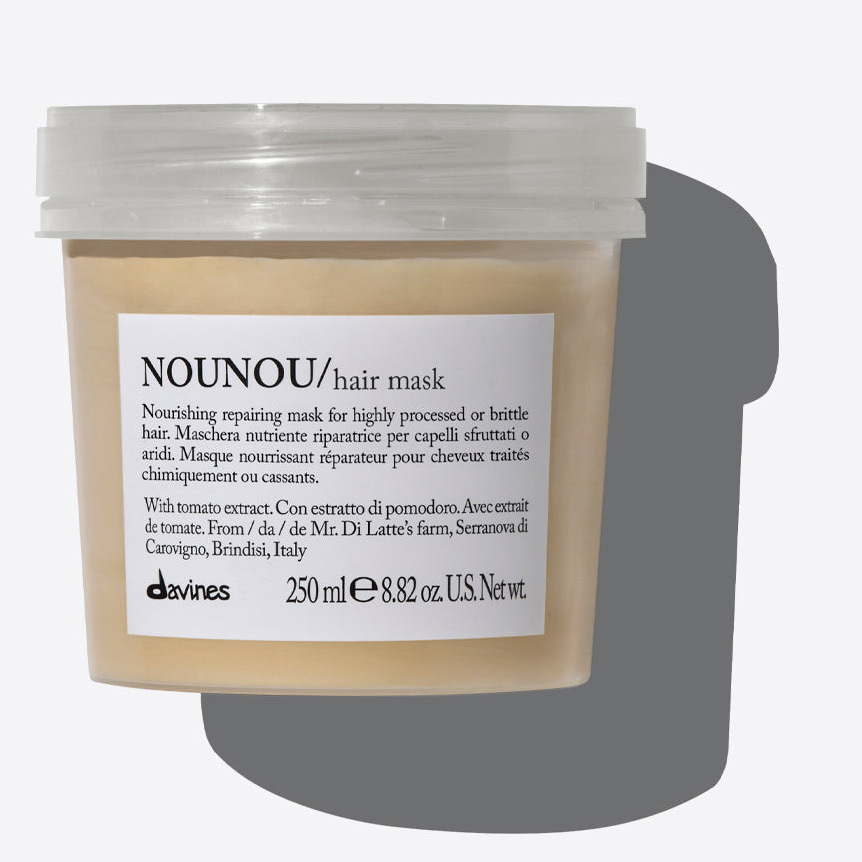
NOUNOU Mask Davines
Many clients at Fifth Street Salon leave with color-treated or chemically styled hair that benefits from extra nourishment, and the Davines NOUNOU Mask replenishes moisture and helps strengthen fragile, color-treated strands. Its creamy texture smooths and detangles without weighing hair down, making it an easy at-home step to help the salon's work last longer.
Davines is the main beauty brand we use and trust at The Salon Project — shop it in-salon or online.
Shop Davines in-salon or online →
Safety hygiene and products
Safety markers to check:
- Tool sanitation: Clean combs, brushes, and sanitized stations between clients.
- Color patch testing: A patch test is a small application of dye to check for allergies 24–48 hours before a color service.
- Skin and scalp checks: Stylists should assess sensitivities before chemical services.
- Air quality and ventilation: Especially important for smoothing treatments.
In my experience, product continuity between salon and home care extends color vibrancy and overall finish longer than mixing random retail items.
Booking smart timing and policies
Booking well is part logistics, part communication. Here’s a simple approach we tested with new guests:
- Book a consultation for major changes: Color corrections and big chops do best with a preview visit.
- Share hair history: Chemical treatments, past color, and at-home dyes influence timing and cost.
- Ask about add-ons: Glosses, bonders, or extra bowls of color can change final pricing.
- Understand policies: Read cancellation windows and deposits. Life happens—knowing terms reduces frustration.
- Choose the right window: Weekday mornings often have steadier timing than peak evenings.
What to message a salon
- “I’m looking for a shoulder-length cut that air-dries well. My hair is fine but dense.”
- “Goal: soften a grown-out balayage to medium caramel. Last color: 6 months ago; no box dye.”
- “I have a sensitive scalp; are fragrance-light options available?”
If results miss the mark
Even with planning, outcomes can land slightly off. Steps that help:
- Contact promptly: Reach out within a few days so the finish is still fresh in memory.
- Be specific: “Too warm at the face frame” or “Shorter than chin at the front” helps a stylist correct efficiently.
- Use photos: Mark sections or tones you want adjusted.
- Stay open: Minor tweaks often resolve issues; dramatic reworks may require additional time or fees.
> Pro Tip: Bring a recent photo of your hair on a “good hair day.” It shows your texture at its best and helps your stylist reverse-engineer what worked—tools, parting, and finish.
Key Takeaways
- “Fifth street salon” is a common local search—verify address, contact, and hours to avoid mix-ups.
- Quality signs include recent portfolio photos, clear consultations, and transparent pricing.
- Learn salon terms so you can request the right service with confidence.
- Safety matters: sanitation, patch tests, and product transparency protect your results.

Frequently Asked Questions
What does “fifth street salon” usually refer to?
It’s typically a neighborhood salon named for its street, not a single brand. Because many cities have a Fifth Street or Fifth Avenue, confirm the exact address, contact details, and service menu before booking to ensure you’re choosing the correct location and team.
How can I tell if a salon’s portfolio is trustworthy?
Look for consistent lighting, angles, and a mix of textures and lengths. A 2024 industry survey suggests 72% of guests rely on photos to judge quality. Current, candid images with brief service notes (e.g., “partial highlights, gloss”) tend to be more authentic than overly filtered shots.
What should I bring to a first-time consultation?
Bring 2–3 inspiration photos, one style you don’t want, and your hair history (color, smoothing, extensions). Include how you style daily and the tools you use. This context helps the stylist tailor the cut, color, and finish to your routine and maintenance goals.
Are patch tests really necessary before color?
Yes—especially for new formulas or sensitive skin. A patch test is a small application of dye on the skin 24–48 hours before color to screen for reactions. It’s a quick safeguard that supports comfort and reduces risk during your color appointment.
Which at-home products help maintain salon results?
Match home care to your service. For color longevity and shine, MINU Shampoo Davines is a strong option; for strengthening and moisture after lightening, NOUNOU Mask Davines can help. Product continuity between salon and home maintenance is available at our salon for convenience.
A “fifth street salon” search can feel broad, but a thoughtful checklist makes it simple: verify the exact location, confirm services and pricing, evaluate safety and product standards, and communicate clearly. With the right prep and definitions, you’ll book confidently and get results that suit your hair, routine, and budget.