Hair Color Before and After: Stunning Transformations Explained
Hair color transformations can dramatically enhance your look, boost your confidence, and showcase your personality. These before-and-after results don't just highlight the aesthetic differences—they also embody the creativity, precision, and expertise involved. By understanding the process and knowing how to care for color-treated hair, you can achieve long-lasting and vibrant results that match your personal style.
Hair color changes aren't just cosmetic; they tell a story. Let’s explore these transformations, while offering expert advice, realistic examples, and tips for making the most of your new hair color.
Table of Contents
- Understanding the process: what happens during a hair color session
- Before and after: stunning examples of hair color changes
- Choosing the right shade: tips for selecting a hair color based on skin tone and style
- Maintenance tips: how to care for your hair after coloring
- Expert advice: common mistakes to avoid when dyeing your hair
- Why choose a professional salon for hair coloring
- Key Takeaways
- Frequently Asked Questions
Understanding the process: what happens during a hair color session
Hair coloring sessions are far more than applying dye. The process involves consultation, preparation, and precision techniques tailored to your hair type and desired outcome. Here’s what typically happens:
- Consultation: Stylists assess your hair type, texture, and current condition. In our experience, clients benefit most from discussing their ideal shades, lifestyle, and maintenance expectations upfront.
- Preparation: Depending on your goals, your stylist may pre-lighten your hair (if you're switching to a lighter tone) or ensure even coverage when adding semi-permanent or vibrant shades.
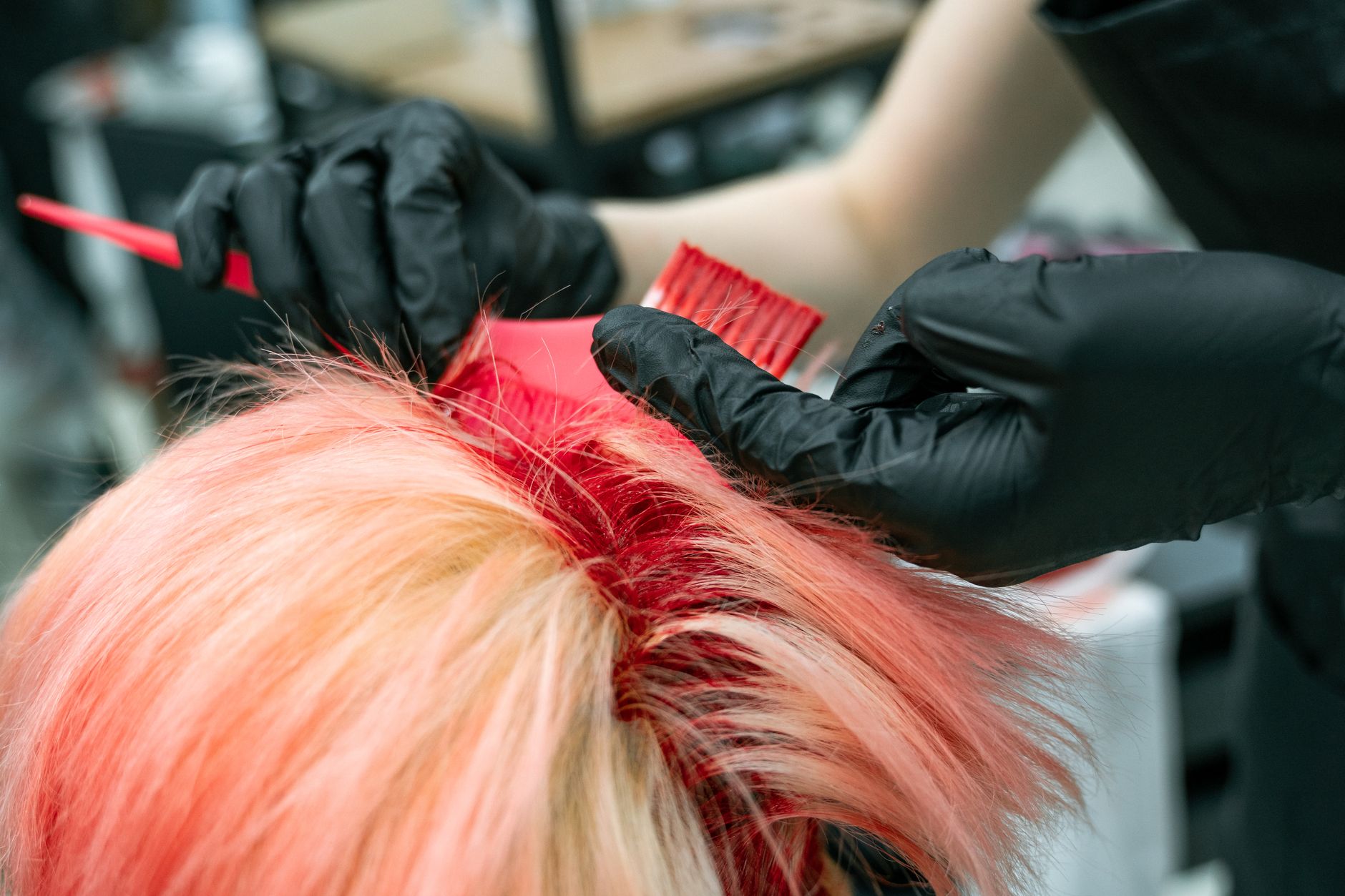
- Precision Application: Using foils, balayage techniques, or traditional all-over dyeing methods, color is expertly applied to avoid patchiness and create depth.

Before and after: stunning examples of hair color changes
Before-and-after transformations are the most compelling way to visualize the impact of hair dye. Here are common scenarios:
- Brunette to Blonde: Going lighter often requires multiple steps, but the payoff can be stunning. Subtle highlights or a total blonde makeover transitions dull hair into a luminous glow.
- Adding Vibrant Colors: Bright reds, blues, or purples can turn everyday hair into a head-turning statement. We found these transformations particularly popular with clients seeking bold self-expression.
- Covering Greys or Refreshing Dull Tones: Subtle changes, like blending greys or deepening a fading color, can make your hair look healthier and more youthful.
Choosing the right shade: tips for selecting a hair color based on skin tone and style
Selecting the right shade requires aligning your choice with your skin tone, natural undertones, and personal preferences. Here’s a guide:
- Fair Skin: Cool blondes, like platinum or ash, look striking. For contrast, deep brunettes or vibrant reds also complement lighter skin tones.
- Medium Skin: Warm caramel tones, golden blondes, or rich auburn shades enhance the natural warmth of medium-toned skin.
- Dark Skin: Dark chocolate, espresso brown, and burgundy hues pair beautifully with deeper skin tones.
- Style Tip: Consider your lifestyle. If your routine doesn't allow for frequent touch-ups, opt for low-maintenance balayage or ombre techniques.

Maintenance tips: how to care for your hair after coloring
Caring for color-treated hair is essential to maintain vibrancy and health. Follow these expert tips:
- Use sulfate-free shampoos and conditioners specifically designed for color-treated hair.
- Avoid excessive heat styling or always use a heat protectant when necessary.
- Limit exposure to chlorinated pools and always rinse your hair afterward if swimming.
- Schedule regular toning glosses or touch-ups every 6–8 weeks to refresh faded colors.
Expert advice: common mistakes to avoid when dyeing your hair
To ensure your color investment pays off, avoid these common mistakes:
- Skipping Professional Help: DIY kits can lead to uneven tones and damage. When I tried at-home dye years ago, I ended up with patchy results that required corrective coloring by a pro.
- Failing to Patch Test: Allergic reactions can happen even if you've dyed your hair before. Always test first.
- Using Harsh Products: Cheap shampoos strip color quickly. Stick to professional-grade products to extend longevity.
Why choose a professional salon for hair coloring
Professional salons provide results one simply can't achieve at home. Here’s why:
- Expertise: Professionals ensure precision and customization based on your hair type and goals.
- Tools and Techniques: From balayage to root shadowing, stylists use advanced methods unavailable in DIY kits.
- Safety and Support: A salon minimizes damage through treatments like bond-repairing agents during the coloring process.
Key Takeaways
- Hair color transformations create dramatic and confidence-boosting results.
- Choosing the right shade depends on skin tone, lifestyle, and desired maintenance.
- Caring for color-treated hair extends its vibrancy and health.
- Professional salons ensure flawless, safe, and vibrant hair color changes.
Frequently Asked Questions
How do I choose the best hair color for my skin tone?
Consider your skin’s undertones. Cool skin tones pair well with ashy or platinum shades, while warm undertones complement golden hues. Consult a professional for personalized advice.How long does hair color last?
The duration depends on the dye type. Permanent dyes last 6–8 weeks, while semi-permanent options may fade within 4–6 weeks. Maintenance products and regular touch-ups help prolong the color.Does coloring my hair damage it?
When done professionally and paired with proper aftercare, hair coloring minimizes potential damage. Salons often use treatments like Olaplex to restore hair health.Can I transition from dark to platinum blonde in one session?
Typically, no. Lightening hair several levels requires multiple sessions to avoid excessive damage.How can I fix a bad at-home dye job?
Seek professional color correction services. Attempting to fix it yourself could worsen the problem and damage your hair further.