Hair Highlights New York: Styles, Prices, and Care Guide
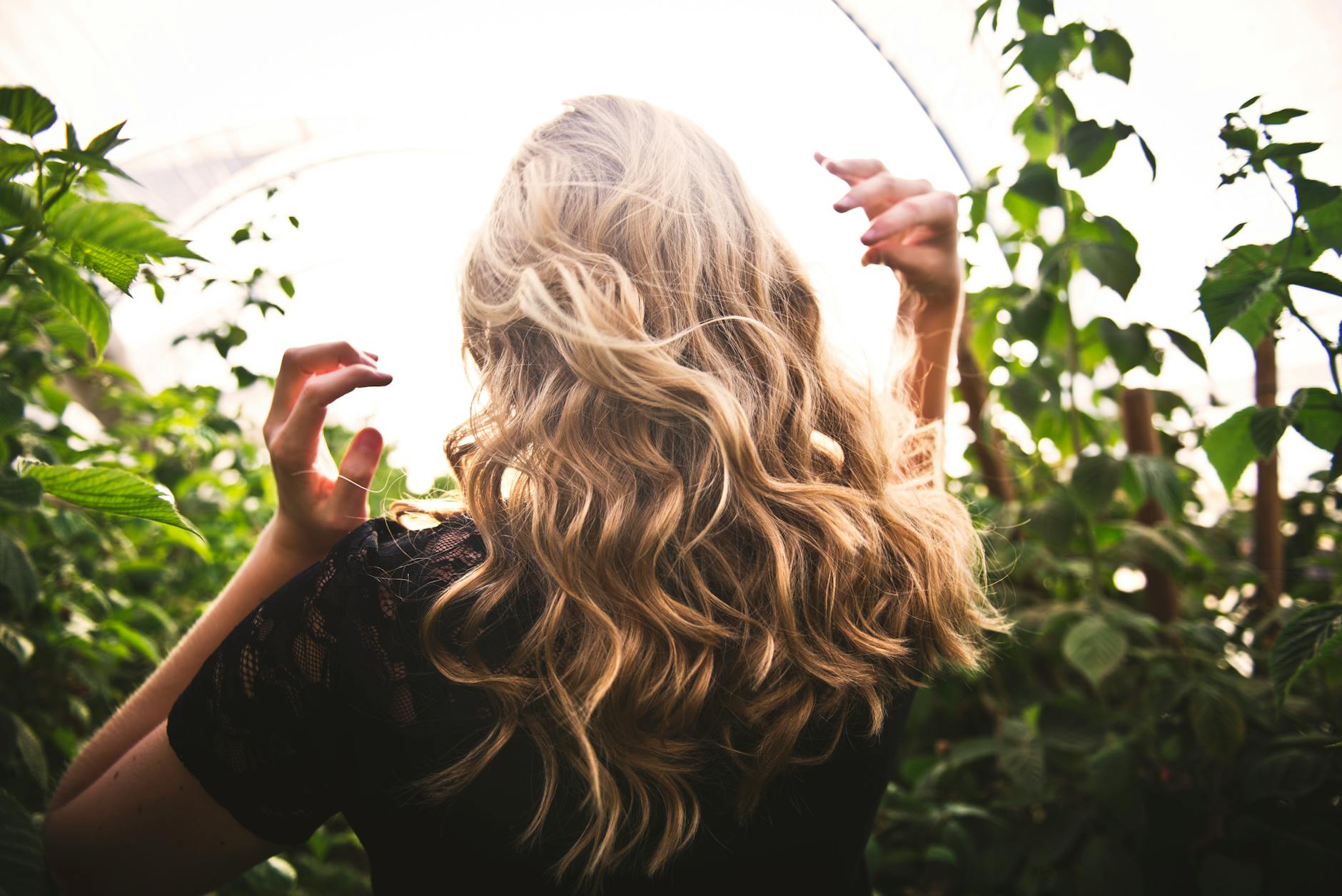
Hair highlights New York means choosing techniques and shades that fit NYC light, water, and lifestyle. Highlights are partial lightening placed to add brightness and dimension without changing your whole base. Expect a tailored consult, a technique like foils or balayage, toning, and a finish that flatters your cut and skin tone.
If you're researching hair highlights New York, you want clear answers on styles, cost, and upkeep that work in the city. This guide covers the techniques we use daily at The Salon Project, how to pick your shade, how long highlights last, and the NYC-specific factors (like water and weather) that quietly change your color between appointments.
Table of Contents
- Hair Highlights New York: What to know
- Popular highlight techniques explained
- How to choose your perfect shade
- Costs, timing, and how long highlights last
- Maintenance: toners, glosses, and at-home care
- NYC-specific factors: water, weather, and lifestyle
- Booking smart: consultation questions to ask
- Key Takeaways
- Frequently Asked Questions
Hair Highlights New York: What to know
Highlights are lighter strands woven through your hair to create contrast, movement, and brightness. In our experience, New Yorkers prefer low-maintenance placement with a soft grow-out. Appointment times range from quick face-frame mini sessions to full transformations. A toner or gloss usually follows lightening to fine-tune the shade and add shine.
- Definition: A hair highlight is a localized lightening process applied to select strands to create dimension relative to your natural or colored base.
- Why it works in NYC: indoor/outdoor lighting, subway wind, and office fluorescents all hit hair differently—dimension helps hair look alive in every setting.
- Inspiration: An editors’ roundup of NYC color trends often spotlights soft, blended brightness that looks effortless under streetlight and sun (see this editorial overview).
Popular highlight techniques explained
Picking the right method matters as much as picking the right shade. Our team tailors technique to your haircut, texture, and maintenance goals.
Foils vs balayage
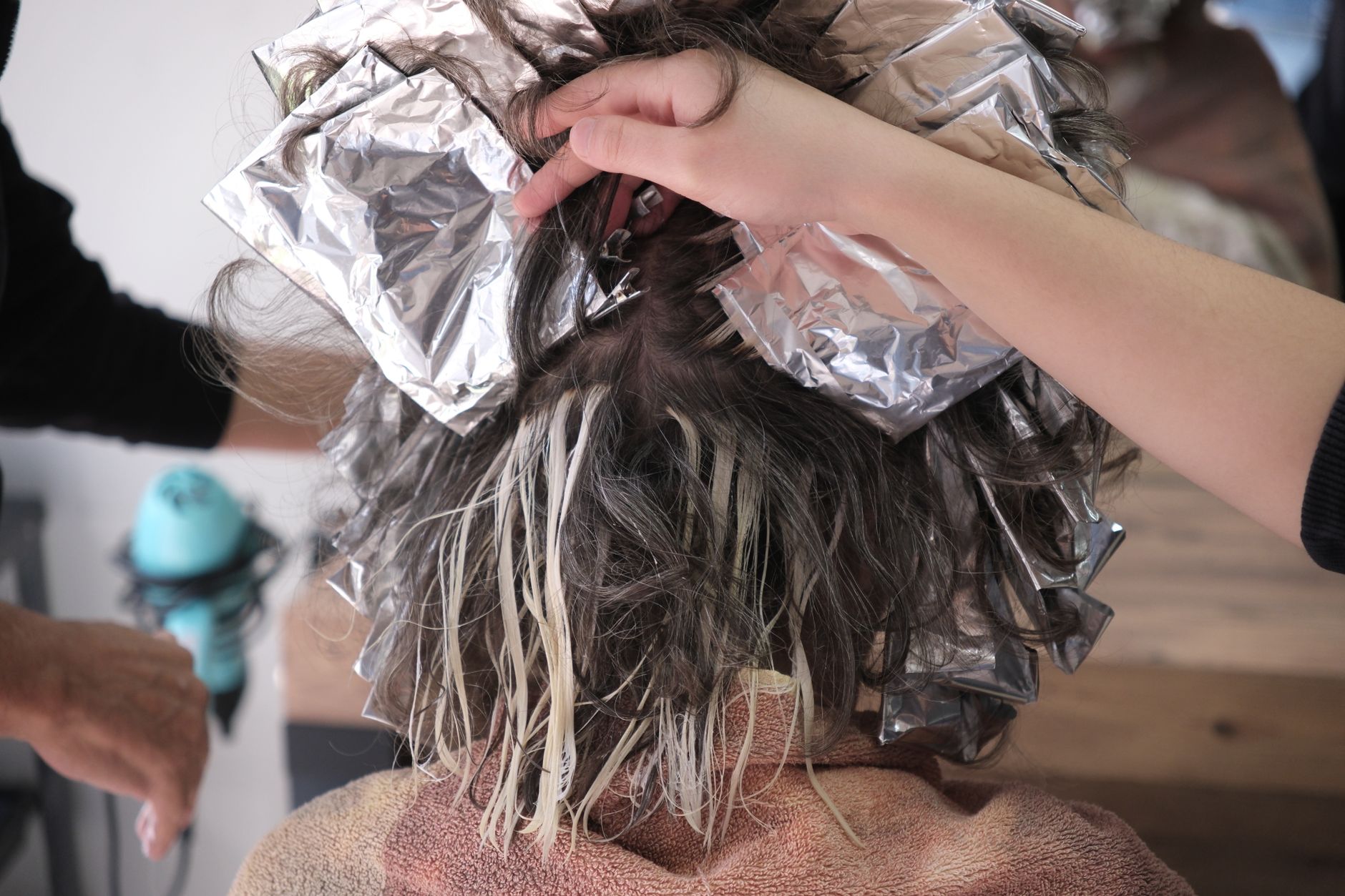
- Foil highlights: Hair is sectioned and painted, then wrapped in foils to lift faster and lighter. Great for high-contrast blonding and precise brightness.
- Balayage: Balayage is a freehand hair-painting technique that creates sun-kissed, seamless lightness with a soft root and natural grow-out. Ideal for lived-in color.
Babylights and face-framing
- Babylights: Ultra-fine, closely spaced highlights that mimic natural, childlike brightness. Subtle yet impactful.
- Face-framing: A few strategic highlights around the hairline to open the face and freshen your look in minutes; perfect between full appointments.
Lived-in and root smudge
- Lived-in highlights: Lower-contrast brightness with depth left at the root for fewer touch-ups.
- Root smudge: A post-lightening glaze at the root to diffuse lines and extend time between services.
How to choose your perfect shade
Choosing a shade for hair highlights New York comes down to undertone, contrast level, and your daily environment.
- Skin undertone guide:
- Contrast rule: Keep highlights within 2–3 levels of your base for a natural look; go 3–4+ for higher-impact contrast.
- Placement mapping: Focus light around the face and crown if you wear hair down; concentrate through mids and ends if you love updos.

Costs, timing, and how long highlights last
While prices vary by hair length, technique, and starting color, you can plan ranges and timelines.
- Timing: Face-frame refresh 45–75 minutes; partial 2–3 hours; full 3–4+ hours.
- Longevity: Lived-in balayage can stretch 10–16 weeks; foil highlights with higher contrast may need 6–10 weeks.
- Gloss/toner: Expect a 4–6 week refresh to maintain tone and shine.
Featured Brand · Davines
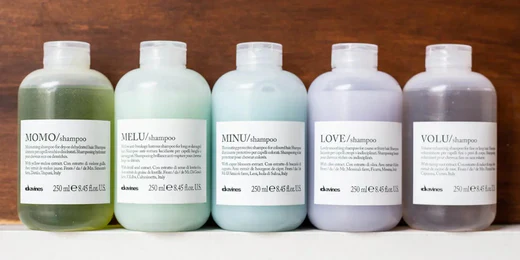
MINU Shampoo Davines
City highlights can fade quickly from sun, styling and pollution, and Davines' MINU Shampoo is a gentle, color-protecting cleanser that helps preserve tone and softness between salon visits. Keeping a product like this in your routine makes it easier to maintain that fresh New York highlights look without overprocessing.
Davines is the main beauty brand we use and trust at The Salon Project — shop it in-salon or online.
Shop Davines in-salon or online →
Maintenance: toners, glosses, and at-home care
NYC water, sun, and styling tools can nudge hair brassy or dry. Smart upkeep keeps your color modern.
- Toner every 4–8 weeks to correct warmth and add shine
- Purple or blue care as needed for brass control (blonde vs. brunette)
- Heat protection every blowout and air-dry support for waves/curls
- Mineral-detox or chelating treatments if hard water buildup is an issue
Gloss vs toner: what’s the difference?
- Toner: A targeted, demi-permanent shade that refines warmth, neutralizes brass, or shifts tone slightly.
- Gloss: A clear or lightly tinted shine treatment that seals the cuticle and boosts reflection without major tonal change.
> Pro Tip: Ask for a “seasonal tone plan.” We tested rotating a cool-neutral toner in summer (to fight sun warmth) and a slightly warmer gloss in winter (to offset gray skies). The result, in our experience, is consistently balanced color.
NYC-specific factors: water, weather, and lifestyle
Hair highlights New York live in a unique environment—steam heat in winter, humid subways in summer, and mineral-heavy water.
- Water: Mineral buildup can dull reflection and skew tone. A 2024 cosmetology review notes mineral deposits may reduce color brilliance by up to 30%. If your scalp is reactive, read our guide to NYC water and scalp care.
- Weather: UV exposure warms up blondes and light brunettes. Use hats and UV filters on peak days.
- Lifestyle: Daily workouts or frequent dry shampoo use can affect tone and feel—plan detox treatments every few weeks.
Booking smart: consultation questions to ask
A thoughtful consult sets you up for highlight success. Bring 2–3 photos of color you love and 1 you don’t, and be honest about your hair history.
Ask these questions:
- What technique gives me brightness with the softest grow-out?
- How many levels lighter are we going, and how will we control warmth?
- Where will you place light for my haircut and part line?
- What’s my 90-day plan: toner intervals, glosses, and home care?
Key Takeaways
- Hair highlights New York should balance brightness with a soft, low-maintenance grow-out.
- Technique matters: foils for high contrast; balayage for seamless, lived-in light.
- Plan toners or glosses every 4–8 weeks to maintain tone and shine.
- NYC water, sun, and lifestyle can shift color; build a simple care routine.
- A clear consultation and 90-day plan prevent brass and preserve dimension.
Frequently Asked Questions
What’s the difference between balayage and foil highlights?
Foils use folded packets for faster, lighter lift and crisp brightness; balayage is hand-painted for a softer, sunlit finish with a gentle grow-out. We recommend based on your contrast goals, texture, and how often you want touch-ups. Many clients mix both to target face-frame pop and blended mids.
How often should I refresh my hair highlights in New York?
Most clients refresh partial or face-frame highlights every 8–12 weeks, with a toner or gloss at 4–8 weeks to control warmth and boost shine. Lived-in placements may stretch longer, while high-contrast foils often need sooner touch-ups to keep the look crisp without visible lines.
How do I prevent brassiness between appointments?
Stick to lukewarm water, use UV protection outdoors, and rotate a blue or violet care routine depending on your base. Schedule regular toners or glosses. If mineral buildup is common in your neighborhood, consider a gentle chelating treatment and a color-safe wash that won’t over-strip your toner.
Will highlights damage my hair?
Any lightening changes hair structure slightly, but technique, processing time, and aftercare control outcomes. We focus on balanced lift, bond-aware practices, and proper toning. With the right plan, highlights can feel soft and reflective. Using color-care shampoo and conditioner helps keep hair strong and shiny.
Which shade will suit my skin tone best?
Match undertone to tone: cool skin pairs well with ashy or champagne lights; warm skin shines with honey and caramel; neutral undertones can blend both. Keep contrast within 2–3 levels for a natural look. Bringing a photo and sharing your daily lighting helps us refine the exact mix for you.