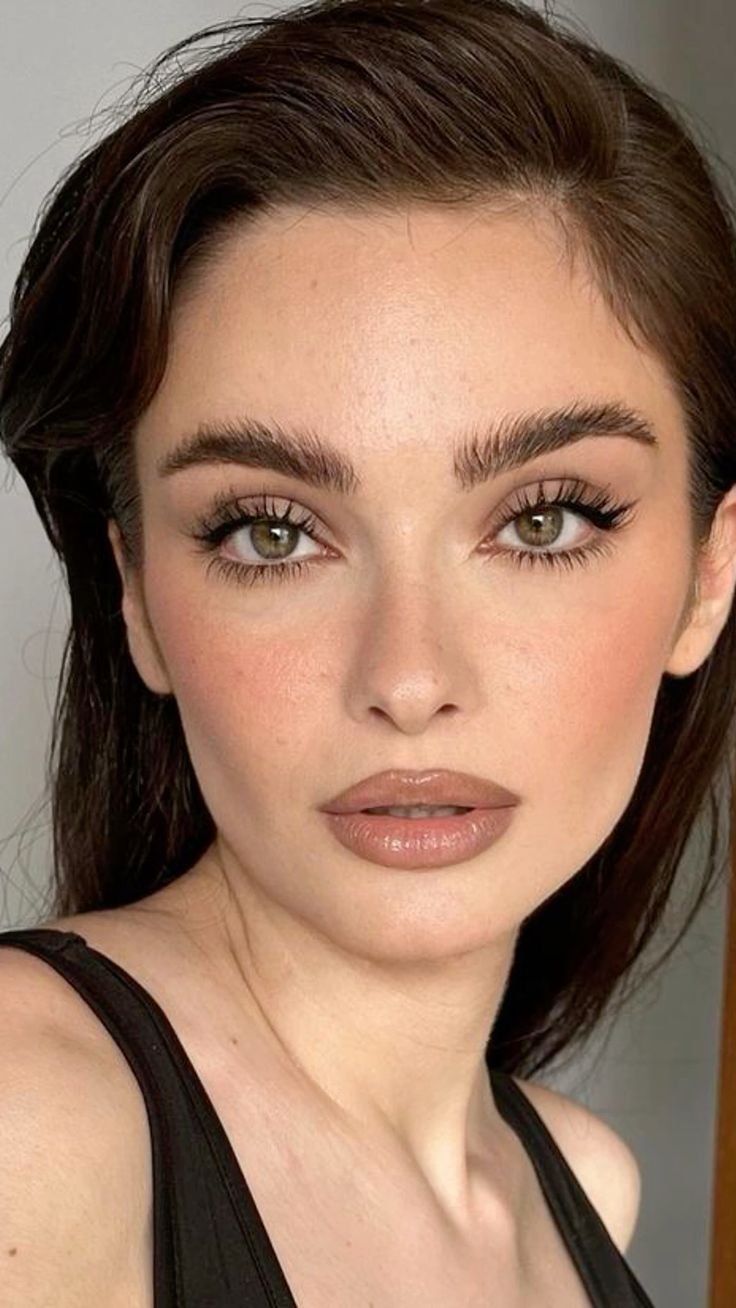
How do I find what makeup looks good on me? Many people ask How do I find what makeup looks good on me? because choosing the right look can feel overwhelming with so many colors, textures, and techniques. Understanding your features and learning how makeup interacts with them is the first step toward building a personalized beauty routine that elevates your natural charm.
One of the most important steps in choosing makeup is identifying your undertone. Your undertone—cool, warm, or neutral—determines which shades flatter you most.
If your skin has pink or bluish hues, you likely fall into the cool category. Lip colors such as berry, mauve, and deep red complement cool undertones beautifully. For eyeshadows, icy tones like silver, sapphire, and cool taupe create striking contrasts.
Those with golden, peachy, or olive undertones glow in earthy, warm shades. Coral lips, bronze or gold highlighters, and eyeshadows in copper, terracotta, or warm browns enhance your warmth naturally.
If you have a mix of cool and warm tones, your undertone is neutral. This gives you a wide range of flexibility. You can enjoy both warm and cool palettes, depending on your preference and the occasion.
Finding the makeup look that suits you also requires understanding your face structure. Your face shape influences how you contour, highlight, and even choose eyebrow shapes.
An oval face is considered very balanced. You can experiment with contour placement and blush application freely since most techniques complement your proportions.
If your face is round, soft definition enhances your features. Light contouring under the cheekbones, along the jawline, and near the temples adds structure.
Square faces benefit from softening techniques. Apply blush on the apples of your cheeks and sweep highlighter along the cheekbones to add roundness.
Heart-shaped faces look beautifully balanced with contour under the cheekbones and at the sides of the forehead, complementing the narrower chin.
Eye makeup plays a major role in discovering what suits you. Specific shades enhance the natural richness of your eyes.
Most versatile of all eye colors, brown eyes shine with gold, green, purple, and bronze. You can explore both matte and shimmer finishes.
Warm orange, copper, and bronze tones contrast beautifully with blue eyes, making them pop instantly.
Plums, reddish-browns, and deep purples enrich green eyes, giving them a captivating vibrancy.
Hazel eyes transform depending on the makeup. Gold brings out the green, while brown tones enhance their earthy depth.
Knowing your skin type ensures your makeup not only looks good but lasts long.
Matte foundations and oil-free products help control shine. Powder formulas usually last longer on oily complexions.
Hydrating primers, dewy foundations, and creamy blushes enhance glow without emphasizing texture.
A mix of products works best: mattify oily areas and hydrate dry ones for a balanced, smooth finish.
Beyond colors and formulas, your personal preference matters. Some people prefer minimal, natural looks, while others love bold, dramatic styles. Confidence is the true key to making any makeup look good on you.
Getting Professional Guidance at The Salon Project by Joel Warren
While experimenting at home is helpful, professional expertise can elevate your beauty routine further. At The Salon Project by Joel Warren, makeup artists analyze your undertone, face shape, and personal style to create looks tailored specifically to you. Their personalized approach ensures that every color and technique complements your unique features. Whether you want a natural everyday look or a glamorous transformation, their artistry helps you discover what truly suits you.
Experimentation is essential. Makeup is flexible—what works for daily wear might differ from what you prefer for special events.
Test shades on your jawline or hand under natural light. This helps you avoid mismatched foundation or overly bold colors.
Many brands offer virtual makeup tests, allowing you to check different colors and styles without applying anything on your skin.
Begin with subtle changes such as switching your lip color or adding soft eyeliner. Gradually expand into bolder looks as you discover what feels right.
Once you understand what works, you can assemble a routine that highlights your beauty effortlessly.
Choose a shade that blends seamlessly with your neck. Undertone matching is crucial.
Apply blush to areas where your face naturally flushes. Use bronzer to add warmth and dimension.
Select colors that enhance your eye color and undertone, and consider shimmer or matte depending on your style.
Your lip color can define your whole look—soft nudes for natural styles and bold reds or plums for dramatic evenings.
Makeup is an art. Your preferences may evolve. Seasonal changes, trends, or new products may inspire you to refresh your style. Allow yourself to play—beauty is not rigid.
Finding what makeup looks good on you requires understanding your undertone, skin type, face shape, and personal style. With thoughtful exploration and the support of experts such as those at The Salon Project by Joel Warren, you can discover a routine that enhances your natural features effortlessly. Makeup should empower you, express your personality, and bring out your confidence. Through experimentation and guidance, the perfect look becomes not just possible—but inevitable.