Manhattan Hair Salons: How to Choose and What to Expect
Manhattan hair salons offer everything from precision cuts and dimensional color to smoothing treatments and editorial styling. The right salon is one that fits your hair goals, budget, and schedule—while communicating clearly. This guide explains services, pricing, etiquette, red flags, and how to keep results lasting longer.
Whether you're new to the city or rethinking your routine, choosing among Manhattan hair salons can feel overwhelming. Below, you'll find a practical framework our team uses daily: how to vet stylists, what a real consultation should include, typical costs, and aftercare that preserves your finish. Expect straightforward tips, expert signals, and no fluff.
Table of Contents
- What Manhattan Hair Salons Offer
- How to Choose a Manhattan Hair Salon
- Pricing, Gratuity, and Add-Ons in Manhattan
- Consultation, Patch Tests, and Booking Tips
- Salon Etiquette and What to Bring
- Maintain Results: Aftercare That Extends Your Style
- Red Flags to Avoid and Questions to Ask
- Key Takeaways
- Frequently Asked Questions
What Manhattan Hair Salons Offer
A salon service menu usually includes cuts, color, styling, treatments, and extensions. Balayage is a freehand hair‑painting technique that creates soft, sun‑lifted dimension with less obvious grow‑out. A blowout is a round‑brush, heat‑shaping service that smooths hair and sets movement without permanent change.
- Color: single‑process, highlights, balayage, glosses/toners
- Cuts: dry or wet cutting, precision shaping, curly‑specialist techniques
- Treatments: bond builders, keratin‑style smoothers, scalp resets
- Styling: blowouts, waves, updos, editorial finishes
How to Choose a Manhattan Hair Salon
Picking among Manhattan hair salons is easier when you anchor the decision to three things: proof of skill, communication style, and logistics.
- Proof of skill: Look for consistent before‑and‑afters in the specific service (e.g., curly shaping, gray blending). I've seen great stylists who are average at services outside their niche—focus your search.
- Communication: Your trial consult should include face shape, lifestyle, and maintenance talk. If you feel rushed, that’s a clue.
- Logistics: Commute, earliest/last appointments, and rebooking windows matter in Manhattan traffic.
> Pro Tip > > Bring 2–3 photos showing different angles of the same look. Then ask, “What will this do to my grow‑out in 8 weeks?” A precise answer about tone fade, line of demarcation, or shape collapse is a strong competency signal.
Pricing, Gratuity, and Add-Ons in Manhattan
Price varies by time, product, and specialization. Color corrections, extensions, and complex blonding take longer—and cost more.
Typical price ranges
- Short cut: Often less than long or curly‑specialist cuts due to timing.
- Dimensional color: Priced by partial/full foils or time blocks; gloss and bond builders may be separate.
- Smoothing: Based on length/density and formula.
Tipping norms
Many guests tip 18–25% for service. Some salons accept digital tips; others are cash‑only. If you’re unsure, ask discreetly at check‑in.
Common add-ons
- Gloss/toner after highlights to refine tone
- Bond builder for fragile/lightened hair
- Post‑color treatment to seal the cuticle
Featured Brand · Davines
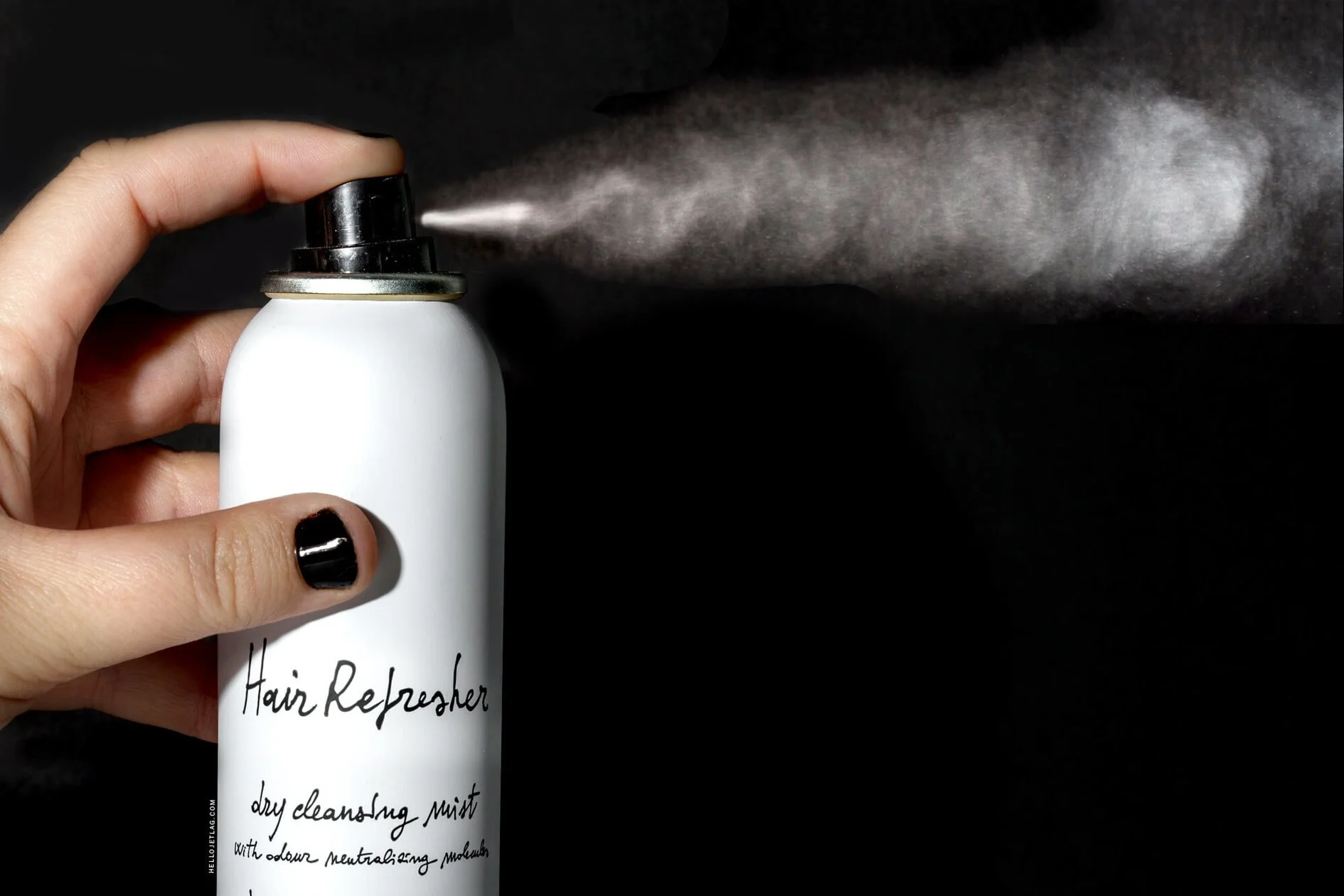
Hair Refresher Davines
Davines Hair Refresher is a discreet mist that helps lift roots and absorb oil between salon visits, which is especially useful when you're navigating subway commutes or fitting in an evening out after a midday appointment. Tuck a travel-size into your bag to restore volume and that just-styled feel without needing to schedule another visit.
Davines is the main beauty brand we use and trust at The Salon Project — shop it in-salon or online.
Shop Davines in-salon or online →
Consultation, Patch Tests, and Booking Tips
A strong consult sets the tone. Here’s what a complete consult should include:
- Hair history: prior color, keratin‑style treatments, medication, and heat habits
- Goal setting: shade, placement, finish (glossy vs. matte), and maintenance plan
- Timeline: today’s service and the 1–2 follow‑ups needed for major changes
Patch and strand tests
A patch test checks for sensitivity to color formulas. A strand test previews how your hair lifts or accepts pigment. We tested tricky transformations and found strand tests reduce surprises, especially for box‑dyed or very porous hair.
Booking tips
- Book a consult or express blow‑dry first if you’re unsure—it’s a low‑risk meet‑and‑greet.
- For peak hours, rebook before leaving. Popular stylists fill 4–6 weeks out.
- If you need a quick tune‑up, this walk‑in guide explains wait times and etiquette.
Salon Etiquette and What to Bring
Manhattan hair salons run on tight schedules. Small prep steps protect your time and results.
- Arrive with hair detangled and dry unless told otherwise.
- Bring photos, your current product list, and any allergies/sensitivities.
- Wear a top with a neckline you don’t mind getting product on.
- If you’ll be on calls, bring earbuds and let your stylist know upfront.
Maintain Results: Aftercare That Extends Your Style
Manhattan water, heat, and UV can fade color or swell frizz fast. A good aftercare plan extends time between visits.
- Wash schedule: Every 2–3 days for most; use sulfate‑free cleansers for color.
- Heat: Keep tools at 300–325°F for fine/medium hair; 350°F max for coarse.
- Tone: Use a color‑safe mask or gloss between visits to refresh shine.
- Protection: A microfiber towel and silk pillowcase reduce friction and frizz.
If you like to align your maintenance with citywide trends and seasonality, editorial features about NYC hair can cue when to shift from bold highlights to glosses for shine preservation (seasonal NYC hair trend notes).
Red Flags to Avoid and Questions to Ask
Here are common signals we advise guests to watch for when comparing Manhattan hair salons:
- Vague timing or unclear pricing for multi‑step services
- No discussion of maintenance or grow‑out strategy
- No strand test suggested for dramatic color shifts
- Hard sell on add‑ons without explaining the benefit
I’ve found that a stylist who happily explains trade‑offs—price, time, and hair health—is far more likely to deliver repeatable results. If your service plan involves smoothing or color work, confirm that salon products align with your sensitivities. We use Davines color‑care and styling in services, and can tailor formulas for scalp comfort when needed.
Key Takeaways
- Manhattan hair salons differ by specialty—match the stylist’s niche to your goal and insist on a real consultation.
- Prices vary by time and complexity; clarify what’s included and plan maintenance to avoid “surprise” costs.
- Aftercare matters: gentle cleansers, heat protection, and a periodic mask help you stretch results between visits.
Frequently Asked Questions
How far in advance should I book a Manhattan salon appointment?
Most stylists book 3–4 weeks ahead; sought‑after colorists may fill 4–6 weeks in peak seasons. If you’re targeting weekends or evenings, rebook before you leave. For quick maintenance, some salons keep daytime holds, but those go fast.What services do Manhattan hair salons usually include?
You’ll commonly find haircuts, single‑process color, highlights/balayage, glossing, blowouts, smoothing treatments, and event styling. Many salons also offer scalp care and bond‑building add‑ons to protect hair during chemical services or after frequent heat styling.How much should I tip at a salon in Manhattan?
Guests often tip 18–25% based on service and complexity. If a team assists (e.g., colorist and finisher), some clients split the tip. Check payment options at check‑in—some locations accept digital tips while others are cash‑only.How do I know if a stylist is right for my hair type?
Look for consistent examples of your hair type and desired service in their portfolio. Ask how they’d adapt the cut or color to your lifestyle and maintenance tolerance. A brief consultation should cover face shape, growth patterns, and a practical home‑care plan.What’s the difference between balayage and traditional highlights?
Traditional highlights use foils to isolate sections and lift evenly, often for brighter, higher‑contrast results. Balayage is hand‑painted for softer transitions and lower‑maintenance grow‑out. Your choice depends on desired brightness, placement, and how often you’re willing to maintain the look.
Conclusion
Manhattan hair salons thrive on specialization, timing, and clear communication. When you match a stylist’s niche to your goals, confirm the maintenance plan, and follow simple aftercare, you’ll get results that last. Keep the essentials in mind—consultation quality, transparent pricing, and realistic upkeep—and you’ll enjoy consistent, city‑proof hair.