
Moisturizing Balms: Essential Skincare for Every Need
Moisturizing balms are skincare products designed to provide deep hydration and address specific skin concerns like dryness and irritation. These balms act as protective layers, locking in moisture and enhancing overall skin health with their nourishing properties.
Whether you're a skincare novice or a seasoned enthusiast, understanding the versatility of moisturizing balms can elevate your routine. In the following sections, we'll dive into the benefits of these balms, the variety available, and practical advice for choosing the best one for your skin type.
Table of Contents
- Key Benefits of Using Moisturizing Balms
- Different Types of Moisturizing Balms
- How to Choose the Right Balm for Your Skin Type
- Application Tips and Best Practices
- Common Ingredients in Moisturizing Balms
- DIY Recipe for a Homemade Moisturizing Balm
- Key Takeaways
- Frequently Asked Questions
Featured Brand · Davines
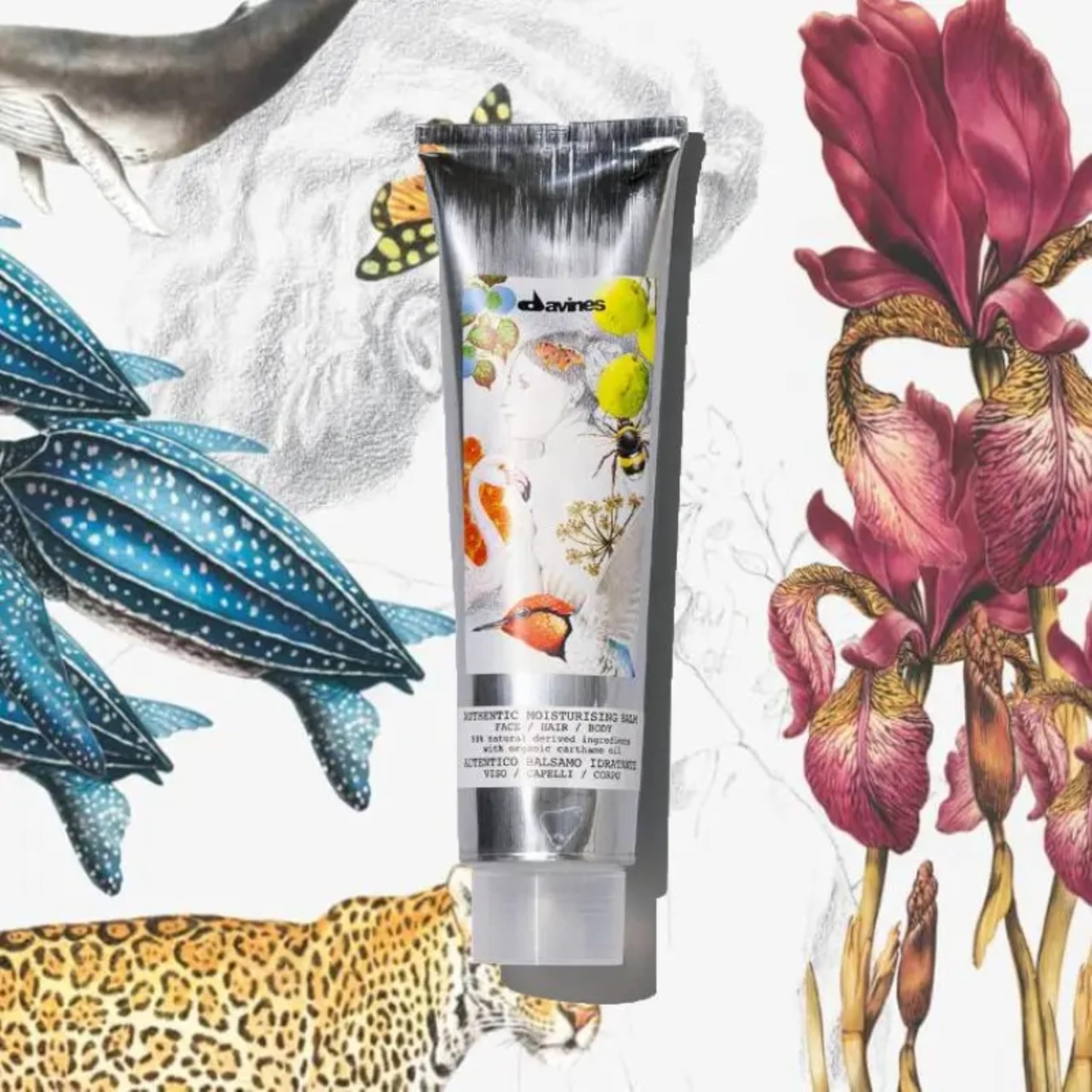
Moisturizing Balm Davines
Davines is the main beauty brand we use and trust at The Salon Project — shop it in-salon or online.
Shop Davines in-salon or online →
Key Benefits of Using Moisturizing Balms
Moisturizing balms provide several key benefits for skin health:
- Intensive Hydration: These balms offer deep moisturization, ideal for combating dry and flaky skin.
- Barrier Protection: They form a protective layer that locks in hydration and shields the skin against environmental stressors.
- Soothe Irritations: With soothing ingredients, balms can help reduce redness and calm irritated skin.
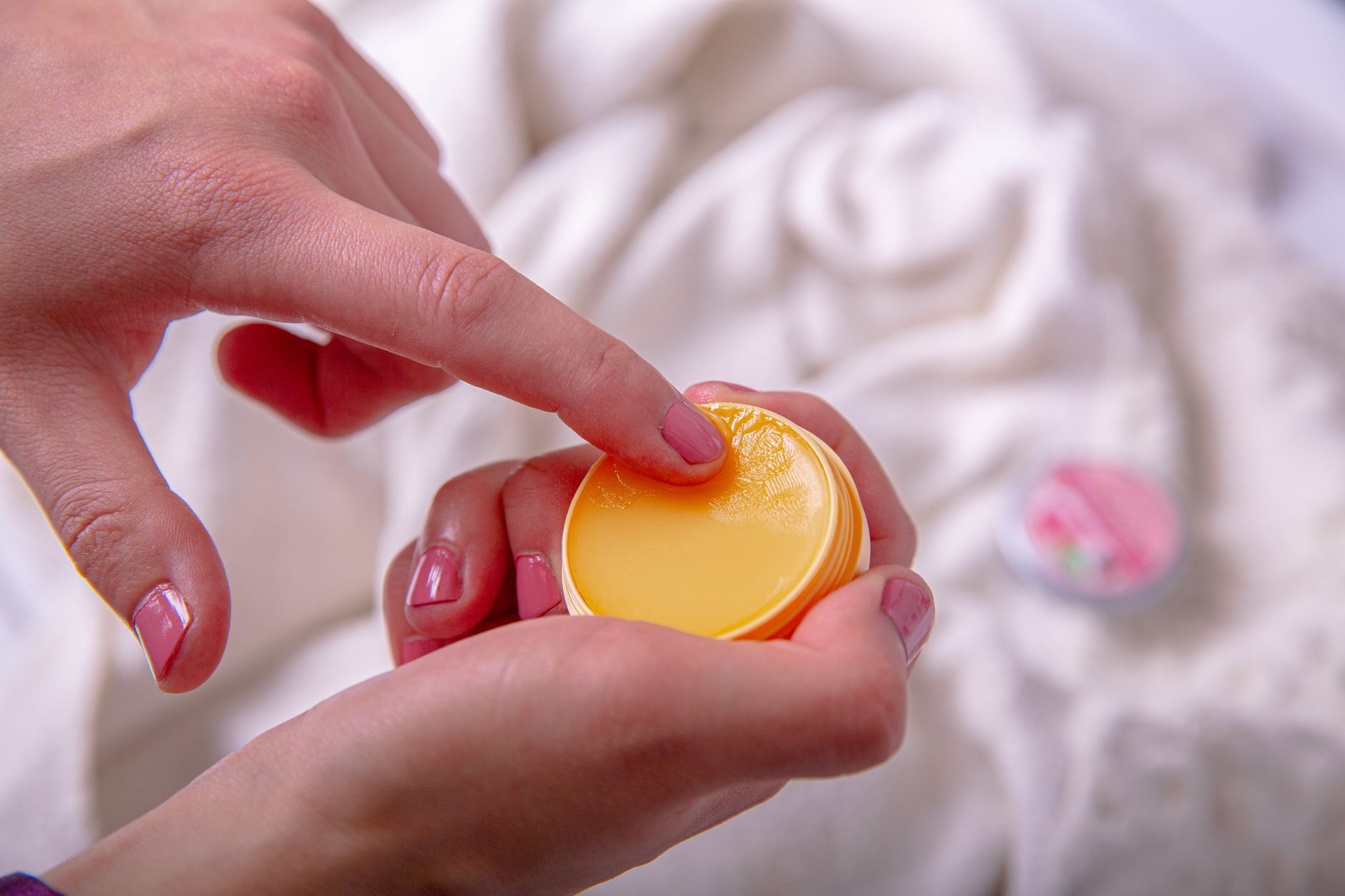
Different Types of Moisturizing Balms
Moisturizing balms come in many forms, each catering to unique skin needs:
- Oil-Based Balms: Ideal for very dry skin, providing intense hydration.
- Gel Balms: Lightweight and great for oily skin types, offering moisture without greasiness.
- Water-Based Creams: Good for combination skin, balancing moisture and oil.
How to Choose the Right Balm for Your Skin Type
Selecting the right moisturizing balm requires understanding your skin's needs:
Research from scientificamerican.com suggests prioritizing balms with minimal synthetic additives to reduce irritation risks.
Application Tips and Best Practices
Applying a moisturizing balm effectively enhances its benefits:
- Cleanse First: Ensure skin is clean and slightly damp for better absorption.
- Use Sparingly: A small amount often suffices, spreading thinly across affected areas.
- Regular Application: Consistency, especially in the morning and evening, yields the best results.
Common Ingredients in Moisturizing Balms
Understanding common ingredients helps in making informed choices:
- Shea Butter: Known for its emollient properties, providing deep hydration.
- Beeswax: Helps create a protective barrier on the skin.
- Essential Oils: Offer additional benefits like soothing inflammation or providing a pleasant scent.
DIY Recipe for a Homemade Moisturizing Balm
Creating your own moisturizing balm can be both economical and customizable:
Ingredients:
- 1/4 cup shea butter
- 1/4 cup coconut oil
- 2 tablespoons beeswax
- Essential oils of choice (like lavender or chamomile)
Our team found this recipe to be simple and effective, offering personalized skincare at home.
Key Takeaways
- Moisturizing balms are versatile, deeply hydrating, and ideal for tackling various skin issues.
- Different types of balms cater to specific skin needs, from dryness to oiliness.
- Ingredient awareness is crucial for selecting the right balm.
- DIY balms offer a natural and personalized skincare solution.

Frequently Asked Questions
What are the benefits of using a moisturizing balm?
Moisturizing balms provide intense hydration, form a protective barrier to lock in moisture, and help soothe and calm irritated skin.
How do I choose the right moisturizing balm for my skin?
Consider your skin type and specific concerns such as dryness or sensitivity, then review the ingredient list for natural, soothing elements.
Can I use moisturizing balm on oily skin?
Yes, choose water-based or gel-type balms that offer hydration without greasiness, helping balance oily skin.
Are DIY moisturizing balms effective?
DIY balms can be effective as they allow customization with preferred, natural ingredients while being cost-effective.
How often should I apply a moisturizing balm?
For optimal results, apply twice daily, in the morning and evening, to maintain consistent hydration.
Incorporate a moisturizing balm into your skincare routine to address unique skin needs while ensuring hydration and protection from daily environmental stressors.