
New York Style Guide: Beauty, Culture, and Neighborhood Tips
New York is a five-borough powerhouse of culture, fashion, and nonstop movement. This guide gives you the essentials—how the city is laid out, which neighborhoods match your vibe, when to visit, how to get around, and how to keep your style intact—so you can plan confidently.
New York delivers energy and endless choice. If you’re visiting or settling in, understanding the boroughs, seasons, and transit will shape your days—and your wardrobe. The Salon Project’s team lives the pace daily; in our experience, a few local tactics make the difference between feeling rushed and feeling at home in New York.
Table of Contents
- What Is New York? Layout, boroughs, and basics
- Neighborhoods of New York: how to pick your base
- Seasons in New York: weather, hair, and packing
- Getting around New York: subway, walking, timing
- Culture and etiquette: pace, safety, tipping, and manners
- Style and beauty in New York: street trends and hair care
- Key Takeaways
- Frequently Asked Questions
What Is New York? Layout, boroughs, and basics
New York City is a five-borough metropolis—Manhattan, Brooklyn, Queens, The Bronx, and Staten Island—connected by bridges, tunnels, and ferries. That structure shapes commutes, culture, and neighborhoods. For orientation and civic info, the city’s official website and this concise city summary are reliable starting points.
Definition statement: A borough is a primary administrative division of New York City, each functioning as a county with its own neighborhoods and distinct character.
- Manhattan: business core, dense culture, and iconic landmarks
- Brooklyn: creative communities, waterfront parks, and family hubs
- Queens: global food scene, major airports, and spacious neighborhoods
- The Bronx: botanical gardens, stadiums, and historic districts
- Staten Island: suburban feel, green space, and ferry views

Neighborhoods of New York: how to pick your base
Choosing a home base narrows your choices and saves hours. We found that aligning your neighborhood with your daily goals (museums, dining, shows, or parks) reduces transit time and decision fatigue.
Actionable steps to select your area:
- Define your anchors: 2–3 places you must see each day
- Map them, then pick a neighborhood within a 20–30 minute transit radius
- Check noise levels and late-night options if you value quiet vs. nightlife
- Plan one cross-town day at most; the rest should cluster naturally
- Culture-first: Midtown to Upper East/West for museums and central access
- Creative scene: Downtown Manhattan or northern Brooklyn for galleries and dining
- Family-friendly: Park-adjacent pockets in Brooklyn or Queens
Seasons in New York: weather, hair, and packing
New York’s seasons change how you move, what you wear, and how your hair behaves. The official state site has seasonal resources that help align plans with festivals, holidays, and weather advisories.
H3: Weather by season
- Spring (Mar–May): cool-to-mild; rain common. Pack layers and a compact umbrella.
- Summer (Jun–Aug): hot, humid; sudden downpours. Lightweight fabrics and anti-frizz essentials matter.
- Fall (Sep–Nov): crisp air, variable temps; ideal for walking and outdoor events.
- Winter (Dec–Feb): cold; wind-chill on avenues. Insulated outerwear and moisture-locking hair care help.
- Shoes: broken-in sneakers and one dressier pair
- Outerwear: a wind-stopping layer, even in spring
- Bag: crossbody with a zipped pocket for transit cards
- Beauty: oil-absorbing sheets, travel brush, and a humidity-defense serum

Featured Brand · Davines
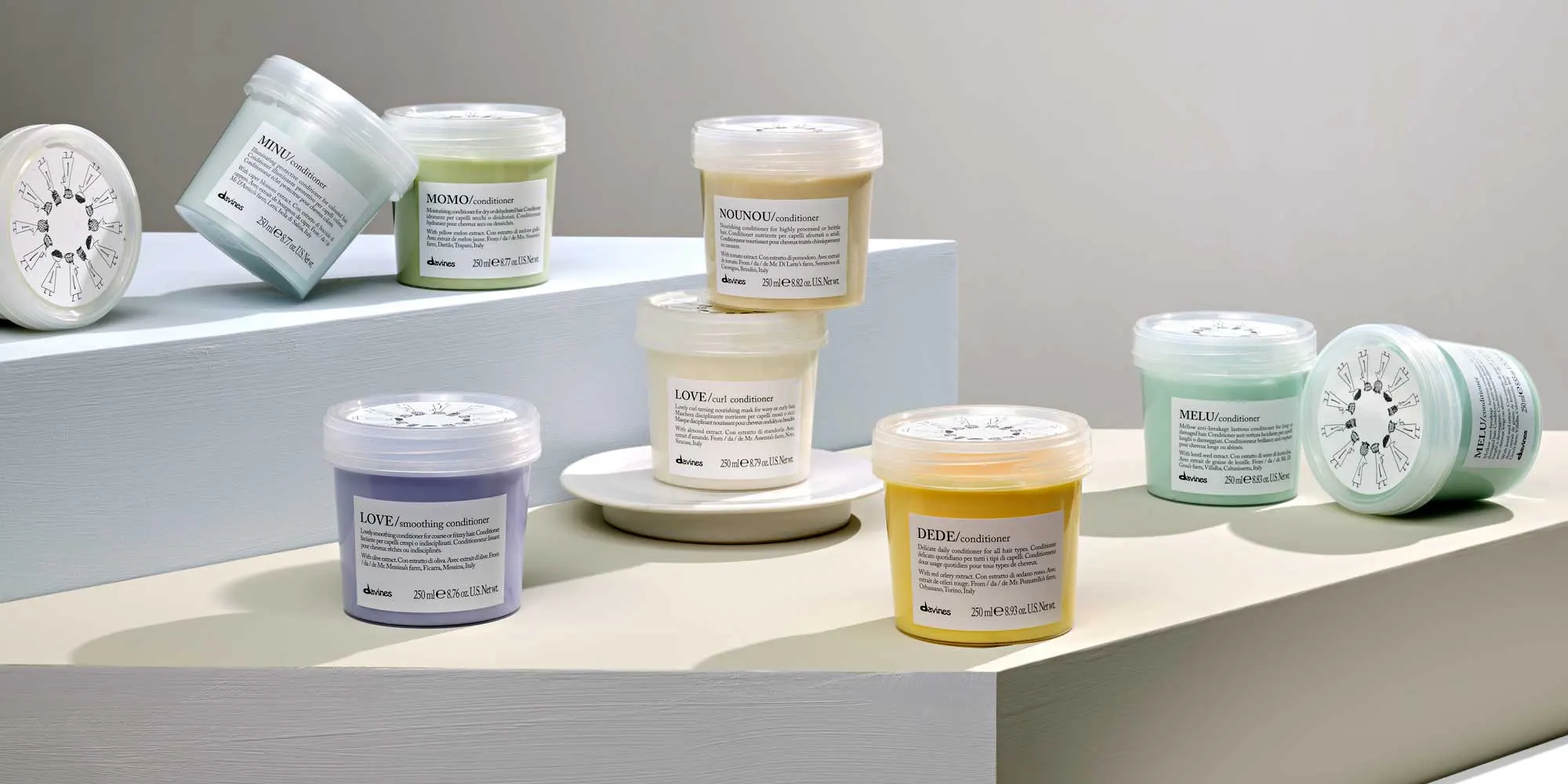
DEDE Conditioner Davines
In New York's mix of changing seasons and daily commutes, hair can easily feel dry or tangled by the end of the day. Davines DEDE Conditioner adds lightweight moisture and softness without weighing hair down, a small help for strands exposed to subway rides, city air and frequent styling. It slips neatly into a tote or desk drawer, so it feels like an easy, low-effort way to keep hair manageable between streets and stations.
Davines is the main beauty brand we use and trust at The Salon Project — shop it in-salon or online.
Shop Davines in-salon or online →
Getting around New York: subway, walking, timing
The fastest way between boroughs is often the subway; walking shines inside neighborhoods. For official maps, alerts, and services, refer to the city’s main portal. We tested timing from Midtown to Brooklyn at rush hour vs. mid-day and saw travel time swing by 1.5x—planning your window matters.
Actionable transit tactics:
- Pre-plan two routes: your preferred line and a backup bus or walk option
- Build 10–15 minutes of buffer for transfers and platform waits
- Use street corners (SW/NE, etc.) to meet; avenues and streets can be long
- For late-night returns, choose well-lit avenues and active stations
Culture and etiquette: pace, safety, tipping, and manners
New York is direct, helpful, and fast. Sidewalks move like highways: stand right, pass left, and step aside to check your phone. According to the New York City overview, about 36% of residents are foreign-born, which you’ll feel in language, food, and festivals.
Practical etiquette that locals appreciate:
- Lines: join the end, keep the queue tight, and be ready to order
- Subway: let riders off first; remove backpacks in crowded cars
- Tipping: 18–20% for sit-down dining; $1–2 per bag for bell/door if used
- Safety: stay aware at night; choose well-lit, populated routes
Style and beauty in New York: street trends and hair care
Style here mixes runway polish with real-world durability. Streetwear, tailored basics, and statement accessories rotate by season. For cultural background that shapes the scene, this in-depth city profile explains how finance, art, and media fuel trends, while ongoing regional reporting tracks neighborhood-level shifts.
What we’ve found works day to night:
- Build a base: dark denim or tailored trousers, breathable tee, light blazer
- Add one pop: scarf, shoe, or bag with color/texture
- Weather-proof hair: finish with a lightweight sealant to block humidity
- Pack a micro-kit: foldable brush, clips, and mini serum
> Pro Tip: In humid months, apply a pea-sized amount of LOVE SMOOTHING Serum Davines to damp ends, then diffuse on low. Finish with a cool shot to close the cuticle. I tried this on a misty July morning and the finish held through a full subway commute and a riverside walk.
Key Takeaways
- New York’s five-borough layout shapes travel time—cluster your plans to save hours.
- Seasons change style and transit: summer humidity and winter wind call for targeted hair and wardrobe choices.
- Etiquette is simple: move with purpose, be ready in lines, and let riders exit first.
- Subway plus walking beats traffic; build a 10–15 minute buffer for transfers.
- Light, humidity-resistant hair care keeps styles intact across long city days.
Frequently Asked Questions
What is the best time to visit New York?
Spring (April–May) and fall (September–October) offer mild weather and plenty of outdoor events. Summer brings heat and crowds; winter is colder but festive and less expensive after early January. Plan layers year-round and consider humidity-proof hair products in summer.How do I choose a New York neighborhood to stay in?
List your top 2–3 daily priorities, map them, and pick a neighborhood within a 20–30 minute transit radius. If nightlife matters, choose areas with late dining; if quiet is key, look near parks. Our Manhattan-focused guide highlights central, data-verified options for quick access.Is the New York subway safe at night?
It’s widely used, including late nights. Ride in busier cars, stay aware, and prefer well-lit stations and main avenues for transfers. Build 10–15 minutes of buffer so you’re not rushing. Check official updates on routes and service changes before you depart.How should I pack for New York humidity or winter wind?
For humid months, breathable fabrics and a small anti-frizz serum help. In winter, bring insulated layers and a wind-stopping shell; avenues can feel especially gusty. A compact hair kit—brush, clips, and a lightweight sealant—keeps styles intact across long walking days.What’s a typical tipping practice in New York?
For sit-down restaurants, 18–20% is standard. For cafes or counters, small cash tips or rounding up is common. Taxis and rideshares usually receive 15–20%. Building staff tips depend on service; $1–2 per bag is typical for luggage assistance.
Conclusion
New York rewards smart planning. Understand the five-borough layout, cluster your days by neighborhood, and adapt to the season—humidity in summer, wind in winter. Move with purpose, give yourself buffer time, and keep a simple, weather-ready style routine. With these local habits, New York feels less overwhelming and more like a city that works with you.