NYC Luxury Salon Guide: Services, Pricing, What Matters
A great NYC luxury salon balances expert technique, honest consultation, and precise aftercare planning. Expect specialized services for your hair texture and lifestyle, transparent pricing, and a stylist who explains upkeep. When these align, results last longer, look better in real life, and protect your hair health.
If you're weighing high-profile salons in Manhattan, this guide shows how to evaluate services, set realistic budgets, and avoid maintenance surprises. We'll also share what, in our experience, separates a good visit from a truly exceptional one—so you book with confidence and keep your hair in peak condition.
Table of Contents
- What counts as a luxury salon in NYC?
- How to choose the right stylist and service
- Expected pricing ranges and what affects cost
- Consultation checklist: questions to ask before booking
- Color, cut, and treatment trends that last
- Care between visits: pro routines that work
- Key Takeaways
- Frequently Asked Questions
What counts as a luxury salon in NYC?
A luxury salon is a professional hair studio that delivers advanced technique, consistent outcomes, and a refined client experience—from consultation to finish—using high-quality tools, color, and care protocols. Beyond décor, it’s defined by skill, service systems, and results that hold up in everyday light and across many hair types.
In our experience, standout indicators include:
- Specialists for texture, short cuts, long hair, and corrective color
- A structured consultation that covers goals, maintenance, and budget
- Portfolio work that shows consistency under natural light
- Clear aftercare instructions and product guidance
For a deeper look at what sets top-tier experiences apart, this primer on how to choose a luxury hair salon in NYC breaks down service quality signals and expectations.
How to choose the right stylist and service
Picking the right stylist is about matching their strengths to your goals and hair biology. Review portfolios for your texture and desired shape or color, not just trends. Then weigh lifestyle: do you heat-style daily or air-dry? Do you prefer 6-week, 8–10 week, or quarterly maintenance?
Match by texture and technique
- Curls and coils: Look for dry-cutting skill, hydration-first treatments, and shape control.
- Fine or fragile hair: Precision layering and bond-conscious color.
- Dense or coarse hair: Slide-cutting mastery and weight removal without frizz.
Match by lifestyle
- Low-fuss: Air-dry-friendly cuts, root-blended color, long-wear glosses.
- High-style: Strong shapes, strategic layers, and styling lessons to replicate the finish.
For city-specific logistics like hours, weekend availability, and transit, the Manhattan salon guide to prices and access helps plan realistic booking windows.
Expected pricing ranges and what affects cost
Premium pricing reflects training, time, and product quality. While rates vary across neighborhoods and experience levels, use ranges to plan:
- Haircut with senior talent: Often in the upper-mid to premium tier
- Gloss or toner refresh: Lower investment with high impact on finish
- Partial vs. full highlighting: Time and foil count drive price
- Corrective color: Multi-stage, quoted only after assessment
- Hair length, density, and previous color history
- Required color lift and bond-building steps
- Complexity of the finish (e.g., precision bob vs. long layers)
- Add-ons like detox, scalp therapy, or heat-protective treatments
Featured Brand · Davines
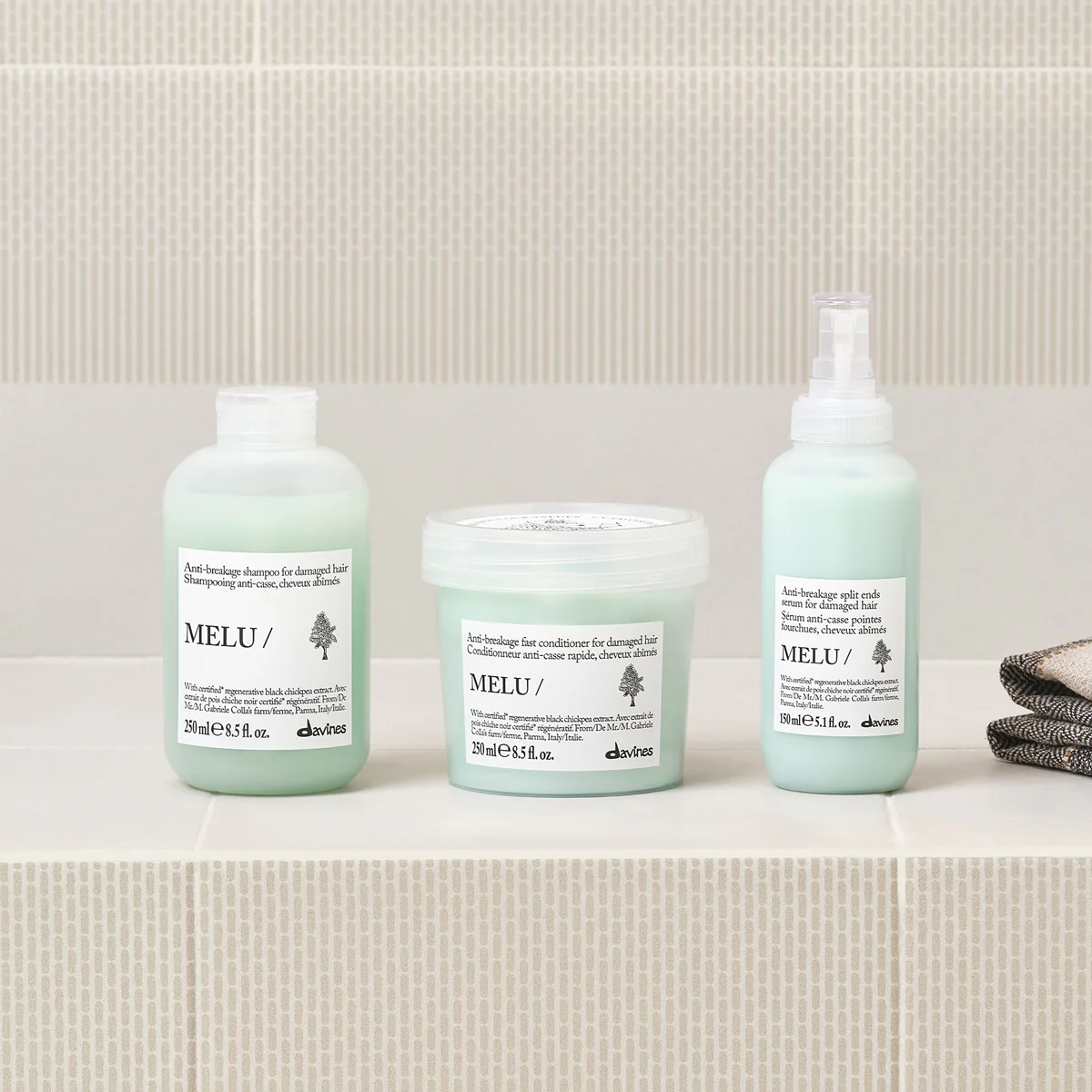
MELU Serum Davines
A few drops worked through towel-dried lengths tame frizz and help styled shapes last longer, so at-home upkeep feels as considered as your salon visit.
Davines is the main beauty brand we use and trust at The Salon Project — shop it in-salon or online.
Shop Davines in-salon or online →
Consultation checklist: questions to ask before booking
Bring clarity to your appointment with a short checklist. According to a 2024 beauty-industry survey, clients who prepared photos and maintenance questions were 2x more likely to report satisfaction with shape and tone longevity.
Ask these before you confirm:
Bring 3–5 reference photos you like and 1–2 you don’t. We found that contrasting images speed up alignment. Also, note non-negotiables: parting preference, fringe boundaries, and any “no warmth” or “no ash” feelings.
For brand identity and service philosophy considerations, this overview on building a winning salon identity outlines how strong concepts translate into consistent client outcomes.
> Pro Tip > Book a standalone consultation first if you’re considering a major change or color correction. A 15–20 minute assessment can prevent rushed decisions, refine the plan, and protect your budget.
Color, cut, and treatment trends that last
Trends come and go, but certain approaches age well and minimize maintenance.
- Root-blended highlights: Soft transitions extend the time between appointments.
- Dimension for brunettes: Micro-babylights and lowlights prevent flatness.
- Precision bobs and long-layered cuts: Structure holds shape as hair grows.
- Bond-building during lightening: Protects integrity for repeat services.
In my experience, shine services—like a clear or tinted gloss—deliver an outsized payoff. They boost reflection, refine tone, and seal the cuticle, often in under an hour, and they pair well with both natural and high-contrast color.
Care between visits: pro routines that work
Longevity depends on aftercare. A simple, consistent routine usually beats a complicated one you won’t follow.
Core steps we recommend:
- Cleanse smart: Use a gentle shampoo and don’t overwash; focus on scalp.
- Protect daily: Apply a heat protectant before blow-drying or hot tools.
- Hydrate weekly: Mask or deep condition to offset city water and styling.
- Tone as needed: Use a color-safe gloss schedule to maintain shade.
If you’re curious about neighborhood convenience and appointment planning, here’s a practical primer on what a “salon on the square” setup can mean for access and timing.
Sample minimalist routine
- Wash 2–3x weekly; add a scalp-focused cleanse after heavy workouts
- Serum on mid-lengths/ends before detangling
- Heat protectant before any blow-dry or iron work
- Weekly mask; monthly gloss if your tone fades quickly
Key Takeaways
- Luxury is about skill, systems, and outcomes—not just décor
- A clear consultation and upkeep plan prevent surprises and overspend
- Prices reflect time, talent, and protection steps; ask for transparency
- Balanced aftercare and heat protection extend results and hair health
- Choose stylists by texture specialty and lifestyle fit, not trends alone