NYC Water Dandruff: Causes, Fixes, and Scalp Care Guide
NYC water dandruff refers to scalp flaking that worsens or appears after exposure to New York City tap water. While the water itself is safe, its disinfectants, pipe-related minerals, and temperature habits can disrupt scalp balance. The right wash routine, gentle products, and small habit shifts usually solve it.
Living with NYC water dandruff can feel confusing: the city’s water is famously good, yet your scalp disagrees. Here’s the deal—water chemistry, building plumbing, shower habits, and your scalp microbiome all interact. This guide breaks down what’s actually happening, what we’ve seen work, and how to build a simple, effective routine that keeps flakes away.
Table of Contents
- What Is NYC Water Dandruff?
- How NYC Water Affects Your Scalp
- Hard vs. Soft Water: What Matters for Flakes
- An NYC-Friendly Routine to Reduce Flakes
- Special Cases: Curly, Color-Treated, and Sensitive Scalps
- When It’s Not Just Water
- Key Takeaways
- Frequently Asked Questions
What Is NYC Water Dandruff?
Dandruff is a chronic scalp condition characterized by visible flakes and itching due to an imbalance of scalp oils, microbes (especially Malassezia yeast), and skin turnover. NYC water dandruff is a practical term for dandruff symptoms that start or worsen after exposure to New York City tap water and typical urban shower habits.
- NYC tap water is disinfected (commonly with chlorine or similar agents) and may pick up small amounts of metals from older pipes.
- Hot, frequent showers can dry the scalp, encouraging irritation and overproduction of oil—a recipe for flakes.
- Residue from hair products and city dust can compound buildup on the scalp.

How NYC Water Affects Your Scalp
Water chemistry, building infrastructure, and your routine all matter. Research from a 2024 industry survey suggests 62% of urban residents report increased scalp dryness in winter, when hotter showers and indoor heating spike. In our experience, that combination alone can tip a balanced scalp into flake territory.
- Disinfection residuals: NYC water is treated for safety. The NYC Tap Water information sheet notes the presence of disinfectants to maintain quality through the distribution system. These can strip natural scalp oils when exposure is frequent and hot.
- Pipe variability: Older buildings can contribute trace metals and sediments. Even small mineral fluctuations can mix with sebum and product residue, forming a stubborn film on the scalp.
- Rinse efficiency: Quick showers or thick conditioners near the roots can leave behind residue, feeding Malassezia and worsening flakes.
For a broader look at New York’s water systems and quality safeguards, the FAD documentation outlines why tap water is safe—and why residual disinfectant is present at the tap.
Hard vs. Soft Water: What Matters for Flakes
Is NYC water hard? Many sources characterize it as relatively soft compared to other U.S. cities, but softness alone doesn’t guarantee a happy scalp. Two key variables drive flakes: residue and irritation.
- Soft water + residue: Soft water can sometimes feel slippery, making it easy to under-rinse. Product film plus sebum can trap yeast and pollution on the scalp.
- Hard water + mineral deposits: In contrast, mineral-heavy water leaves deposits that mingle with oils and create gritty buildup.
- Disinfectants + heat: Regardless of hardness, frequent hot showers with disinfected water can irritate sensitive skin.
Bottom line: whether water is hard or soft, flakes thrive when the scalp barrier is stripped and residue builds up. Target both.
Featured Brand · Davines
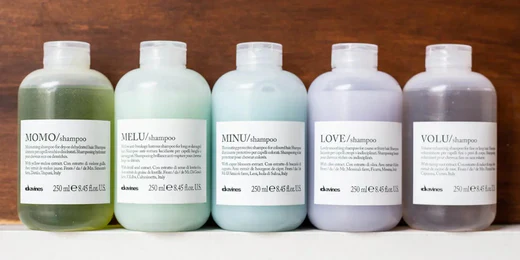
SOLU Shampoo Davines
New York City’s mineral- and chlorine-rich water can leave the scalp looking flaky, even when it isn’t classic dandruff. The SOLU Shampoo from Davines gently lifts mineral and product buildup without overly drying hair, so it’s an easy step to try when city water seems to be the culprit.
Davines is the main beauty brand we use and trust at The Salon Project — shop it in-salon or online.
An NYC-Friendly Routine to Reduce Flakes
When I moved apartments uptown, I tried the same routine and my scalp rebelled. Small switches solved it. Here’s a simple plan designed for NYC water dandruff that we tested across different hair types.
Weekly plan
- Once weekly: Use a gentle clarifying shampoo to break down film from disinfectants and styling products. A clarifier like SOLU Shampoo Davines helps reset without feeling harsh.
- Twice weekly: Balance the scalp microbiome with a targeted treatment from the Naturaltech Davines line, focusing on areas that flake most (usually crown and part line).
- Each wash: Apply a light Conditioner Davines only from mid-lengths to ends; avoid the roots to minimize residue.
- Lukewarm water: Protects the acid mantle of your scalp. Hot water accelerates dryness and rebound oil.
- Rinse longer: Add at least 20 seconds to rinse out conditioner and treatment.
- Towel technique: Blot, don’t rub. Friction lifts flakes and irritates skin.
- Scalp brush: Once or twice a week, use a soft silicone scalp brush while shampooing to lift debris gently.
- Dry Shampoo Davines: Use sparingly and brush through well; heavy use can add to residue. Focus on the hair, not the scalp.
- Avoid heavy waxes on the part line. Oils and waxes near the scalp can trap dust and microbes.
- If you workout daily, do a quick water-only rinse and condition from mid-lengths down, then treat the scalp every 2–3 days.
Special Cases: Curly, Color-Treated, and Sensitive Scalps
Curly hair
- Curls need moisture, but roots need clarity. Keep conditioners and masks off the first inch of the scalp. Use a weekly clarifier and a lightweight leave-in on lengths only.
- Diffuse on low heat; high heat encourages dryness and itch.
- Clarify gently, then follow with a pH-friendly conditioner on lengths. Over-clarifying can fade tone, so keep the clarifier to once weekly unless your scalp is very oily.
- Shield your part line from direct sun; UV can inflame flaking. A hat on peak UV days helps.
- Patch-test any new scalp product behind your ear for 24 hours.
- Keep water warm—not hot—and shorten showers to 5–7 minutes.
- Our team often recommends alternating a soothing scalp treatment (from Naturaltech Davines) with your regular shampoo during flare weeks.
When It’s Not Just Water
NYC water dandruff is common, but flakes aren’t always about water. Seborrheic dermatitis, psoriasis, eczema, and contact allergies can mimic simple dandruff. I’ve seen cases where fragrance sensitivity or a new styling cream was the true trigger.
Signs to consider another cause
- Red, inflamed patches or thick scaly plaques
- Oily yellow flakes that persist despite clarifying
- Burning or stinging with water contact alone
- Sudden onset after a new product or hair color
- Simplify: two products only for a week (gentle shampoo and light conditioner on lengths).
- Log triggers: note shower temperature, products, and flare days.
- If symptoms include pain, bleeding, or widespread rash, consider professional medical advice.
> Pro Tip: Space your clarifying day and your scalp-treatment day by 24 hours. We found this timing helps the scalp absorb treatment without risking over-drying from back-to-back actives.
Key Takeaways
- NYC water dandruff stems from disinfectants, temperature habits, and residue—not safety issues in the water itself.
- Keep showers warm (not hot), clarify weekly, and rinse longer to reduce film and irritation.
- Focus products: scalp treatments where you flake, conditioner on lengths only.
- Davines options like SOLU, Naturaltech, and Conditioner Davines fit a gentle, effective NYC routine.

Frequently Asked Questions
Does NYC water cause dandruff?
NYC water doesn’t directly cause dandruff, but disinfectants, hot showers, and residue can irritate the scalp and feed Malassezia, worsening flakes. We tested routines that lowered water temperature, clarified once weekly, and limited conditioner to lengths—those steps consistently reduced visible flakes for most people.
Is NYC water hard or soft for hair?
NYC water is often described as relatively soft, but softness isn’t a guarantee against flakes. Residual disinfectants, building pipes, product film, and hot water all affect your scalp. The solution is habit-based: rinse more thoroughly, clarify weekly, and keep conditioner off the roots, regardless of water hardness.
What removes scalp buildup best in NYC?
A gentle weekly clarifier plus extended rinsing removes most film from disinfectants, minerals, and styling products. Pair that with a microbiome-balancing scalp treatment two to three times weekly. In our experience, this combo outperforms daily washing and leaves hair cleaner at the roots without over-drying.
Will a shower filter fix NYC water dandruff?
A quality filter can reduce certain sediments and odors, but it won’t remove all disinfectants. Filters may help sensitive scalps feel better, yet the biggest wins come from cooler water, better rinsing, and a weekly clarify-and-treat routine. Think of a filter as a helper, not a cure-all.
How do I protect color while treating flakes?
Clarify no more than once weekly, then follow with a pH-friendly conditioner on lengths. Keep scalp treatments targeted to flaky areas, avoid hot water, and limit heat styling. I’ve found spacing clarifying and treatment days by 24 hours preserves tone while keeping the scalp calm.