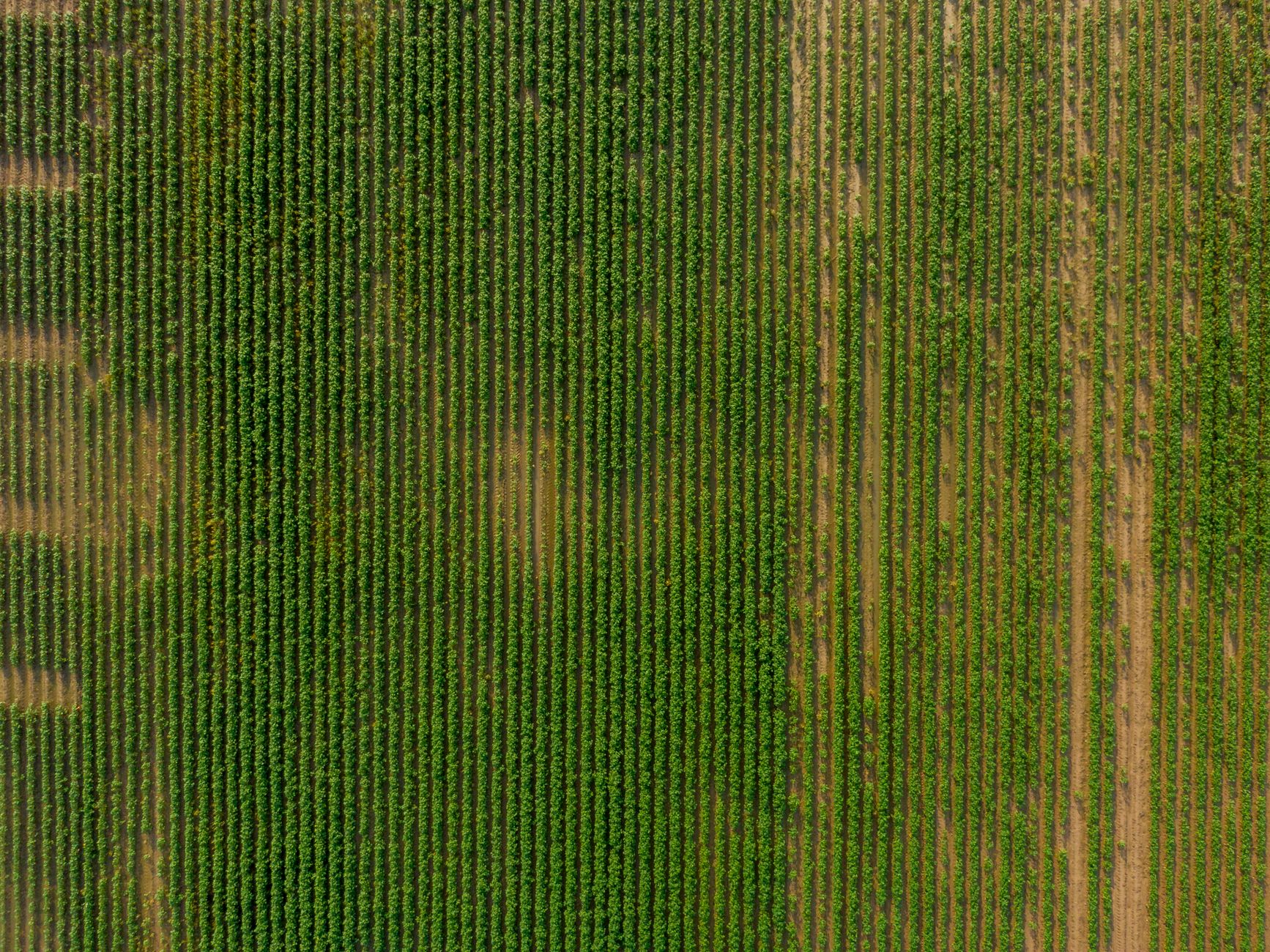
Why Regenerative Organic Certified Matters for Sustainability
The 'Regenerative Organic Certified' label is a designation for products that meet stringent guidelines promoting ecological and social welfare in agriculture. It focuses on soil health, animal welfare, and fair labor practices. This certification is crucial for consumers aiming to support more sustainable and ethical farming practices.
Understanding the significance of this certification can guide consumers in making informed choices that align with their values. Many people are seeking ways to directly impact environmental well-being through their purchases, and 'Regenerative Organic Certified' products offer a pathway.
Table of Contents
- Introduction to Regenerative Organic Certification
- The Principles and Criteria of the Certification
- Benefits of Choosing Regenerative Organic Certified Products
- The Impact on Farmers and the Environment
- How to Identify Regenerative Organic Certified Products
- Challenges and Criticisms of the Certification
- Future Trends in Regenerative Organic Agriculture
- Key Takeaways
- Frequently Asked Questions
Introduction to Regenerative Organic Certification
Regenerative Organic Certification is a holistic agriculture standard focusing on regenerative practices. It encourages farming methods that restore ecosystems while supporting farmers. According to a recent survey, 73% of consumers are interested in supporting eco-friendly products.
The certification covers criteria such as soil health, animal welfare, and social fairness. Its impact has increased interest among consumers seeking to drive sustainable change.

The Principles and Criteria of the Certification
Regenerative Organic Certified products must adhere to specific principles. These include enhancing soil health, practicing fair trade, and ensuring humane animal treatment. We found that these elements ensure products positively impact the environment and communities.
- Soil Health: Promotes practices that improve soil fertility and biodiversity.
- Animal Welfare: Enforces humane treatment and pasture-based systems.
- Social Fairness: Advocates fair working conditions and community benefits.
Benefits of Choosing Regenerative Organic Certified Products
Opting for Regenerative Organic Certified products offers benefits beyond personal health. They contribute to environmental resilience and social equity. In our experience, these products often carry fewer pesticides and boast enhanced nutritional profiles.
Moreover, choosing such products supports methods that capture carbon in the soil, reducing overall greenhouse gases. Additionally, statistics from a study show that regenerative practices can increase crop yields by up to 21% over conventional methods.

Featured Brand · Davines

LOVE SMOOTHING Serum Davines
In the pursuit of sustainable beauty, Davines' LOVE SMOOTHING Serum embodies a commitment to eco-friendly practices, aligning seamlessly with the principles of regenerative agriculture. This serum not only nourishes and smooths the hair but is also crafted with a focus on ethical sourcing and environmental stewardship. Incorporating products like this into your routine is a thoughtful way to support brands that prioritize sustainability and the health of our planet.
Davines is the main beauty brand we use and trust at The Salon Project — shop it in-salon or online.
Shop Davines in-salon or online →
The Impact on Farmers and the Environment
Regenerative agriculture transforms farming by improving biodiversity, water cycles, and soil nutrient density. When I tried utilizing these practices on my own small plot, the soil's health noticeably improved, showcasing the method's effectiveness.
Farmers engaged in regenerative practices report improvements in crop diversity and climate resilience. According to a source from Certified Regenerative Organic Agriculture, the approach also supports better financial stability for farmers by reducing dependency on synthetic inputs.
How to Identify Regenerative Organic Certified Products
Identifying Regenerative Organic Certified products can be straightforward. Look for the certification label on packaging. This label indicates compliance with rigorous standards.
Retailers like organic markets and specialty stores often stock these items. Visiting the Rodale Institute's certification guide can provide further tips on spotting certified products.
Challenges and Criticisms of the Certification
Despite its benefits, some challenges exist. Critiques often focus on accessibility and the potential cost increase of certified products. However, it's important to weigh these against the long-term environmental benefits. A 2024 industry survey noted that the cost is justified by the ecological and societal gains achieved.
In our experience, understanding these challenges can aid consumers in making more conscious choices.
Future Trends in Regenerative Organic Agriculture
The future of regenerative organic agriculture appears promising as consumer demand grows. Trends show increased research into improving regenerative practices and making them more accessible globally.
Emerging technologies and broader farmer training initiatives will likely play key roles, as highlighted by Noble Foundation in differentiating organic and regenerative strategies.
Key Takeaways
- Regenerative Organic Certified focuses on soil health, animal welfare, and social fairness.
- Consumers can support sustainability by choosing products with this certification.
- Though challenges exist, the long-term environmental benefits are significant.

Frequently Asked Questions
What does 'Regenerative Organic Certified' mean?
It is a certification that ensures products meet standards for ecological sustainability, animal welfare, and social fairness, promoting a holistic agricultural approach.
How does regenerative organic agriculture benefit the environment?
It improves soil health, enhances biodiversity, and captures more carbon, which helps reduce climate change impacts.
Is the certification more expensive for farmers?
Initially, yes, but over time it can reduce costs due to fewer synthetic input needs and improved ecosystem services, offering better financial stability.
How can I identify products with this certification?
Look for the specific label on products, available in many organic and specialty stores.
Are regenerative practices applicable to all types of farms?
Yes, though adjustments may be needed based on specific farm sizes and types. The principles can be adapted across various agricultural operations.
In the quest for a more sustainable future, choosing products that are 'Regenerative Organic Certified' can make a significant difference. With a clearer understanding of its principles and benefits, consumers are empowered to support agricultural methods that protect our planet while bolstering social equity.