Salon Red Hair Guide: Shades, Skin Tones, Care, Prices
The phrase “salon red” usually means professional red hair color tailored by a colorist. It can also be the name of specific salons you’ll find in search. Here, we focus on expert shade selection, undertones, the in-salon process, pricing ranges, and maintenance—so your red looks vibrant and stays that way.
If you searched salon red, you’re in the right place. We’ll clarify the term, show a stylist-built shade library, and explain how to match red to your skin tone, eye color, and starting base. You’ll also see how The Salon Project approaches consultation and Davines-powered color care, plus real-client examples, a quick quiz, and maintenance timelines.
Table of Contents
- What Does 'Salon Red' Mean? A Quick Clarifier and What You'll Learn Here
- Choosing Your Red: Shade Chart and Undertones (Copper, Auburn, Cherry, Ginger, Vivid Reds)
- Match Your Red to Skin Tone, Eye Color, and Natural Base: A Stylist’s Framework
- In-Salon Process at The Salon Project: Consultation, Formulation, Application, and Gloss
- Service Options, Timing, and Pricing Ranges: Single Process vs. Balayage vs. Vivid
- Maintenance That Keeps Reds Vibrant: At-Home Care, Touch-Up Schedule, Fade Prevention
- Real-Client Inspo: Before/After Examples and Who Each Red Works Best For
- Key Takeaways
- Frequently Asked Questions
- Conclusion
What Does 'Salon Red' Mean? A Quick Clarifier and What You'll Learn Here
“Salon red” is commonly used two ways: 1) as shorthand for professional red hair color services and 2) as the brand name of salons you’ll see in results—like Salon Red or RED Salon & Spa. This guide addresses the first meaning: how to choose, achieve, and maintain expert-level red hair at The Salon Project.Definition: Salon red is a customized red hair color created by a professional colorist using tailored formulas, placement, and glosses to suit your complexion, eye color, and natural base.

Choosing Your Red: Shade Chart and Undertones (Copper, Auburn, Cherry, Ginger, Vivid Reds)
Finding the right red starts with undertone and depth. Reds live on a spectrum from orange-based to blue-based. Here’s a quick stylist shade chart.- Copper: Orange-leaning, bright and warm; great for fair to medium skin with warm/neutral undertones. Think sparkling penny.
- Auburn: Brown-red, deeper and soft; suits medium to deep skin and neutral/cool undertones.
- Cherry/Blue-Red: Cool-leaning, high-impact; flatters cool or neutral skin and dark natural bases.
- Ginger/Strawberry: Light, golden-red; ideal for fair skin and natural blondes.
- Vivid Reds: Highly saturated, often fashion-tone; works across skin tones when placement is customized.
Quick Quiz: Your Ideal Red + Service Type
- You tan easily and love warmth? Try copper or ginger. Service: single process or copper balayage.
- Your skin looks best in silvers and blues? Consider cherry or cool auburn. Service: single process with cool gloss.
- You want dimension and low maintenance? Auburn balayage or copper ribbons. Service: balayage + root melt.
- You want high-impact, editorial color? Vivid scarlet or ruby. Service: lightening + vivid overlay.
Match Your Red to Skin Tone, Eye Color, and Natural Base: A Stylist’s Framework
Matching red is part science, part artistry. Our team uses this framework at consultation:- Skin undertone
- Eye color
- Natural base and history
I’ve seen clients transform when undertone is dialed in by just one level—too orange or too blue can read unnatural. In my experience, neutralizing glosses every 4–8 weeks keep reds believable and expensive-looking.
For choosing a stylist and location fast, this guide on New York salons: how to choose the right one fast today can help you make a confident pick.

In-Salon Process at The Salon Project: Consultation, Formulation, Application, and Gloss
We start with a detailed consultation: goals, photos, lifestyle, maintenance budget, and hair history. Then we build a custom formula and placement plan. We use Davines color and care in services for shine and condition.Step-by-step
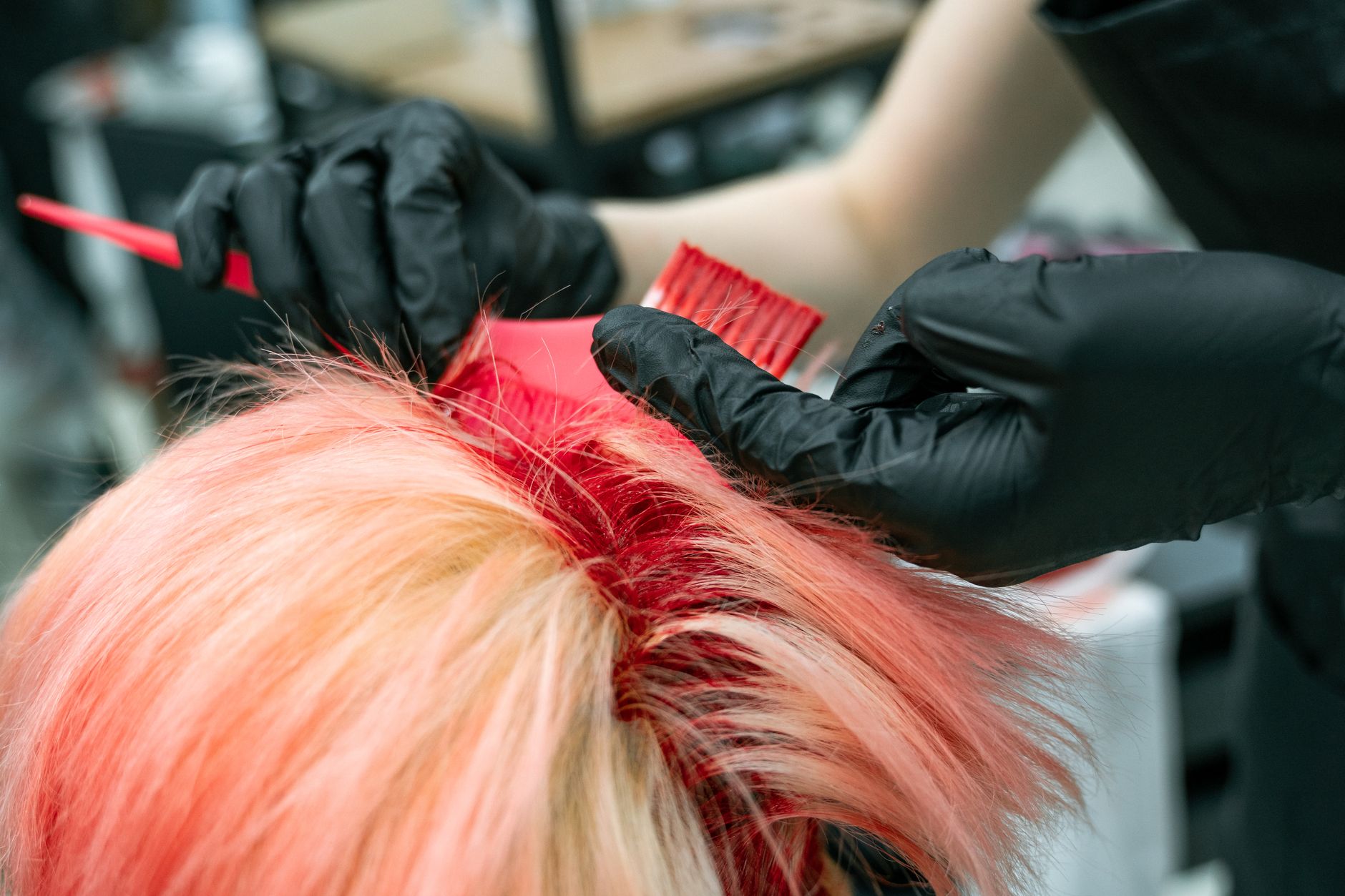
1) Consultation and strand check: assess porosity and undertone shifts. 2) Formulation: primary tone + support tones to counteract fade. 3) Application: single process, foils/balayage, or a vivid overlay based on the plan. 4) Gloss/toner: seals tone, refines warmth/coolth, adds reflection. 5) Finish and care plan: personalized routine, refresh schedule, and at-home tone support.We tested gloss intervals on frequent faders and found a 4–6 week refresh maintains depth without stacking warmth. For a smoother first visit, read our Salon First Visit Guide: What to Expect and Prepare.
Featured Brand · Davines
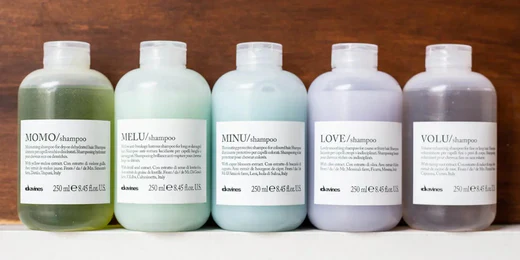
MINU Shampoo Davines
At The Salon Project, we often recommend MINU Shampoo from Davines to help keep salon red looking true between visits. Formulated for color-treated hair, it gently cleanses while helping lock in pigments and boost shine so warm and cool undertones read as intended. Pairing in-salon color work with a color-preserving shampoo like MINU is one of the simplest ways to extend vibrancy until your next appointment.
Davines is the main beauty brand we use and trust at The Salon Project — shop it in-salon or online.
Shop Davines in-salon or online →
Service Options, Timing, and Pricing Ranges: Single Process vs. Balayage vs. Vivid
Here’s how the main red services differ so you can plan upkeep and budget.- Single-process color (definition): a one-step application that alters the overall shade from roots through ends. Best for solid coppers, auburns, or cherry.
- Balayage/foilayage: hand-painted or foiled lightening to create dimension with red overlays.
- Vivid reds: pre-lighten to target level, then apply high-saturation red.
According to a 2024 industry survey, 58% of red color clients choose dimensional techniques (balayage/foils) to extend grow-out, while 42% prefer solid tones for impact and coverage. You may also see booking pages for similarly named salons in search, like Salon Red - Square; verify you’re selecting your intended salon before reserving.
Maintenance That Keeps Reds Vibrant: At-Home Care, Touch-Up Schedule, Fade Prevention
Red molecules wash out faster than browns—research from a peer-reviewed cosmetic science journal shows red tones can fade up to 2x faster than neutral browns due to larger dye molecules. That’s why disciplined care matters.- Shampoo/conditioner: Use color-safe formulas. We recommend MINU Shampoo Davines and MINU Conditioner Davines for gentle cleansing and shine.
- Weekly mask: MINU Mask Davines to fortify and seal the cuticle.
- Tone refresh: Alchemic Davines (Copper or Red) can subtly enhance warmth between visits.
- Wash less often: alternate with Dry Shampoo Davines.
- Heat control: low temps, heat protectant, and minimal passes.
- Sun/chlorine: protect with hats or SU Hair & Body Wash Davines post-beach.
For location specifics and timing at Roosevelt Field, our local overview is here: Roosevelt salon: Roosevelt Field hair guide + prices.
Real-Client Inspo: Before/After Examples and Who Each Red Works Best For
Real-world cases from The Salon Project show how base, undertone, and placement change the result.- Brunette to Auburn Balayage
- Dark Brown to Cherry Single Process
- Natural Blonde to Ginger
We found that clients who pre-book glosses keep tone consistency season to season.
You might also encounter other RED-branded salons online, such as RED Salon - Best Hair Salon in Mechanicsburg, PA. That’s different from “salon red” as a color family—use context clues to find color guidance versus a specific business.
Key Takeaways
- Salon red means customized professional red hair color; undertone and depth must match your complexion and base.
- The Salon Project uses tailored formulation and Davines care to boost shine, vibrancy, and hair health.
- Choose single process for solid impact, balayage for dimension, and vivids for editorial intensity.
- Reds fade faster; plan glosses every 4–8 weeks and use color-safe products at home.
Frequently Asked Questions
What is the difference between copper, auburn, and cherry?
Copper leans orange and bright, auburn mixes brown and red for a soft, natural feel, and cherry is cooler, blue-red, and high-contrast. Pick based on skin undertone and natural base: warm/olive suits copper, neutral/deep suits auburn, and cool/neutral often loves cherry.How long does salon red typically last?
Most reds look best with a gloss every 4–8 weeks. Single-process reds often need root retouches at 4–6 weeks, while balayage can stretch to 8–12 weeks. Wash less, use color-safe care, and protect from heat/UV to extend vibrancy between appointments.Will going red damage my hair?
Any chemical service changes the cuticle, but professional formulation, controlled processing, and bond-supportive care minimize damage. Strategic glossing and a routine with nourishing masks keep hair strong. Our team adjusts timing and developer strength based on your hair history.Can brunettes or blondes go red in one session?
Natural blondes often shift to strawberry or copper in one visit. Medium to dark brunettes may need pre-lightening for vivid or cherry tones. Your path depends on existing color and porosity; corrective steps are planned during consultation for predictable results.How do I book the right red service?
Decide on finish (solid, dimensional, vivid) and your upkeep window. If you’re unsure, book a consultation or a single-process with extra time for glossing; your colorist can pivot. Photos of your goal and hair-in-daylight help us formulate on the spot.