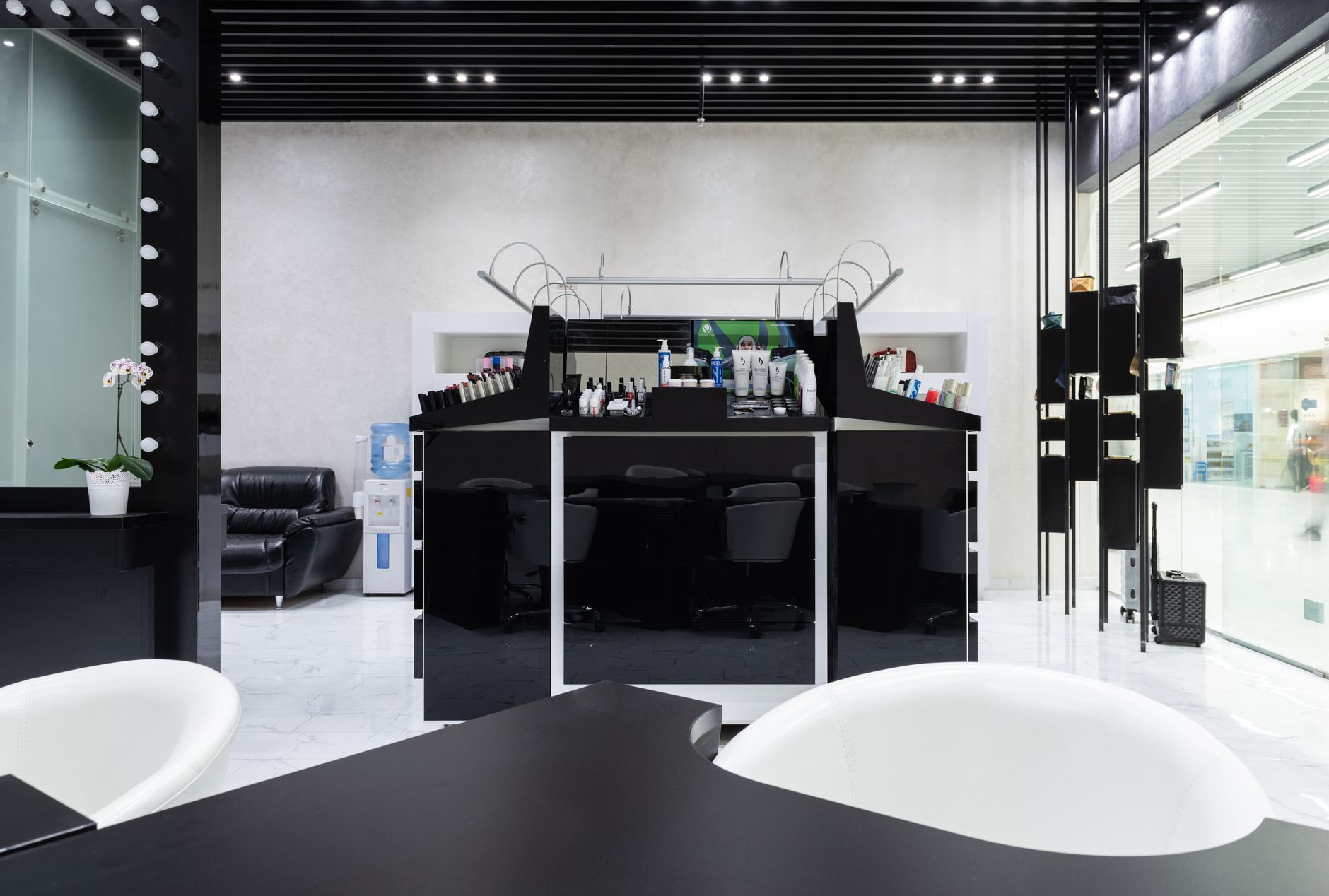
Salon World Guide: Trends, Services, Prices, and Tips
The salon world is the ecosystem of professional hair and beauty services—people, practices, products, pricing, and trends that shape every visit. It covers how salons operate, what services cost, who does what, and how to book smarter so you leave with healthy hair that fits your lifestyle.
If you’re curious about how the salon world works, you’re not alone. From booking and consultations to color techniques and aftercare, this guide explains the essentials in plain language. In our experience at The Salon Project, a little insider knowledge saves money, prevents stress, and leads to better hair outcomes.
Table of Contents
- What is the salon world?
- How the salon world actually works
- Services, timing, and pricing in the salon world
- Booking smarter in the salon world
- Trends shaping the salon world in 2026
- Salon suites, commissions, and independent pros
- Key Takeaways
- Frequently Asked Questions
What is the salon world?
The salon world is the interconnected space of stylists, colorists, assistants, reception, managers, and clients—supported by education, sanitation standards, scheduling systems, and professional products. It’s where technique meets consultation, and where trends are adapted to real hair goals, budgets, and maintenance levels.Definition: Balayage is a freehand hair-painting technique that creates natural, sun-kissed dimension with softer grow-out than traditional foil highlights. It’s ideal for low-maintenance brightness and can be customized for all hair textures.
Real-world example: If you want “lived-in blonde,” a colorist may combine balayage on the surface, foils around the face, and a gloss for tone and shine. Our team customizes sectioning and developer strength to protect hair integrity while meeting your brightness target.
According to a 2024 industry survey, 71% of clients said a clear consultation improved satisfaction with their color results. That aligns with what we found—clarity before mixing a single bowl reduces corrections later.
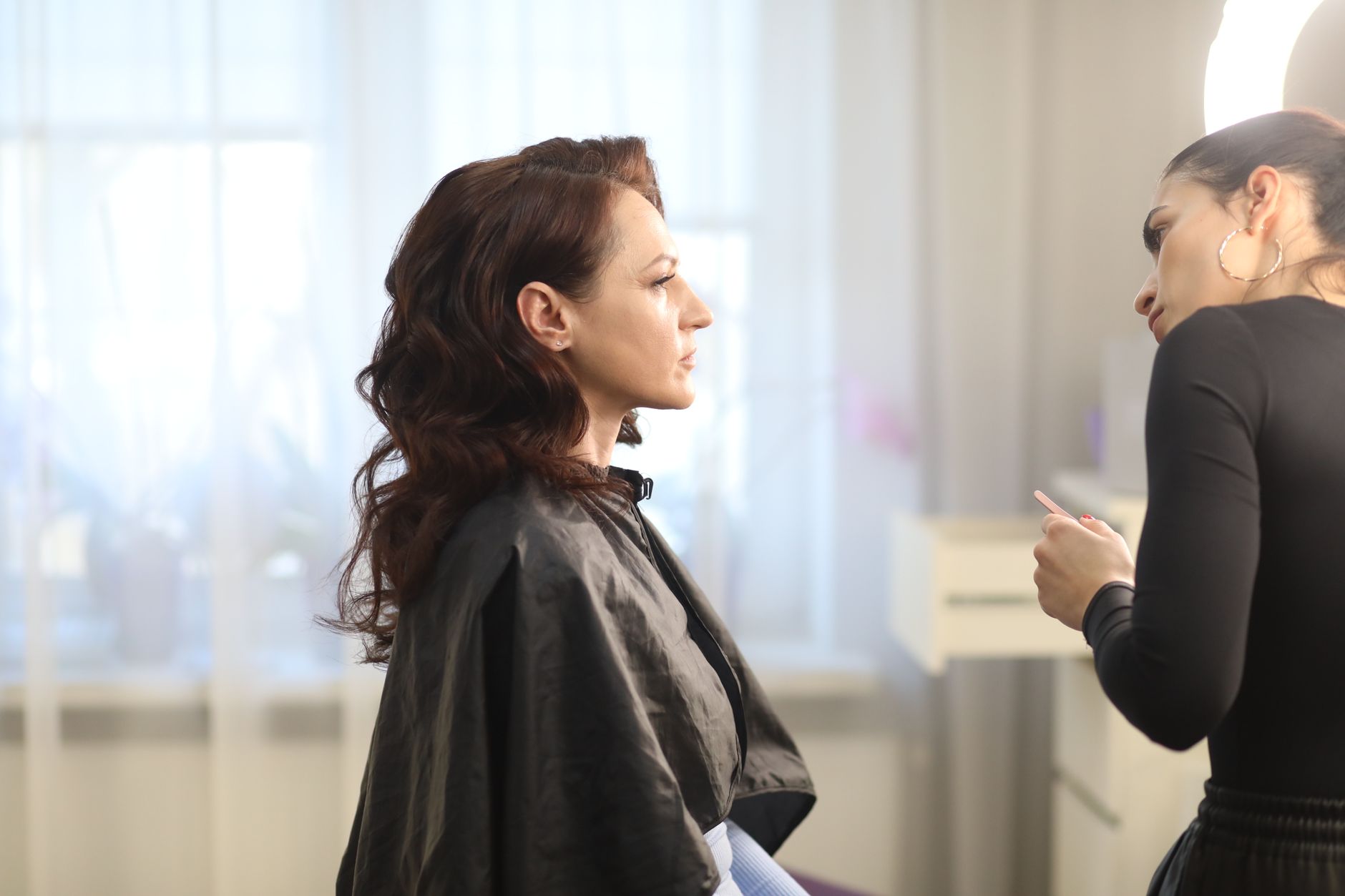
How the salon world actually works
Salons generally run on appointment blocks, service menus, and tiered stylist levels that reflect experience. Assistants help with shampoos, toners, and blowouts while learning; reception manages booking and timing; managers oversee quality and safety protocols.- Training: Stylists typically complete formal schooling plus in-salon apprenticeships or advanced classes. In our experience, ongoing education is what keeps color predictable and styling polished.
- Sanitation: Tools are cleaned and disinfected between clients; capes and towels are refreshed; bowls and brushes are sanitized. You should see labeled disinfectants and covered containers at stations and sinks.
- Timing: Color services stack—processing overlaps with cuts and other clients. That’s normal as long as your stylist checks on you at agreed intervals.
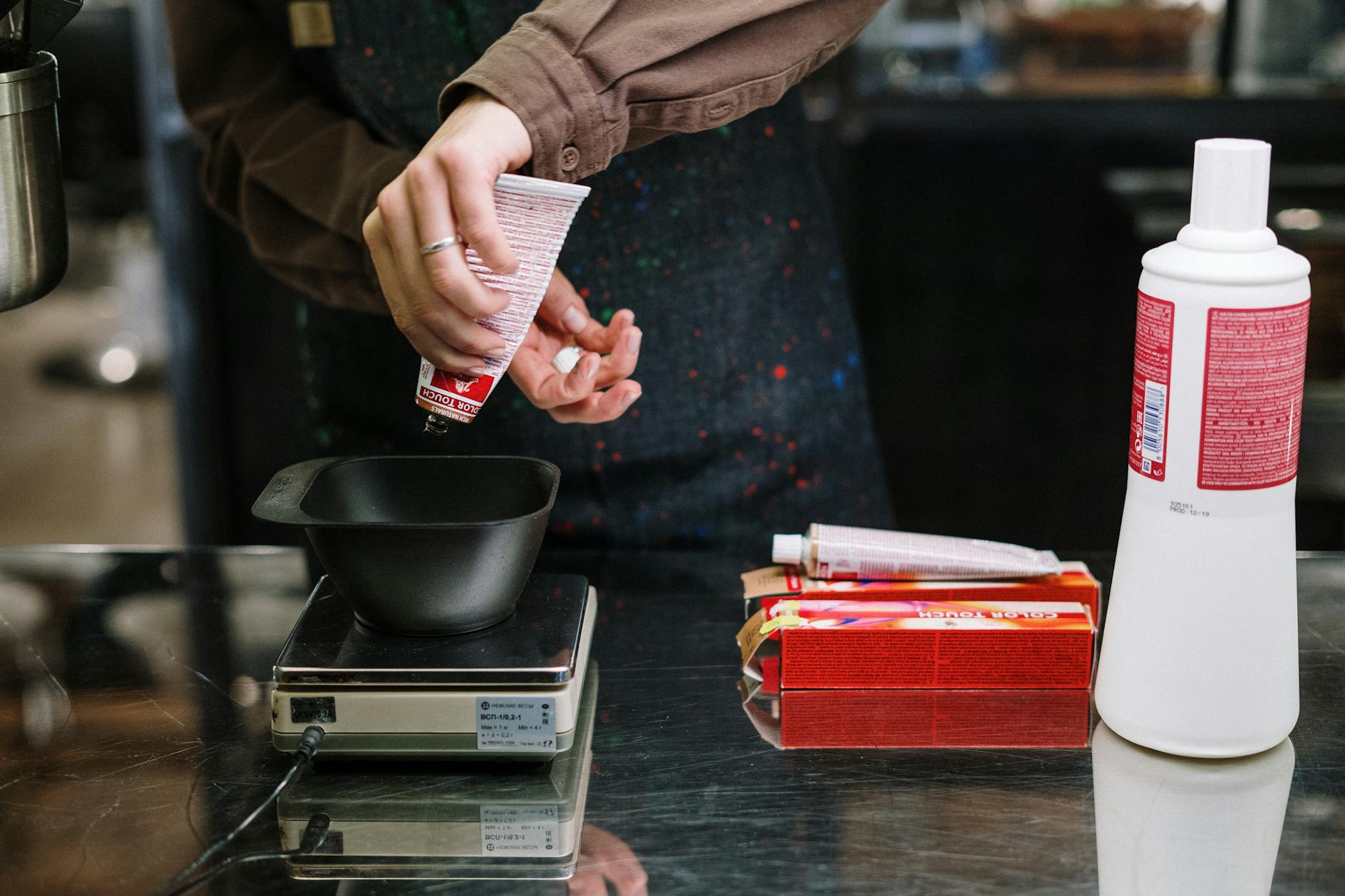
We use performance-focused products during services; for example, The Salon Project often incorporates Davines care and styling to support shine, manageability, and long-lasting finish without heavy residue.
Services, timing, and pricing in the salon world
Service menus reflect time, materials, and expertise. Pricing varies by hair length, density, and desired change. Expect a clear quote after consultation.- Haircut: 45–75 minutes depending on length and detail.
- Blowout/style: 30–60 minutes, longer for extra-long or very dense hair.
- Partial highlights: 2–3 hours; full highlights or balayage can run 3–4+ hours.
- Single-process color (roots): 1.5–2 hours; add 30–45 minutes for a gloss.
- Color correction: Highly variable; often split into multiple sessions to protect hair health.
How to read a price menu
- Base vs. add-ons: A highlight service may not include a gloss, bond builder, or extra bowls for very dense hair. Ask what’s included.
- Stylist levels: Senior/lead stylists usually cost more due to speed, accuracy, and advanced technique.
- Time-based pricing: Some salons price by time. Bring photos so the estimate reflects the true scope.
Note: For finishing, lightweight stylers from Davines (such as the More Inside range) can add definition without crunch. If you love how your hair feels after a service, ask which products were used—many are available at our salon for at-home care.
Featured Brand · Davines
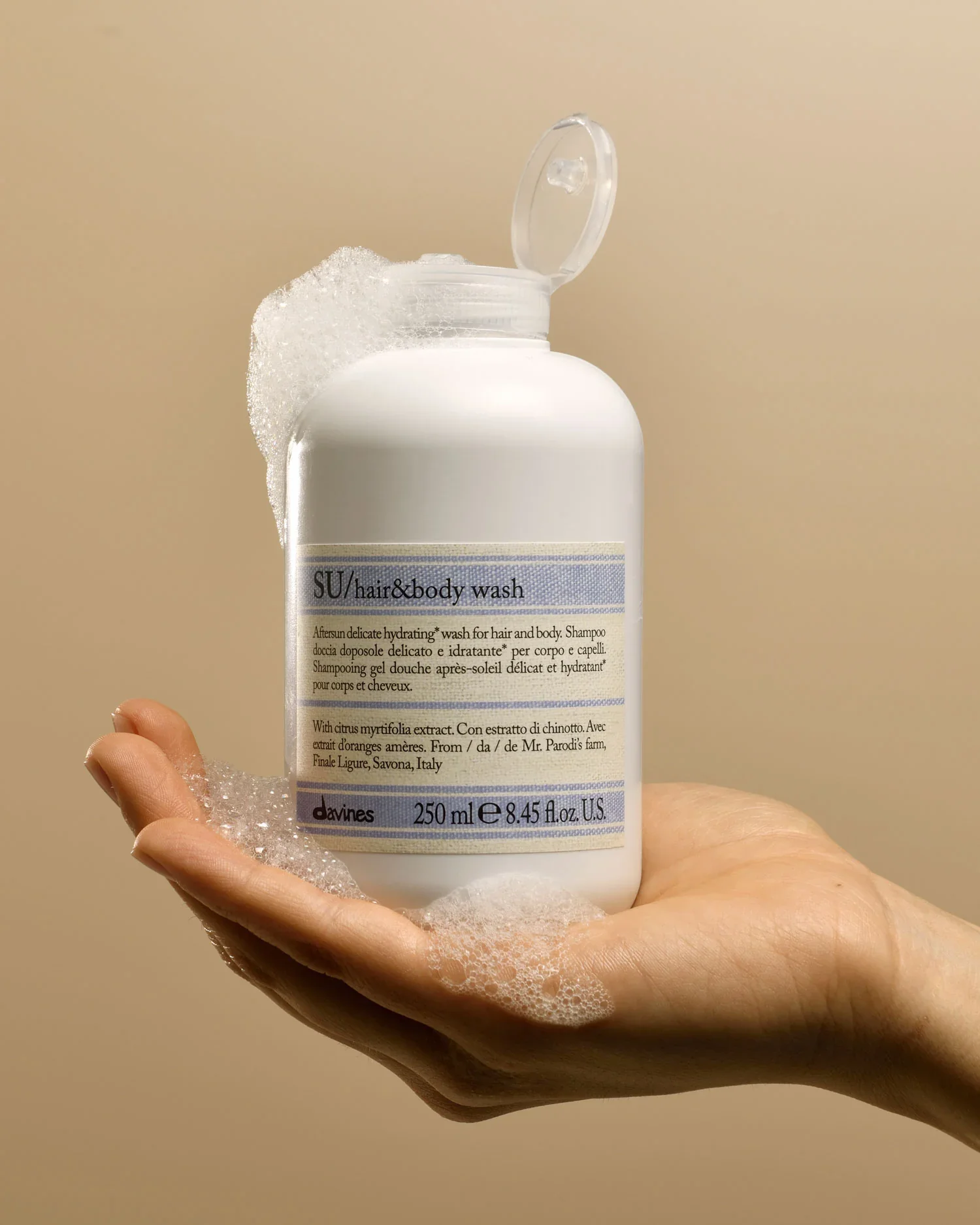
SU Hair & Body Wash Davines
In the salon world, Davines' SU Hair & Body Wash is a quietly useful multitasker — its gentle, pH-balanced formula cleans both hair and skin without stripping, so it works well for quick refreshes, rinses, or post-service care. It stays unobtrusive on the backbar, making it easy for stylists to offer a consistent, low-fuss option to clients who prefer streamlined routines.
Davines is the main beauty brand we use and trust at The Salon Project — shop it in-salon or online.
Shop Davines in-salon or online →
Booking smarter in the salon world
A smart booking strategy matches your goals to the right service length, pro, and maintenance plan.- Start with goals: “I want lower maintenance and more contrast” is more helpful than “just brighter.” Photos narrow the target fast.
- Share your hair history: Color, keratin, henna, mineral buildup—these impact how color lifts and tones. In my experience, honesty here saves time and protects your hair.
- Plan the calendar: If you need event hair, color 1–2 weeks before and a blowout the day-of or day before.
- Mind the rhythm: Root touch-ups are often 4–8 weeks; highlights/balayage 8–16+ weeks depending on desired grow-out.
- Patch and strand tests: Crucial for big changes or sensitivities. When I’m unsure about lift or tone, a strand test prevents surprises.
Trends shaping the salon world in 2026
- Healthy, low-maintenance color: Lived-in highlights, soft melting, and subtle face-frames that grow out gracefully. Research from a 2024 industry survey shows 68% of clients now prioritize longer intervals between color visits.
- Texture-first cutting: Curl-friendly, coily, and wavy techniques that preserve pattern and volume. We tested dry-cutting on curls and found better shape retention over multiple wash days.
- Scalp care: Think gentle exfoliation, pH balance, and lightweight serums to support growth and comfort.
- Sustainable formulas: Refillable, cruelty-free, and responsibly sourced products are moving mainstream. The Salon Project often uses Davines for services, and many clients like options such as Hair Refresher or Hair Serums from Davines for at-home maintenance—available at our salon.
- Finishing minimalism: Touchable hold, heat protection, and frizz control without a stiff finish.
Salon suites, commissions, and independent pros
The salon world includes different business models:- Commission salons: Stylists are employees; the salon handles supplies, booking, and education. Pricing can be tiered by level.
- Booth rental/suites: Independent pros rent space and set their own hours, prices, and product lines. Clients often book directly.
- Hybrid models: A mix of employees and renters in the same space.
- Commission: Consistency, centralized customer service, clear policies.
- Suites/rental: Flexible hours, direct communication with your stylist, varied product offerings.
> Pro Tip > Bring two photos you love and one you don’t. We found that pairing “yes” and “not this” images speeds up consultation and prevents mismatched expectations—especially for tone (warm vs. cool) and layering.
Key Takeaways
- The salon world spans services, pricing, roles, and products—all working together to create healthy, flattering hair.
- Clear consultations, honest hair history, and photos lead to better results and fewer corrections.
- Choose services that match your maintenance reality; face-frames and glosses can refresh without full color.
- Trends favor health, texture, sustainable formulas, and low-maintenance dimension.
- Business model matters less than transparency, education, and a stylist you trust.
Frequently Asked Questions
What does “salon world” actually mean?
It’s the professional ecosystem of hair services, including stylists, colorists, assistants, booking systems, sanitation, education, and products. It covers how services are planned, priced, and delivered—from consultation to finish—and how trends are adapted to real hair types, goals, and maintenance levels.How often should I get a haircut?
Most people benefit from trims every 8–12 weeks to reduce split ends and preserve shape. If you’re growing length, stretch to the longer end; for short shapes or heavy layers, 4–8 weeks keeps lines clean. Curly clients can often go a bit longer, depending on shrinkage and density.What’s the difference between balayage and highlights?
Balayage is hand-painted for soft, sun-kissed dimension with a gentle grow-out. Traditional highlights use foils for precise lift and brighter contrast. Many looks blend both—foils for brightness around the face and balayage elsewhere—followed by a gloss to refine tone and add shine.Are salon suites better than commission salons?
“Better” depends on your priorities. Suites offer direct booking and flexible hours; commission salons centralize service and education. What matters most is transparency—clear pricing, realistic maintenance plans, and a stylist who communicates. In our experience, those factors drive results more than the business setup.Which products do pros actually use during services?
Pros select products that balance performance and hair health. At The Salon Project, we frequently use Davines during services for care, tone support, and finishing. Many clients also like lightweight stylers or Hair Serums from Davines for at-home upkeep—available at our salon.