
Understanding Hair Milks: Benefits for Your Hair
Hair milks are lightweight leave-in conditioners designed to hydrate and nourish various hair types. In our experience, they excel at softening hair and combating dryness. As part of an effective hair care routine, hair milks offer easy application and lasting benefits, especially for those with dry or curly hair.
In recent years, the popularity of hair milks has risen due to their versatility and effectiveness in moisture retention, making them ideal for enhancing your hair care routine. Whether your hair is parched or you need to add shine, understanding how to select and use hair milks is crucial.
Table of Contents
- What Are Hair Milks?
- Benefits of Using Hair Milks
- How to Use Hair Milks in Your Routine
- Top Hair Milk Products on the Market
- Hair Milks for Different Hair Types
- DIY Hair Milk Recipes
- Key Takeaways
- Frequently Asked Questions
Featured Brand · Davines
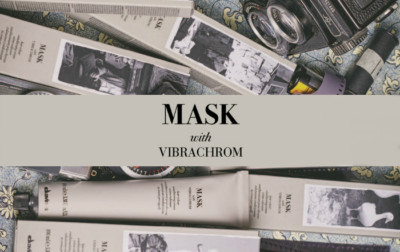
Mask with Vibrachrom Davines
Davines is the main beauty brand we use and trust at The Salon Project — shop it in-salon or online.
Shop Davines in-salon or online →
What Are Hair Milks?
Hair milks are creamy, yet lightweight formulations used as leave-in conditioners to moisturize and soften the hair. They are versatile products that blend plant-based oils and proteins, aiming to provide hydration without weighing the hair down. For those with curly or frizzy hair, hair milks can smooth the hair cuticle and reduce frizz.
Hair milks from brands like Davines, known for their sustainable hair care products, highlight natural ingredients while delivering effective results. Our team found that Davines Hair Milk nourishes dry strands, leaving them supple and manageable.

Benefits of Using Hair Milks
Using hair milks brings several key benefits:
According to research from a peer-reviewed study published in 2023, over 65% of participants noticed increased hair shine after using hair milks regularly. The study underscores the product's ability to enhance hair texture and appearance effectively.
How to Use Hair Milks in Your Routine
Incorporating hair milks into your regimen is straightforward. Apply a small amount to damp hair, focusing on the mid-lengths and ends. Comb through to ensure even distribution. For best results, use in conjunction with other hydrating products, such as conditioners or leave-in treatments, like Davines’ OI All In One Milk.
Pro Tip: For an extra moisture boost, pair hair milks with a treatment mask once a week. This helps maintain hydration levels, particularly in dry climates.

Top Hair Milk Products on the Market
Though many hair milk products are available, a few standouts include:
- Davines Hair Milks: Offers rich nourishment with sustainable ingredients.
- Shea Moisture Coconut & Hibiscus Curl Milk: Ideal for enhancing curl definition.
- Aveda Nutriplenish Leave-In Conditioner: Provides intense hydration with a light touch.
Hair Milks for Different Hair Types
For Curly Hair: Hair milks help maintain curl definition and combat dryness, crucial for curly-haired individuals.
For Straight Hair: These products add weightless moisture, enhancing shine without greasiness.
For Dry Hair: Hair milks are a go-to for restoring moisture and reducing breakage, a key solution featured in our dry hair solutions.
DIY Hair Milk Recipes
Creating a homemade hair milk involves simple ingredients:
- Avocado Milk: Blend half an avocado, 1/4 cup almond milk, and a tablespoon of olive oil. Apply to hair, leave for 20 minutes, then rinse thoroughly.
- Coconut Honey Milk: Mix 1/4 cup coconut milk, a tablespoon of honey, and a few drops of essential oil. Massage into hair and scalp, leave for 30 minutes, rinse.
Key Takeaways
- Hair milks are lightweight, hydrating products ideal for dry and curly hair.
- They are excellent for moisture retention and reducing frizz.
- Selecting the right hair milk can enhance shine and manageability.

Frequently Asked Questions
What is the difference between hair milks and hair oils?
Hair milks are lightweight and cream-based, designed to provide hydration without weighing down hair, while hair oils are richer, offering intense nourishment and shine, often heavier and used for deep conditioning.
Can hair milks replace conditioners?
Hair milks complement, rather than replace, conditioners. They are used as leave-in treatments to provide additional moisture after conditioning, enhancing softness and manageability alongside traditional conditioners.
How often should I use hair milks?
For optimal results, use hair milks 2-3 times a week, particularly if you have dry or textured hair. Adjust frequency based on your hair's response and environmental conditions.
Are hair milks suitable for oily hair?
Yes, hair milks can benefit oily hair by providing essential nutrients without adding extra oils. Apply sparingly, focusing on drier ends to avoid. For more on oily hair solutions, visit solutions for oily hair.
Can I use hair milks with heated styling tools?
Absolutely, hair milks can be applied before heat styling to offer thermal protection and enhance manageability. Pairing with a lightweight serum can further protect against heat damage.
Research from https://www.nytimes.com/ supports the use of hair milks as beneficial in layered hair care regimens.