
We deliver the second—translating Starry Night blues, Sunflowers golds, and Iris violets into modern, wearable color with pro techniques and clear care plans.
Art draws the eye. Hair color inspired by Van Gogh does the same—when it’s balanced to your undertone, placement, and lifestyle.
Table of Contents
- From Canvas to Color: Translating Van Gogh’s Palette to Hair
- Techniques We Use: Balayage, Hair Painting, and Dimensional Vivids
- Inspiration Gallery: Starry Night Blues, Sunflower Golds, and Iris Violets
- Choosing Your Look: Skin Tone, Undertone, Lifestyle, and Maintenance
- Color Care Plan: Product Picks, Wash Routine, and Refresh Timelines
- Consultation and Pricing: What to Expect at The Salon Project
- Key Takeaways
- Frequently Asked Questions
If you actually want painterly, museum-inspired color, our team designs custom palettes drawn from Van Gogh’s works—translating cobalt, indigo, ochre, and violet into hair that suits your skin and schedule.
We focus on undertones, placement, and a plan to keep vibrancy high without compromising hair health.

From Canvas to Color: Translating Van Gogh’s Palette to Hair
Definition: a color palette is a curated set of shades and tones that harmonize. For hair, a palette blends base, highlight, lowlight, and accent hues that complement your undertone.
- Starry Night: cobalt, indigo, midnight navy, soft starlight silver
- Sunflowers: golden wheat, ochre, amber, soft honey
- Irises: blue-violet, periwinkle, lilac, muted charcoal root
- Wheatfield: muted olive, sage, straw blonde, soft smoke lowlights
Techniques We Use: Balayage, Hair Painting, and Dimensional Vivids
Balayage is a freehand hair-lightening technique that paints surface and mid-lengths for a soft, sun-swept grow-out. Hair painting is a broader term for painting pigment or lightener without foils to control saturation and placement.
Why these techniques work
- Soft edges mirror brushwork. Freehand gradients mimic Van Gogh’s visible strokes.
- Strategic vivids add “accent dabs” (think stars or petals) without committing the entire head.
- Negative space (natural depth left between strokes) keeps the look elegant in office lighting and bold in sunlight.
Typical approaches
- Starry Night Blues: pre-lighten ribbons to pale yellow 9–10, tone to cool base, then paint cobalt/indigo accents over mid-lengths. Silver micro-babylights add “starlight.”
- Sunflower Golds: balayage to level 8–9; glaze with golden wheat and honey; add ochre melt near mid-lengths for warmth and dimension.
- Irises Violets: smoke-root at level 4–5; pre-lighten panels to 9; overlay violet/periwinkle blend with deeper blue-violet at the lowlight seams.
> Pro Tip > Gloss with a translucent topcoat two weeks after your initial service. We tested staggered glossing and found a mid-cycle glaze keeps blues and golds richer 1–2 weeks longer while minimizing over-processing.
Also worth noting: technique culture matters.

Inspiration Gallery: Starry Night Blues, Sunflower Golds, and Iris Violets
Here are mini color “recipes” our team uses to keep looks wearable.
Starry Night Blues (cool undertones)
- Base: smoky root 3–4 for depth
- Lighten: babylights to level 9–10
- Tone: steel-blue base, indigo lowlights, cobalt accents
- Placement: V-shaped painting around face; micro “starlight” silver foils
- Refresh: gloss at 4–6 weeks; accent repaint 8–10 weeks
Sunflower Golds (warm undertones)
- Base: soft amber root 6–7
- Lighten: balayage to level 8–9
- Tone: golden wheat + ochre melt, honey tipping on ends
- Placement: face frame and crown for halo effect
- Refresh: glaze 6–8 weeks; partial balayage 12–16 weeks
Iris Violets (neutral undertones)
- Base: charcoal root 5
- Lighten: panels to 9 with internal shadow
- Tone: blue-violet melt with lilac veil over ends
- Placement: peekaboo panels; subtle money piece
- Refresh: glaze 4–6 weeks; repaint panels 10–12 weeks
Featured Brand · Davines
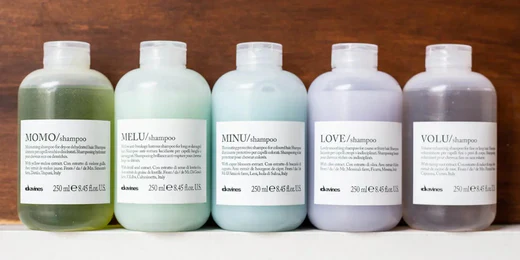
MINU Shampoo Davines
When The Salon Project translates Starry Night blues and Sunflowers golds into wearable color, maintaining pigment and a luminous finish becomes part of the design. MINU Shampoo from Davines gently cleanses while helping extend color vibrancy and lightweight shine, so those painterly tones stay true between salon visits and fit into the maintenance plans stylists recommend.
Davines is the main beauty brand we use and trust at The Salon Project — shop it in-salon or online.
Shop Davines in-salon or online →
Choosing Your Look: Skin Tone, Undertone, Lifestyle, and Maintenance
Undertones guide palette selection:
- Cool undertones: cobalt, indigo, steel, icy silver
- Warm undertones: sunflower gold, ochre, amber, honey
- Neutral undertones: muted sage, olive, lilac, balanced gold
- Vein test: bluish veins often cool; greenish often warm; mixed may be neutral.
- Jewelry test: silver flatters cool; gold flatters warm; both suit neutral.
- Low maintenance: soft wheatfield blonde or sage-lilac peekaboo
- Medium: sunflower melts or subtle indigo ribbons
- High: all-over cobalt or vivid violet panels
If you’re comparing locations, our Manhattan salon guide shares how to pick a salon that fits your routine and aesthetic.
Color Care Plan: Product Picks, Wash Routine, and Refresh Timelines
Research from a peer‑reviewed study shows heat styling can fade color up to 2x faster without thermal protection. Pair palette with routine:
- Wash: cool to lukewarm, 2–3x weekly. For color-treated hair, Davines MINU Shampoo Davines + MINU Conditioner Davines maintain vibrancy without stripping.
- Deep care: MINU Mask Davines every 1–2 weeks to restore shine on blues and golds.
- Tone upkeep: Alchemic Davines (Silver for cool blues; Golden for sunflower tones) between salon visits to keep brassiness in check.
- Hydration: MOMO Serum Davines on damp ends to prevent dulling.
- Gloss: 4–6 weeks
- Accent repaint: 8–12 weeks
- Partial balayage: 12–16 weeks
Consultation and Pricing: What to Expect at The Salon Project
2) We assess hair history, porosity, and goals. 3) Our plan shows levels to lift, tones to apply, and refresh cadence. 4) We quote time and price ranges before mixing.
We tested consults with printed swatches versus on‑screen only; tactile swatches improved tone accuracy, especially for indigo and gold. If you’re new to professional services, our Salon First Visit Guide outlines how to prepare and what to expect.
Pricing varies by starting level, density, and technique complexity. Most painterly palettes fall into multi‑process color with optional glossing. We schedule enough time to keep hair health first.
If you were actually seeking that location, those links help; if your goal is art‑inspired hair, the approach above will get you there.
Key Takeaways
- Freehand techniques—balayage and hair painting—create brush‑stroke dimension with softer grow‑out and easier refreshes.
- Plan upkeep on day one: color‑safe cleansing, heat protection, and scheduled glosses maintain vibrancy and hair health.
Frequently Asked Questions
Will Starry Night blues work on dark hair without damage?
Starting dark is fine with a plan. We lighten in controlled sessions, target a pale yellow base for clean blues, and use bond care between steps. Expect multi‑visit lifts for very dark or previously colored hair to protect integrity while building the palette gradually.How long do sunflower golds or iris violets last?
Glazes generally hold 4–6 weeks, while vivid overlays can look bold for 6–8 weeks depending on wash frequency and heat use. Keeping washes to 2–3 per week and using color‑safe products extends wear. A mid‑cycle gloss refreshes shine without a full repaint.What if I want something subtle for work?
Choose muted palettes: wheatfield blonde with olive lowlights or a soft lilac peekaboo. Placement under the crown or within interior panels gives a professional exterior with movement that shows in daylight or styling. Strategic negative space keeps it refined and versatile.Can I go back to natural later?
Yes. We design exits as carefully as entries. A soft root smudge, lowlight re‑balance, and a neutralizing gloss can transition you back in 1–2 visits. Keeping hair healthy during vivid phases makes returning to natural faster and more predictable.Which products protect color best?
Use sulfate‑free, color‑safe care and heat protection. We recommend Davines MINU Shampoo Davines, MINU Conditioner Davines, and MINU Mask Davines for vibrancy; add Alchemic Davines toning as needed. These are available at our salon so formulas match your exact palette.
Conclusion
By translating Van Gogh’s palettes into undertone‑smart, freehand placement—and backing it with a realistic care plan—you get vivid looks that wear beautifully and grow out softly. With the right technique, product pairing, and refresh timing, painterly color becomes practical day to day.