What Is Hair Color? Essential Guide to Types & Benefits
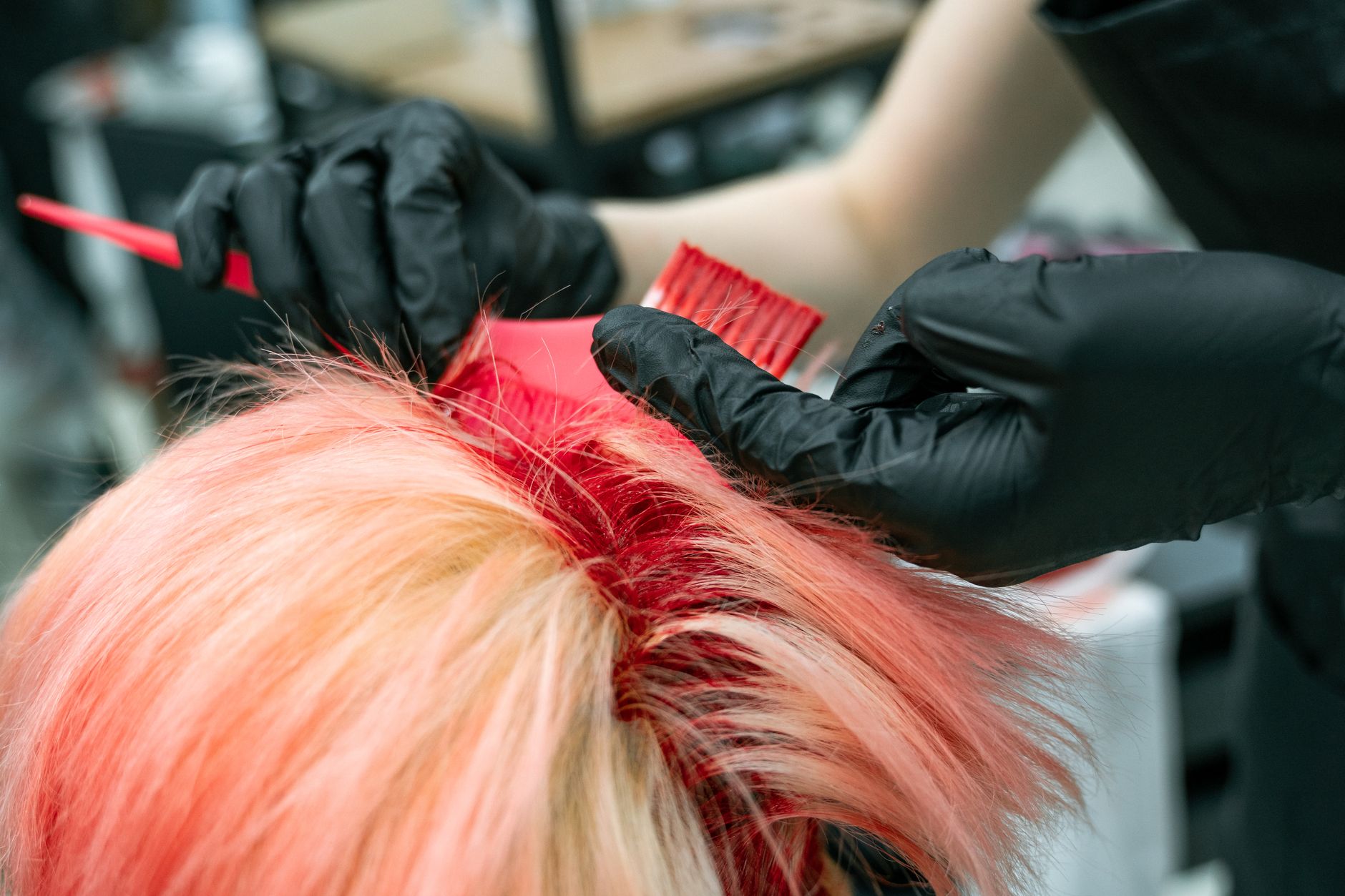
Hair color is a cosmetic product used to alter or enhance the natural color of your hair. It helps individuals express themselves, cover grays, or refresh their overall appearance. Hair coloring involves techniques tailored for temporary or permanent changes, often best handled by professional salons like The Salon Project.
Hair color impacts more than just your appearance—it’s a personal style statement. Whether you’re looking for subtle highlights or a bold transformation, understanding the types, science, and professional benefits ensures you get the best results. Let’s explore the intricacies of hair coloring.
Table of Contents
- What is Hair Color? A Basic Definition
- Types of Hair Color: Temporary, Semi-Permanent, Permanent, and Highlights
- How Hair Color Works: The Science Behind the Transformation
- How to Choose the Right Hair Color for Your Style
- Common Mistakes to Avoid When Coloring Your Hair
- Benefits of Professional Hair Coloring Services
- Key Takeaways
- Frequently Asked Questions
What is Hair Color? A Basic Definition
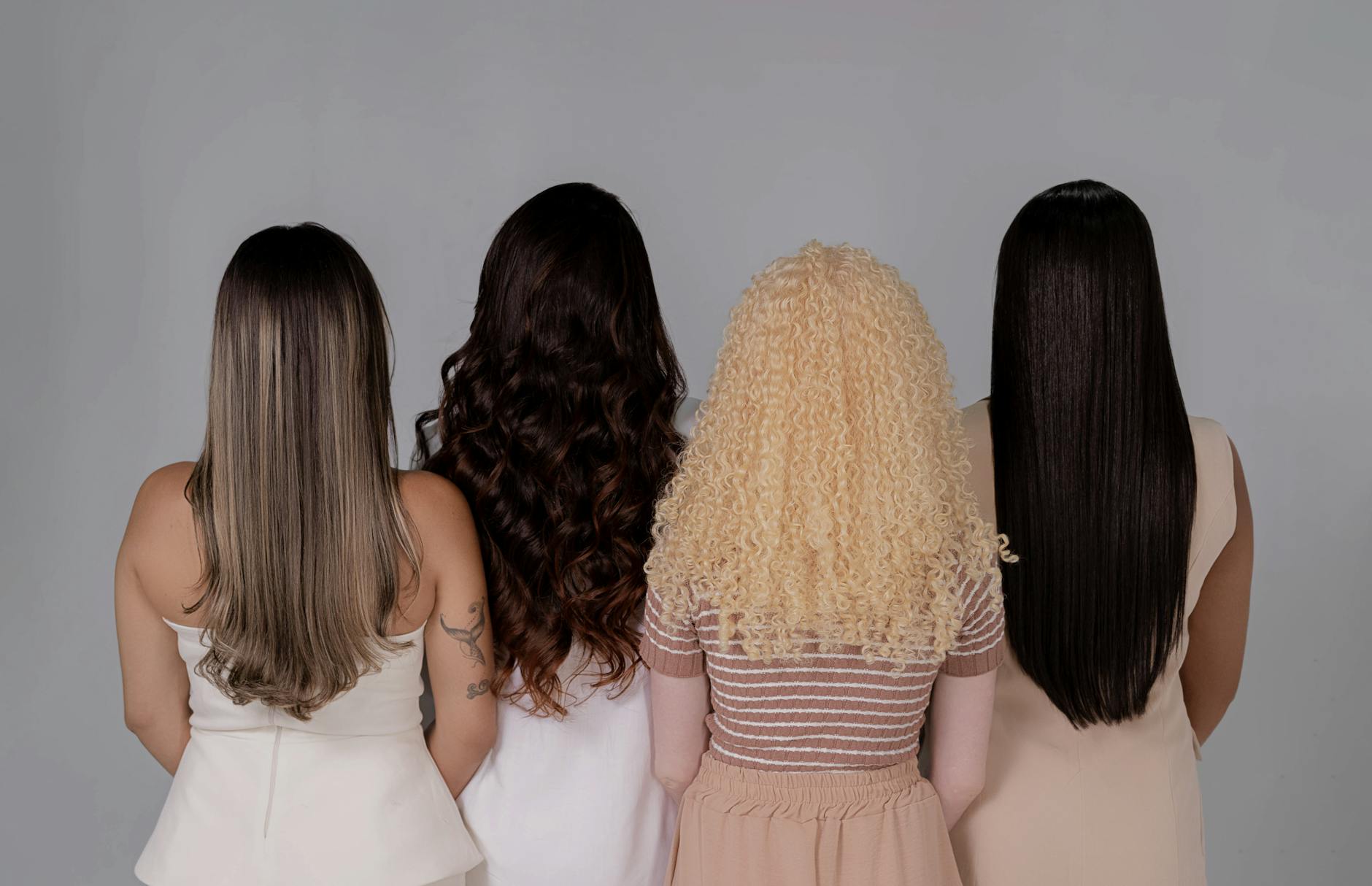
Hair color refers to cosmetic formulas designed to change or enhance the shade, tone, or vibrancy of the hair. It can cover gray strands, create multidimensional highlights, or reinvent someone’s look entirely. The formulations range from natural ingredients for temporary shifts to chemicals for longer-lasting transformations.
In our experience, first-time clients are often overwhelmed by the choices available. That’s why understanding the basics of hair color is essential before sitting in the salon chair.
Types of Hair Color: Temporary, Semi-Permanent, Permanent, and Highlights
Hair color comes in several types, each catering to different needs. Here’s an overview:
- Temporary Hair Color: This washes out after one to two shampoos, making it ideal for short-term experiments or subtle enhancements. Perfect for events.
- Semi-Permanent Hair Color: Lasting about 8–12 washes, it offers less commitment than permanent dyes. It’s often used for blending grays or refreshing faded tones.
- Permanent Hair Color: Contains ammonia and requires a chemical developer for long-lasting results, commonly used for substantial color changes or to cover grays.
- Highlights and Balayage: Techniques designed to add dimension without coloring the entire head, creating depth and light reflection.
How Hair Color Works: The Science Behind the Transformation
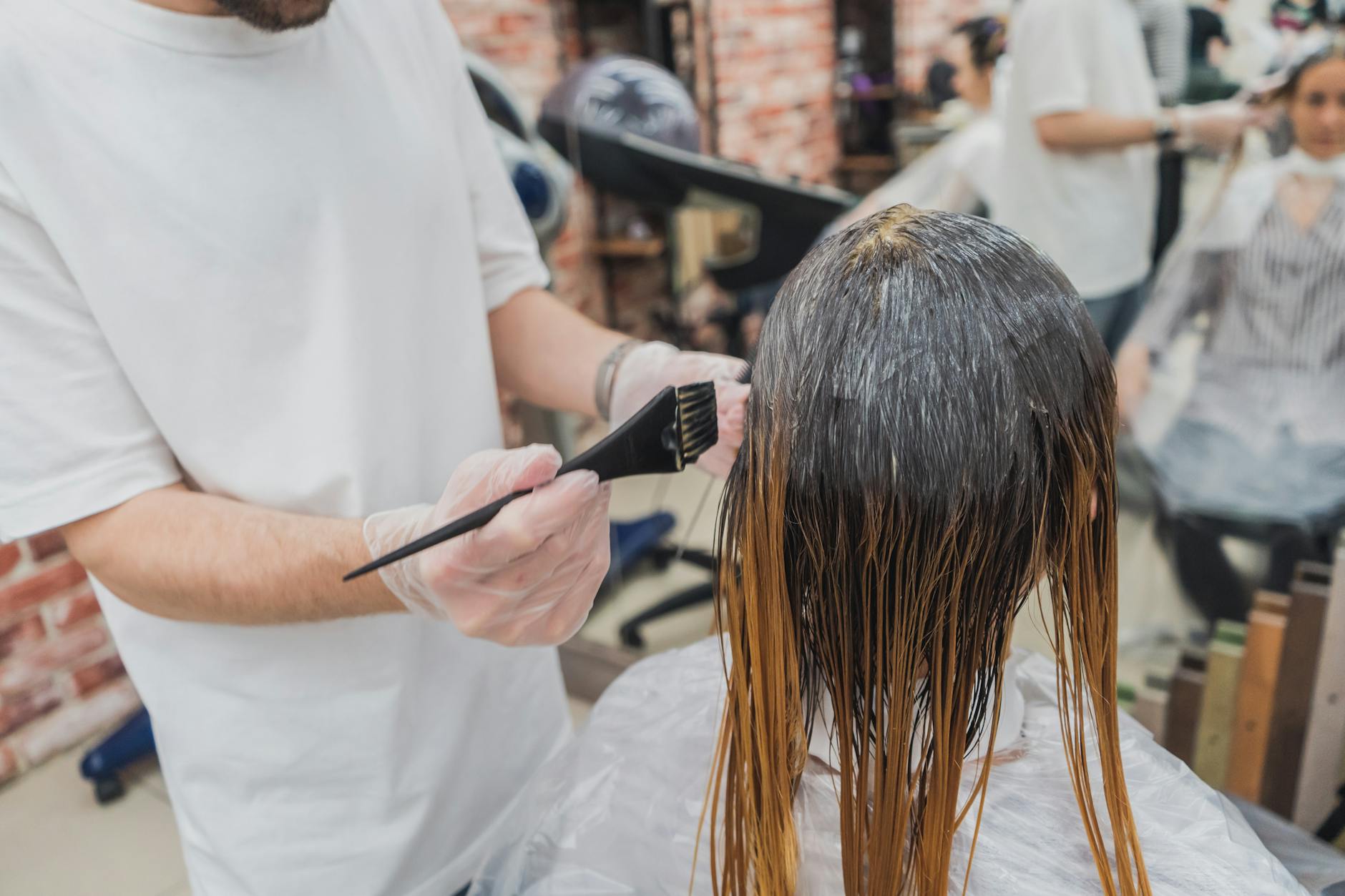
Hair color sticks to the hair shaft or penetrates it, depending on its type. The main chemical players are ammonia, which opens the hair cuticle, and peroxide, which fixes pigment inside. For temporary dyes, only the outer shaft is coated, while permanent options rely on oxidation chemistry.
According to a peer-reviewed study published by Scientific American, hair fiber changes during coloring can weaken strands if overexposed to harsh chemicals. This is why professional handling ensures protection.
Our team found that salons often mix custom formulas for unique needs, minimizing damage while maximizing artistic flair.
How to Choose the Right Hair Color for Your Style
Choosing the best hair color depends on:
In my experience, matching skin tone to hair color delivers transformations that look both natural and stunning.
For those visiting salons, consultation sessions help refine these decisions. Professionals analyze hair texture, color history, and individual preferences.
Common Mistakes to Avoid When Coloring Your Hair
Mistakes are common among DIY hair colorers. Here’s what to watch out for:
- Coloring Too Often: Excessive coloring can weaken hair fibers and alter texture.
- Skipping Patch Tests: Allergic reactions to dye ingredients can cause serious skin irritation.
- Ignoring Developer Ratio: Incorrect measurements can lead to uneven color distribution.
Benefits of Professional Hair Coloring Services
Here’s why salon services like The Salon Project excel at hair coloring:
- Personalized Consultation: Professionals tailor color solutions to fit your hair type, tone, and expectations.
- High-Quality Products: Salons utilize premium dyes that last longer and protect hair health.
- Expert Application: Trained stylists ensure precision, reducing the risk of errors like uneven patches.
> Pro Tip: Our team recommends asking stylists about ammonia-free options and olaplex treatments to minimize damage during your hair coloring session.
Key Takeaways
- Hair color is a versatile cosmetic tool for enhancing your look or covering grays.
- Options include temporary, semi-permanent, permanent dyes, and color techniques like balayage.
- Understanding hair color formulas helps minimize common mistakes and damage.
- Opting for professional services ensures precision, safety, and personalized outcomes.
Frequently Asked Questions
What is hair color used for?
Hair color is used to change, enhance, or neutralize the natural hue of your hair. It can cover grays, add dimension with highlights, or create bold transformations based on personal preference.
How long does hair color last?
The duration depends on the type of dye. Temporary colors last 1–2 washes, semi-permanent dyes fade after 8–12 shampoos, and permanent hair colors can last until the hair grows out or is recolored.
Is professional hair coloring better than DIY?
Yes, salons offer expert application, high-quality formulas, and tailored solutions, minimizing the risks of patchiness, damage, or allergic reactions often seen with DIY methods.
How do I pick the right shade for my hair?
Consider your skin tone, lifestyle, and hair health. Warmer tones complement golden locks, and cooler tones pair well with ash or icy shades. A salon consultation ensures an accurate match.
Can hair color damage my hair?
Yes, overuse or improper application can damage hair fibers, but using salon-grade products and consulting professionals reduces the risk significantly.
---

Conclusion
Hair color is an incredible way to personalize your look, boost confidence, or embrace an entirely new style. From temporary washes to tailored balayage techniques, the options are endless. The science of hair coloring, combined with experienced stylists at The Salon Project, ensures not only great aesthetics but also healthy hair.
Explore tones and techniques that suit your unique style, and let expert colorists deliver precision and vibrancy every time.
---